Pole Building Kits vs. Pole Barn Kits: Which Is Best for You?
About National Steel Buildings Corp Specializing in designing and constructing high-quality steel buildings tailored to meet the needs of various industries. From simple structures to complex facilities, emphasizing durability, flexibility, and cost-efficiency.
Table of Contents
Summary
Pole building kits and pole barn kits represent two variations of post-frame construction that share fundamental principles but differ in terminology, materials, and applications. Both utilize large posts as primary vertical supports anchored deep into the ground, eliminating the need for continuous concrete foundations while creating expansive clear-span interiors. Modern pole building kits feature engineered laminated posts and sophisticated connection systems, while pole barn kits maintain their agricultural heritage despite evolving from round poles to square engineered posts. Material packages range from basic DIY kits starting at $8-15 per square foot to professional-grade systems with comprehensive engineering support. The choice between the two depends on factors including intended use, budget constraints, local building codes, and long-term maintenance considerations. While pole structures offer lower initial costs and design flexibility, engineered steel alternatives provide superior durability, reduced maintenance, and better insurance rates, making the decision ultimately about balancing upfront investment against long-term value.
Understanding the Fundamental Differences
Wood-based post-frame or modern steel building solutions - which matches your specific needs and long-term goals?
What Defines a Pole Building Kit?
A pole building kit represents a complete post-frame construction system where large laminated wooden posts serve as the primary vertical support structure, replacing traditional stud walls[1]. In this construction method, posts are strategically positioned 8-10 feet apart and anchored 4-6 feet deep into the ground, creating exceptional stability against wind and snow loads without requiring a continuous concrete foundation[2]. The engineering behind these structures connects posts to roof trusses and horizontal girts, resulting in expansive open interiors free from load-bearing walls[2]. This design approach delivers significant advantages: larger door and window openings become feasible without costly reinforcement, construction timelines shrink dramatically, and overall project costs decrease compared to conventional stick-frame buildings[2]. Understanding these fundamentals helps property owners evaluate whether wood-based post-frame or modern steel building solutions better match their specific needs and long-term goals.
How Pole Barn Kits Are Characterized
Pole barn kits trace their roots to traditional agricultural construction methods that have undergone substantial modernization. Originally constructed with round telephone poles or tree trunks, today's pole barn kits utilize engineered laminated wood posts or concrete Perma-Columns to ensure structural integrity and longevity[4]. While sharing fundamental construction principles with pole buildings, pole barns maintain their agricultural identity through simplified design approaches tailored for farm and ranch applications. Interestingly, the term 'pole barn' persists throughout the industry even though contemporary structures rarely use actual poles - a testament to the method's enduring legacy[4]. Modern pole barn kits have evolved beyond their utilitarian origins, now accommodating architectural enhancements like brick facades, wainscoting, and decorative entrances that help these structures complement their surroundings[4]. The key distinction between pole barns and standard pole buildings often comes down to post configuration: traditional pole barns featured round posts, while current post-frame construction favors engineered square or rectangular posts and laminated columns for enhanced strength and stability[4].
Regional and Industry Terminology Variations
The terminology surrounding these structures reflects both regional preferences and the construction industry's evolution. The term 'pole barn' emerged during the 1930s agricultural expansion when farmers resourcefully used available telephone poles and tree trunks as vertical supports[5]. Today's construction landscape has transformed dramatically - modern builders employ engineered laminated columns or concrete Perma-Columns, yet the traditional terminology persists due to familiarity and custom[3]. This evolution from round poles to engineered square posts represents a significant advancement in structural engineering and building performance. 'Post-frame building' has gained acceptance as the technically precise term, accurately describing the sophisticated engineering and materials now standard in the industry[5]. In practice, you'll encounter both terms regularly - pole barn remains dominant in agricultural discussions, while post-frame building appears more frequently in commercial and residential contexts[3]. This linguistic divide illustrates how the construction method has expanded far beyond its humble farm origins to encompass diverse applications from retail facilities to custom residences. As building technology continues advancing, including innovations in steel building systems, the terminology continues to evolve while the fundamental principles of post-supported construction remain constant.
Common Applications for Each Kit Type
The versatility of pole building and pole barn kits makes them suitable for numerous applications, each leveraging the unique advantages of post-frame construction. The defining characteristic of both kit types is their open interior design - achieved through strategically placed support posts that eliminate load-bearing interior walls and enable impressive clear spans[6]. This structural approach proves particularly valuable in commercial and agricultural settings where unobstructed space and equipment access are priorities. As we'll explore in detail in the "Making Your Decision" section, specific applications range from residential workshops to commercial warehouses and equestrian facilities, each benefiting from the flexibility and cost-effectiveness these building methods provide.
Comparing Materials and Components
Modern pole barn kits utilize engineered materials for superior strength and longevity.
Standard Inclusions in Pole Building Kits
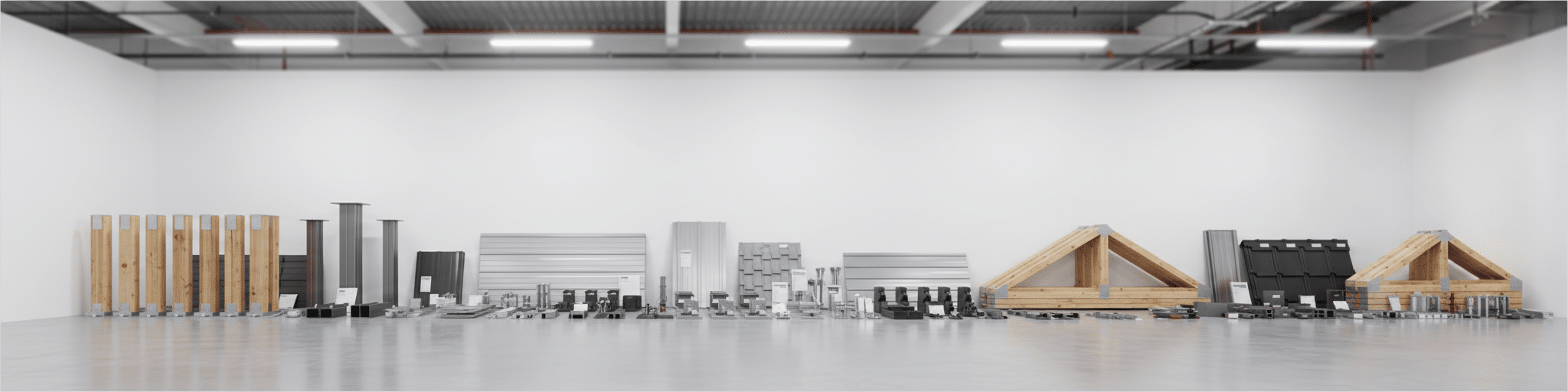
A complete pole building kit includes all essential structural and finishing components needed for construction. The core materials typically include engineered roof trusses, laminated posts or steel columns, metal roofing and siding panels, comprehensive trim packages, and all required fasteners and hardware. These packages come with detailed blueprints and stamped construction plans that guide the building process and ensure permit compliance. For enhanced weather protection and structural integrity, modern kits incorporate features like vapor barriers, insulation systems, and engineered ventilation solutions. Delivery logistics are carefully planned based on project scope - smaller structures typically arrive in single shipments, while larger commercial projects may require phased deliveries to coordinate with construction schedules. The modular nature of these kits allows for extensive customization through additional components like overhead doors, energy-efficient windows, architectural wainscoting, and specialized ventilation systems tailored to specific operational requirements.
Typical Contents of Pole Barn Kit Packages
Modern pole barn kits deliver complete material packages engineered for efficient assembly and long-term performance. While traditional packages include treated wood posts, advanced alternatives now incorporate concrete Perma-Columns or steel posts for enhanced durability. Standard components include all primary and secondary framing members, metal roofing and siding panels, comprehensive trim packages, and premium fastening systems[7]. Quality kits feature detailed construction drawings and step-by-step assembly instructions that simplify the building process for both DIY builders and professional contractors[8]. Beyond basic structural elements, packages often include customization options such as cupolas, porches, wainscoting, and specialized door configurations to meet specific aesthetic and functional requirements[9]. The fastening system deserves particular attention - high-quality stainless steel screws provide superior holding power (700 lbs.) compared to traditional nails (250 lbs.), ensuring long-term structural integrity as wood fibers naturally expand and contract[10].
Material Quality and Engineering Standards
Modern pole building and barn kits must meet stringent engineering standards that ensure structural integrity, safety compliance, and decades of reliable service. Today's advanced structural systems utilize engineered connection methods that far exceed traditional construction - high-strength bolted connections and specialized screws deliver holding power measured in hundreds of pounds per fastener. The evolution from basic wooden posts to engineered solutions represents a fundamental shift in building science. Contemporary options include multi-ply laminated columns, concrete-steel hybrid systems, and fully steel-framed alternatives that eliminate the vulnerabilities of traditional wood construction. Steel panel technology has similarly advanced, with premium systems featuring deeper corrugation profiles and heavier gauge materials that provide superior spanning capability and weather resistance. The distinction between economy 29-gauge panels and commercial-grade 26-gauge steel translates directly to wind resistance, hail impact ratings, and overall building lifespan. These engineering advances enable modern post-frame structures to achieve remarkable clear spans - creating vast, column-free interiors ideal for commercial and industrial applications while meeting or exceeding all relevant building codes.
Customization Options and Flexibility
The inherent flexibility of post-frame construction enables extensive customization across diverse applications, from simple storage to sophisticated commercial facilities. As detailed in the Common Applications section, these structures excel in residential, commercial, and agricultural settings - but the material and component selection dramatically impacts their functionality. Modern kits can be tailored through strategic component choices: insulated panel systems for climate-controlled environments, translucent panels for natural daylighting, and specialized door systems ranging from agricultural sliders to commercial overhead options. The structural framework itself offers customization through column spacing adjustments, eave height variations, and roof pitch modifications to accommodate specific operational needs or aesthetic preferences. Architectural enhancements transform utilitarian structures into visually appealing buildings through elements like stone wainscoting, architectural trim packages, and designer color schemes. This component-level customization, combined with the open-span interior design inherent to post-frame construction, creates buildings that adapt to evolving needs rather than constraining operations to fit the structure.
Cost Considerations and Value Analysis
Steel buildings deliver exceptional long-term value through reduced maintenance and insurance costs.
2025 Price Range Comparisons
Basic pole barn kits in 2025 range from $8-15 per square foot for simple shells, while more finished structures can reach $20-30 per square foot when including concrete, insulation, and custom doors. Steel building alternatives typically require a 15% higher initial investment but deliver substantial long-term value through reduced maintenance expenses and insurance premiums that can be 30% lower than traditional pole structures. For common sizes, a 30x40 foot basic pole barn kit starts around $12,000, while a 40x60 foot structure ranges from $20,000-35,000 depending on features and finishing options. The final cost varies significantly based on location, foundation requirements, and customization choices - dirt floors with concrete footings represent the most economical option, while full concrete slabs and enhanced features like wainscoting or specialized doors increase your investment. While pole barns generally offer the lowest initial investment for basic agricultural storage, engineered steel buildings become increasingly cost-competitive when you factor in their 40-year warranties, superior durability, and reduced long-term ownership costs. For those prioritizing long-term value, the slightly higher upfront investment in steel construction pays dividends through decades of reduced maintenance and superior performance.
Factors That Influence Kit Pricing
Several key variables determine pole building and barn kit pricing beyond just square footage. Location significantly impacts costs through local material prices and building code requirements that may necessitate structural upgrades. The level of customization dramatically affects final pricing - adding features like porches, cupolas, and wainscoting can push costs from $20 toward $60 per square foot[12]. Foundation choices create substantial cost variation, with dirt floors and concrete footings representing the most economical option compared to full concrete slabs. Material selections, particularly in structural components, drive price differences - premium 26-gauge steel panels cost more than standard 29-gauge options, while engineered laminated posts command higher prices than basic treated lumber. Building size influences per-square-foot costs, with structures exceeding 60 feet in width typically seeing increased rates due to additional engineering requirements[16]. The choice between DIY installation versus professional construction crews can swing total project costs by 15-30%, though this decision also impacts warranty coverage and long-term reliability.
Long-term Durability and Maintenance Costs
Pole buildings and barns typically last 40-60 years with proper maintenance, while steel buildings can exceed 50 years with minimal upkeep[17]. The durability difference stems largely from material choices - wood framing in pole structures requires periodic inspection and maintenance to prevent rot, pest damage, and structural shifting. Steel buildings command about 15% higher upfront costs but deliver exceptional long-term savings through 30% lower insurance premiums and dramatically reduced maintenance needs[14]. The foundation design also impacts longevity - pole barn posts buried in the ground can shift over time and require periodic straightening, while steel buildings' engineered foundations provide superior stability. Weather resistance varies notably between the two - pole barns' screw/nail connections make achieving complete weatherproofing challenging, while steel buildings' bolted connections create a fully sealed envelope. For pole structures, maintenance tasks include regular wood treatment, pest control, and structural inspections to catch issues early. Steel buildings' non-combustible construction eliminates many of these maintenance requirements while providing enhanced protection against fire, weather, and pests.
Financing Options and Return on Investment
Several financing options make pole buildings and barns more accessible to buyers. Personal loans offer quick approval with fixed rates but may have higher interest costs since they don't require collateral. Home equity loans leverage property value to secure lower rates and larger amounts, though they put the home at risk if payments are missed. Construction loans, while harder to qualify for, provide staged funding specifically for building projects and typically offer competitive rates[20]. The investment potential varies by structure type and usage. Steel buildings command 15% higher upfront costs but deliver exceptional long-term value through 30% lower insurance premiums due to their fire resistance and superior durability[21]. For resale value, engineered structures with concrete slabs and proper permits increase property appraisals and simplify financing, while unpermitted agricultural barns or dirt-floor buildings add limited value[21]. Basic pole barns range from $5,000-$30,000, with 30x40-foot structures typically costing $10,000-$15,000 for basic construction[20]. Financing terms generally span 5-30 years for home equity loans, with shorter periods for personal loans. Some agricultural buildings may qualify for government-backed financing programs, though availability varies by location[20].
Installation Process and Requirements
Professional installation ensures code compliance, structural integrity, and long-term building performance.
DIY Feasibility Assessment for Each Kit Type
The feasibility of DIY installation varies significantly between different building kit types. Basic retail kits often require you to supply your own tools and labor while providing pre-packaged materials, but these frequently lack crucial engineering specifications and may use lower-grade materials that compromise structural integrity[22]. Professional-grade material packages offer more comprehensive support, including detailed blueprints, construction plans, and technical consultation options during installation. The DIY approach demands significant expertise in proper foundation work and structural assembly, as discussed in our earlier sections on building fundamentals. Critical components like the fastening system require particular attention - high-quality screws provide superior holding power essential for long-term structural stability. For buildings incorporating steel components, the complexity increases substantially as they require precise connections to prevent warping and corrosion at critical load points[24]. Modern steel building systems, like our engineered solutions, offer superior strength and longevity but demand professional installation for optimal results.
Necessary Tools, Equipment, and Skills
Building any post-frame or steel structure requires both standard construction equipment and specialized tools. Essential power tools include circular saws, drills, impact drivers, and precision levels, while foundation work demands post hole diggers, concrete mixing equipment, and proper grading tools[25]. Heavy equipment needs typically include forklifts or aerial lifts for safely installing trusses and roofing materials - equipment that requires certification and experience to operate safely[26]. The fastening system demands specific hardware, with high-quality stainless steel screws providing the superior holding power essential for structural integrity. Beyond tools, successful construction requires physical capability for foundation work, material handling, and comfort working at heights. While building kits simplify the process by providing pre-cut materials and detailed instructions, builders still need competency in reading construction plans, understanding structural principles, and operating heavy equipment safely. For modern steel buildings, additional specialized tools may be required for handling steel components, ensuring proper connections, and maintaining the precision that steel construction demands. This tool requirement underscores why professional installation often delivers superior results and long-term value.
Professional Installation Considerations
Professional installation offers substantial advantages over DIY construction for any building project. While DIY options exist, professional crews bring expertise that ensures code compliance, structural integrity, and proper site preparation through comprehensive initial consultations that evaluate soil conditions, drainage requirements, and site accessibility[27]. The expertise gap becomes particularly critical for structures exceeding 3,000 square feet, where professional installation is essential to maintain quality standards and safety[28]. Experienced builders provide crucial engineering specifications and comprehensive support throughout the construction process, including detailed blueprints and continuous quality control. Though professional installation requires greater initial investment, it delivers superior long-term value through enhanced building durability, proper foundation work, and guaranteed adherence to local building codes - especially critical in regions with challenging weather conditions. Professional crews typically complete smaller structures in 3-5 days compared to 2-3 weeks or more for DIY projects, while maintaining the quality standards that translate to extended building lifespan and reduced maintenance needs[28]. This efficiency and expertise become even more valuable with engineered steel buildings, where precision and proper installation techniques directly impact the structure's performance and longevity.
Timeline Expectations from Purchase to Completion
The complete timeline from purchase to completion typically spans 18-24 weeks, with variations based on project complexity and local regulations[30]. The process begins with a 2-4 week initial consultation and contracting phase, where buyers work with project consultants to finalize design specifications and establish project parameters. Design and permitting requires 4-8 weeks as engineers develop construction drawings and obtain necessary approvals - a critical phase that ensures your building meets all structural and code requirements. Site preparation takes 1-2 weeks to establish proper drainage and level the building area, creating the foundation for a successful project. The actual construction phase varies by building size and complexity, with professional crews typically completing a 40x100 foot structure in 5-7 days when properly staffed[31]. DIY builders should expect significantly longer timelines - what professionals complete in days often takes weeks or months for inexperienced builders. Material delivery typically requires 3-4 weeks lead time, though engineered steel components often have more predictable delivery schedules than custom wood specifications. Weather can impact schedules, but experienced crews can work through various conditions with proper protection measures and planning. The final inspection and completion phase requires 1-2 weeks for thorough quality checks, official inspections, and customer walkthroughs to ensure complete satisfaction with the finished structure.
Making Your Decision: Matching Kits to Projects
Match your building kit selection to specific project requirements and long-term goals.
Residential vs. Agricultural vs. Commercial Needs
As detailed in earlier sections, pole building and barn kits serve diverse applications across residential, commercial, and agricultural sectors. The key to selecting the right kit lies in matching the construction method to your specific project requirements and long-term goals.
For basic storage and agricultural applications where budget is the primary concern, traditional pole barn kits provide adequate functionality. However, when considering factors like durability, maintenance requirements, and insurance costs, engineered metal structures often prove more cost-effective over time. Steel buildings particularly excel in commercial and industrial applications where fire resistance, pest immunity, and structural longevity are critical factors.
The decision ultimately depends on balancing upfront costs against long-term value. While pole buildings offer lower initial investment and design flexibility for simple structures, steel alternatives provide superior durability, minimal maintenance requirements, and better insurance rates that often justify the additional upfront investment.
Climate and Geographic Considerations
Geographic location and climate conditions significantly impact your building kit selection. In cold climates, structures must handle substantial snow loads while maintaining interior warmth through proper insulation and ventilation systems[33]. Hot climate installations require heat management features, including reflective roofing materials and strategic ventilation placement to prevent stifling interior conditions.
For areas with high humidity and rainfall, moisture protection becomes critical. Buildings must incorporate proper drainage systems and moisture-resistant materials to prevent water damage, mold, and mildew growth. Wind exposure demands particular attention - while pole structures can be engineered to withstand moderate wind conditions through reinforced connections, they're not recommended for hurricane zones or areas experiencing extreme wind events[34].
The foundation approach varies significantly by region and soil conditions. Traditional pole barns use posts buried deep into the ground, but areas with unstable soil may require concrete footings or alternative anchoring methods. Steel buildings on engineered foundations often provide superior stability in challenging soil conditions, though at higher initial cost. This geographic adaptability makes both construction methods viable across diverse locations, but the specific engineering requirements for your area will influence the final cost and complexity of your project.
Building Code and Permit Requirements
Most jurisdictions require building permits for structures over 200 square feet, though requirements vary significantly based on location and intended use[35]. The permit process typically demands detailed construction plans, plot diagrams showing setbacks from property lines, and engineering calculations stamped by a registered professional. Critical specifications needed include ground snow loads, wind speed ratings, soil bearing capacity, and seismic design categories specific to your location.
Local building departments evaluate multiple factors including setback requirements from property lines and existing structures, along with zoning laws that may restrict size, height, and usage. Agricultural structures sometimes qualify for exemptions in farming-zoned areas, though this varies widely by jurisdiction. Understanding these requirements early in your planning process helps avoid costly delays and modifications.
The permit review timeline can extend 6-12 months in some areas, with fees ranging from hundreds to thousands of dollars depending on project scope and location[36]. Multiple inspections throughout construction - including foundation, framing, and final completion - ensure compliance with local codes. Building without required permits risks substantial fines and may force removal or modification of your structure. For maximum protection and peace of mind, all buildings should have plans reviewed by a registered professional engineer or architect, even when not explicitly required by local code[37]. This professional review often identifies potential issues before construction begins, saving time and money in the long run.
Future Expansion and Modification Potential
Post-frame buildings offer exceptional flexibility for future modifications and expansions. The construction method allows owners to add onto existing structures through lean-tos, end additions, or side expansions without compromising structural integrity[38]. When planning for future growth, proper site preparation becomes critical - the initial design should account for drainage patterns, soil conditions, and adequate space around the building to accommodate potential expansions.
The modular nature of these buildings makes them particularly adaptable. Their widely-spaced posts and lack of load-bearing interior walls simplify the integration of new sections[39]. Common expansion projects include converting basic storage spaces into functional workshops, adding office areas to commercial buildings, or extending agricultural structures to accommodate growing equipment inventories or livestock operations.
However, successful expansion requires careful evaluation of existing structural components. Posts, trusses, and roofing materials must be assessed to ensure they can support additional loads. This is where the initial quality of your building kit becomes crucial - structures built with engineered components and proper specifications are far easier to modify than those constructed with minimal standards.
For restoration and modifications, a targeted approach works best. Replacing worn components like roofing panels, siding, doors, and windows while maintaining the core structure allows buildings to evolve with changing needs. This adaptability ensures your initial investment continues delivering value as your requirements grow and change over time.
References
- https://www.diypolebarns.com/learn/pole-barn-framing/
- https://www.wickbuildings.com/blog/pole-building-vs-stick-frame-12-reasons-why-post-frame-construction-wins/
- https://info.fbibuildings.com/blog/pole-barn-vs-post-frame-building
- https://lionbuildings.com/what-is-the-difference-between-a-post-frame-building-and-a-pole-barn/
- https://structuralbuildings.com/pole-building-vs-post-frame-building-whats-the-difference/
- https://www.rhinobldg.com/metal-pole-barns-vs-rhino-steel-buildings
- https://custompolebarnpackages.com/blog/whats-included-in-pole-barn-package/
- https://www.diypolebarns.com/features.php
- https://www.newhollandsupply.com/building-kits/pole-barn-kits
- https://info.fbibuildings.com/blog/pole-barn-kit-materials
- https://www.diypolebarns.com/learn/what-comes-in-a-pole-barn-kit/
- https://info.fbibuildings.com/blog/custom-built-pole-barn-vs-pole-barn-kit
- https://www.getcarports.com/metal-buildings-vs-pole-barns-in-2025-which-is-the-smarter-investment?srsltid=AfmBOop2N9-OpTkrP9Q0RDhXJvDgUpgYeIEMlaKxqTtWh8SoJrSXpzSW
- https://www.buildingsguide.com/build/pole-barn-vs-metal-building/?srsltid=AfmBOooJhLSyJzxDrjQqJgh-hyewAz99Aj_6Y_iUr4OzyZu8szhCZhDm
- https://www.buildingsguide.com/build/pole-barn-vs-metal-building/?srsltid=AfmBOopCLU5JEMP1tMNfHOURTkon9bERB0IVeLDVq9UenD9t4yS0sjAS
- https://www.hansenpolebuildings.com/pole-barn-prices/
- https://www.omni-builders.com/home-tips/pole-barn-vs-metal-building-cost-maintenance-longevity-compared
- https://www.acebuildingservice.com/blog/metal-building-vs-pole-barn
- https://www.buildingsguide.com/build/pole-barn-vs-metal-building/?srsltid=AfmBOooMySFhAJtOQzYqXsXoEenT2Jjin1GNLRX6ltV3Am3WhoRRf9B4
- https://themetalshopllc.com/can-you-finance-a-pole-barn/
- https://matadorstructures.com/blog/pole-barns-are-smart-investment/
- https://info.fbibuildings.com/blog/pole-barn-kits-vs-material-packages
- https://www.extremepolebuildings.net/blog/pole-barn-vs-stick-built/
- https://miracletruss.com/steel-truss-pole-barn-kits-vs-traditional-framing/
- https://cmtcomponents.com/blog/step-by-step-guide-to-building-a-pole-barn/
- https://matadorstructures.com/blog/how-to-build-a-pole-barn/
- https://www.directpolebarns.com/pole-barn-tips/do-it-yourself-vs-professional-installation-which-pole-barn-option-is-best-for-you
- https://www.buildingsguide.com/build/pole-barn-vs-metal-building/?srsltid=AfmBOordFyjEU81lE_hGMczuzdGD_YEX2RiFpKYiw9OoK9q7oinZLEet
- https://www.bestwayportablebuildings.com/blog/diy-pole-barn-kit-vs-hiring-contractor
- https://www.lesterbuildings.com/blogs/first-time-pole-barn-buyers-timeline-what-to-expect/
- https://custompolebarnpackages.com/blog/how-long-does-it-take-to-build-a-pole-barn/
- https://koehnbuildings.com/pole-barn-builders
- https://hilltoppostbuildings.com/blog/climate-considerations-pole-barns/
- https://www.buildingsguide.com/build/pole-barn-vs-metal-building/?srsltid=AfmBOooYbrwr1cWQpsajZcd2Qev8VjKjyziEmXEbpzaXrwBAdOOfVc--
- https://themetalshopllc.com/do-you-need-a-permit-for-a-pole-barn/
- https://www.outbuilders.com/do-pole-barns-require-building-permits/
- https://www.hansenpolebuildings.com/pole-building-faqs/building-codes/
- https://cmtcomponents.com/blog/the-ultimate-guide-to-pole-barn-updates-pole-barn-additions-restorations/
- https://permabilt.com/can-i-expand-my-custom-pole-building-in-the-future/