
A 30×40 metal building delivers 1,200 ft² of unobstructed, reconfigurable space that costs roughly half to own over two decades thanks to steel's immunity to rot, termites and fire, ultra-low 1 % annual maintenance, lower insurance premiums and energy-smart insulation and reflective roofing that slash utility bills. Readers learn how to turn the shell into anything–workshop, retail, mini-factory or storage–then expand it cheaply by specifying load-bearing end walls, standard dimensions and pre-roughed utilities, while clear-span framing lets them add mezzanines or move walls at will. The article demystifies true turnkey pricing ($52k-$106k), maps out tax breaks, off-season savings and DIY GC tactics that can trim 20 %, and pinpoints the small but critical choices–ventilation, fasteners, floor coatings–that separate decades of trouble-free service from expensive surprises. It also shows how to integrate smart sensors for HVAC, lighting and predictive maintenance, vet specialized erectors, lock in single-source suppliers, and protect the investment through systematic warranty inspections. By planning electrical capacity, daylighting and storage systems during design instead of retrofitting later, owners maximize daily productivity, future resale value and sustainability–steel is endlessly recyclable–making the 30×40 metal building a fast, flexible, and financially savvy alternative to conventional construction.
Uncovering the 30×40 Metal Building Advantages
A 30×40 steel building delivers 1,200 square feet of post-free, reconfigurable space that slashes lifetime costs to half of wood or concrete while its clear-span height doubles your usable cubic footage and insurance companies reward its fire, storm and pest resistance with lower premiums.
Space efficiency and flexible layouts
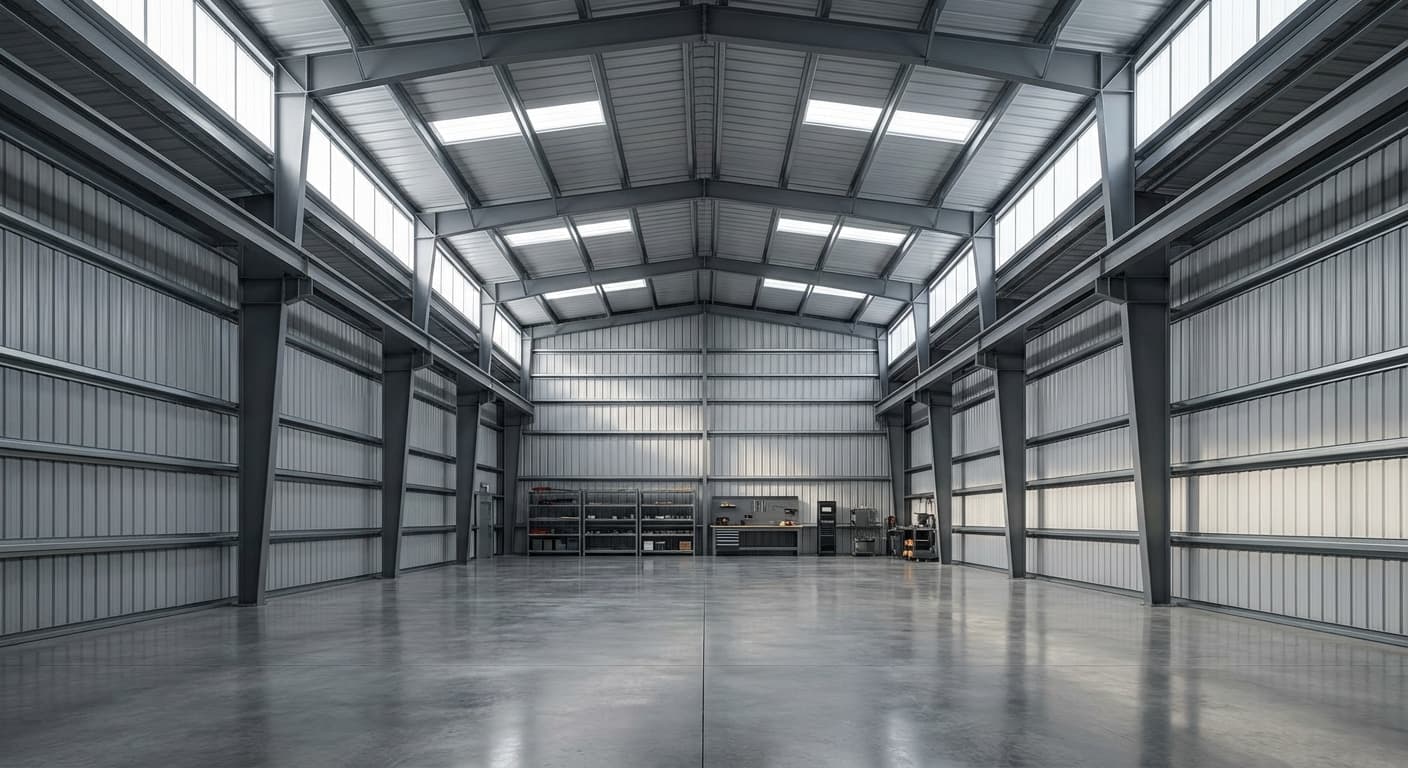
You get 1,200 square feet of completely open floor space with a 30×40 building. No posts. No columns. Just clear workspace where you put equipment exactly where work flows best–not where structural posts dictate.
[2] Need to reconfigure next year? Steel's clear-span design lets you move walls, add partitions, or completely reimagine your layout without touching the building's bones. [2] Most owners miss the vertical opportunity: with eave heights from 12 to 20 feet, you're essentially getting a second story's worth of storage space above your work area. [2] Your options stay open.
Add an office, bathroom, or mezzanine today. Move them tomorrow with modular wall systems. [1] The same building shell works equally well as a workshop, vehicle storage, retail space, or small production facility–your business changes, your building adapts.
Durability that reduces long‑term costs
Steel doesn't rot. It doesn't warp. Termites ignore it. While wood buildings face repair bills up to $30,000 for termite damage alone, your steel building just stands there, doing its job. [5] The numbers tell the real story.
You'll spend about 1% of your building's cost annually on maintenance. Wood or concrete? Plan on 2-4% every year–costs that compound fast over decades. [5] Insurance companies know this too. They charge less to insure steel buildings because they resist fire, storms, and pests better than any other material.
[6] Today's steel is tougher than ever. With 72% now produced in electric arc furnaces, modern steel and its protective coatings stand up to coastal salt air and high humidity without breaking a sweat. [4] Add it up over 20 years: half the total ownership cost of traditional construction, plus resale values that climb 20-30% over that same period. [5] Your accountant will thank you.
Energy performance and sustainability benefits
Your metal roof reflects heat instead of absorbing it. That simple fact drops your cooling bills significantly in summer–add reflective coatings and the savings climb higher. [8] Smart insulation choices multiply those savings. Spray foam and rigid foam don't just insulate better than fiberglass–they seal every air leak, turning your building into an efficient envelope that manages temperature actively, not passively.
[7] Position windows right, orient your building properly, and you'll cut artificial lighting needs too. [9] Sustainability? Steel delivers. Every component can be melted and reformed at end of life without losing strength–no landfill, no waste.
[9] Our buildings arrive pre-cut to exact specifications, which means minimal scrap on your job site compared to traditional stick-built construction. [8] You save money today and leave less mess tomorrow.
Cost‑Effective Solutions Beyond the Basics
Lock in every spec before you order–because choosing a simple 30×40 footprint, acting as your own GC, timing the build for off-peak pricing, and claiming Section 179 can turn a $52k-$106k turnkey reality into a controlled, cost-trimmed project instead of a budget-busting surprise.
Accurate budgeting and hidden savings
The gap between a quoted kit price and what you'll actually spend is where most budgets break down. A 30×40 building kit runs $15,000-$26,000, but the complete turnkey cost lands between $52,000 and $106,000 once you add foundation work ($8,500-$13,500), erection labor, insulation, doors, electrical, and permits. [4] [10] Knowing those layers upfront lets you allocate correctly instead of discovering costs mid-project.
Several decisions made before you order can quietly shrink that number: sticking to a simple rectangular footprint with a standard gable roof cuts engineering and fabrication costs, while ordering during off-peak seasons (early spring or late autumn) often opens up contractor availability and competitive pricing. [10] If you're comfortable managing the project yourself, acting as your own general contractor saves 10-20% in GC fees, and handling interior finishing work personally can trim another $6,000-$12,000 from labor. [10] One often-missed lever is the Section 179 tax deduction–for commercial or agricultural use, your building may qualify for immediate expense deductions that meaningfully reduce your net investment.
[4] Finally, finalizing every specification before the order is placed matters more than it sounds: change orders after manufacturing begins are expensive and cause delays, so decisions made on paper cost nothing while the same decisions made mid-build cost significantly more.
Low‑maintenance design for service excellence
As covered in our durability discussion, steel buildings deliver decades of low-maintenance service–but only if you make smart design choices upfront.
Three decisions matter most: – Ventilation: Ridge vents, wall louvers, or powered systems matched to your humidity levels prevent the condensation that causes corrosion [2] – Fasteners: In coastal areas, salt-resistant hardware eliminates a whole category of future problems [2] – Flooring: Sealed concrete versus bare slab–the difference between easy cleaning and constant maintenance under heavy equipment [2] These aren't expensive add-ons.
They're the difference between a building that runs clean for decades and one that creates recurring headaches.
Single‑source procurement simplifies the project
Multiple vendors mean multiple problems.
Kit supplier, foundation contractor, insulation guy, door vendor–every handoff is another chance for miscommunication, delays, and markups.
Single-source changes everything.
Design Flexibility for Modern Needs
Design your 30×40 steel building like a smart factory–size electrical panels for tomorrow's gear, wire sensors into the open framing, and lock in windows, outlets, and heavy-duty floors now–because retrofitting later costs dollars for every penny you save today.
Customizable interior configurations
Your 30×40 building works harder when you plan beyond the shell. The real customization happens in systems that determine daily operations. Start with electrical capacity–sizing your panel for tomorrow's equipment costs pennies on the dollar compared to retrofitting later. Place outlets where your workflow actually happens, not where they're convenient to install. [2] Natural light cuts operating costs when you position windows and skylights based on your building's orientation and work zones.
Match artificial lighting to your operations–basic fixtures for storage, automated systems for high-traffic areas. [2] Flooring takes more abuse than any other surface. Skip the bare concrete–specify treatments that match your actual use. Light sealers handle basic storage. Heavy-duty coatings withstand equipment traffic and chemical exposure.
The right choice now saves refinishing costs later. [2] As discussed in the space efficiency section, your clear-span design allows unlimited storage configurations. Wall-mounted systems, overhead racks, and properly engineered mezzanines multiply usable space without eating floor area. Plan these during design–not after–so they integrate cleanly with your building's structure.
Integrating technology and smart systems
Steel buildings and smart technology pair naturally. The open framing gives you clean sensor placement, and the simple structure means comprehensive monitoring without complexity. Your best returns come from three areas: HVAC, lighting, and security. Smart HVAC cuts waste by matching ventilation to actual use. Sensors track temperature, humidity, and air quality in real time–then adjust automatically instead of running fixed schedules. You save energy every hour the building runs.
[13] Occupancy sensors trigger lights only where work happens. The data they collect shows which zones get heavy use, helping you optimize equipment placement and workflow. No more lighting empty space. [14] Security goes beyond locks. Access sensors on doors and roof hatches log activity and trigger alerts for unauthorized entry. Environmental sensors catch problems before they get expensive–overheating equipment, moisture buildup, electrical issues that would otherwise surprise you with repair bills.
[13] The predictive maintenance payoff compounds over time. Current sensors spot aging equipment before it fails. Pressure sensors catch leaks while they're small. Wireless protocols work through steel without new cable runs, keeping retrofit costs down and your structure intact.
Future‑proofing with expansion options
Your 30×40 building should grow with your business. The smartest expansion decision happens before you build: specify load-bearing end walls. These engineered walls support future additions, so extending your building means bolting on new frame lines–not rebuilding from scratch. Adding 20 feet becomes a simple project, not a structural overhaul. [15] Standard expansion sizes save money. The industry has optimized around 40×60, 50×100, and 60×120 dimensions.
Stay with these standards and you'll cut fabrication costs by up to 15% compared to custom sizing. Your growth path is predictable and affordable. [15] Inside, your options stay open. The clear-span design covered earlier means today's workshop becomes tomorrow's multi-zone commercial space without touching the shell. No structural limits on how you use the space as your needs change. [16] Make these decisions during design: end wall load ratings, building orientation on your site, utility rough-ins for future zones.
Get them right now, and expansion becomes straightforward. Get them wrong, and you're looking at expensive workarounds later. Bottom line: the decisions that cost nothing during planning save thousands during expansion. Plan for growth, and your building grows with you.
Partnering for a Seamless Build Experience
Demand plain-English updates, documented decisions, and proven prefab-steel credentials before you break ground–because transparent communication and specialized experience turn potential surprises into a seamless build.
Clear communication throughout the build
You shouldn't need a translator to understand your own building project. We establish communication protocols upfront: phone for decisions that need immediate answers, email for documentation you'll reference later, texts for quick status updates. Response times get agreed to before ground breaks, so you're never wondering when you'll hear back. [17] We define industry terms in plain English–what "substantial completion" actually means for your move-in date, how "allowances" affect your budget, why "punch lists" matter to your warranty.
No construction jargon without translation. [17] You get regular updates even when progress isn't photogenic–electrical rough-in might not look impressive, but knowing inspections passed on schedule keeps your project timeline clear. [18] When challenges hit–weather delays, material shortages, unexpected site conditions–you hear about them immediately with our plan to keep moving forward. Transparency beats surprises every time.
[18] Every decision gets documented: written change orders, detailed contracts specifying materials and labor, and a complete project record. When memory and paperwork disagree six months later, you have the documentation to prove what was promised.
Choosing qualified contractors and quality assurance
Metal building erection demands specialized expertise–general construction experience doesn't automatically translate to prefabricated steel systems. Your first question: how many prefabricated steel buildings have you erected? Ask for specific projects matching your size and use case, then call those references. Did they finish on time? Meet code on first inspection? Handle problems professionally?
[20] Verify insurance directly with the carrier–both general liability and workers' compensation. An uninsured contractor's on-site injury becomes your financial problem. [21] Get three detailed quotes that break down materials, labor, and warranties separately. The lowest bid often means corners cut today and repair bills tomorrow. The right quote shows line-item transparency. [20] Local code expertise saves weeks of delays.
Can they pull permits directly? Do they know your jurisdiction's snow loads, wind ratings, and setback requirements? If they're learning your local codes on your dime, you've picked wrong. [20] The best steel erectors stick to what they do best–the building envelope–and partner with licensed specialists for HVAC, electrical, and plumbing.
Post‑construction support and problem‑solving
Your building's handover date isn't the finish line–it's when smart ownership begins. Problems caught in year one cost a fraction of what they'll cost after causing secondary damage. Schedule systematic inspections–don't wait for issues to announce themselves. [22] Your warranty runs one to two years, but it's only as good as your documentation.
Keep inspection records, change orders, and clear assignments of who's responsible for each system. When you need warranty service, paperwork determines whether you get quick resolution or lengthy disputes. [23] You need one warranty contact who knows your project inside out–not a call center that makes you explain your building from scratch every time. They route issues to the right specialist without the runaround.
[24] For your 30×40 metal building, verify three critical systems before warranty expires: ventilation performance, insulation integrity, and fastener condition. The same elements that prevent long-term problems deserve inspection while they're still under warranty coverage.
- Clear-span 30×40 gives 1,200 ft² of post-free, reconfigurable workspace
- Steel maintenance costs ~1 %/yr vs 2-4 % for wood; insurance premiums drop too
- Turnkey price $52-106 k after slab, labor, doors, elec.; Section 179 may deduct fast
- Up-front picks–ridge vents, sealed slab, salt-rated fasteners–stop rust & mold
- Spec load-bearing end walls now to bolt on 20 ft additions later sans rebuild
- Smart sensors in open steel frame cut HVAC/lighting 15-30 % with easy retrofits
- https://www.buildingsguide.com/build/30×40-building-construction/?srsltid=AfmBOoq697mmBYYjQJhe9UsFUvBzmTqBR3HT87JpNh41UZ0eWJEH-r3v
- https://metalbuildingsnorthamerica.com/30×40-metal-building-construction-facts/
- https://bullbuildings.com/30×40-metal-building/
- https://www.steelcobuildings.com/how-much-does-a-30×40-steel-building-cost-in-2026/
- https://www.summitsteelbuildings.com/20-year-cost-comparison
- https://goldtierstructures.com/blogs/news/metal-buildings-vs-traditional-construction-which-is-better?srsltid=AfmBOoqah42wMugyATnHzPgkI8BhBdpD9WqMKwEcOfo2pDuxS19Wt-jv
- https://www.factorysteeloverstock.com/the-importance-of-insulation-in-energy-efficiency-for-steel-buildings/
- https://www.fswest.com/energy-efficiency-of-metal-buildings/
- https://jagmetalsllc.com/blog/why-metal-buildings-are-the-future-of-sustainable-construction/
- https://www.cascadingfallsinc.com/what-do-prefab-metal-building-cost-to-construct
- https://fairview-na.com/single-source-supply/
- https://www.tylerbuilding.com/post/why-buy-direct-from-a-metal-building-manufacturer
- https://www.designcomponents.com/smart-buildings-2-0-integrating-iot-with-steel-building-accessories/
- https://www.iotforall.com/integrated-iot-smart-buildings
- https://bulldogsteelstructures.com/blog/the-ultimate-guide-to-building-a-30×40-metal-structure-costs-design-and-more/
- https://futurebuildings.com/30×40-metal-building.html
- https://shawnvandyke.com/blog/communication-between-contractor-and-client/
- https://www.bgconstructionllc.com/5-tips-for-effective-communication-in-construction-projects
- https://contractorexamschools.com/8-tips-improve-contractor-client-communication-habits/
- https://pbsbuildings.com/choosing-the-right-contractor/
- https://apbuildersusa.com/top-qualities-to-look-for-in-a-reliable-metal-building-contractor/
- https://darbyconstructionservices.com/post-construction-support-ensuring-building-performance-and-client-satisfaction/
- https://blog.constructiononline.com/the-ultimate-guide-to-construction-warranty-management
- https://harkinsbuilders.com/build-with-us/our-approach/warranty/