Why Choose NSB Aviation Buildings?
Steel aviation buildings provide superior strength and durability for aircraft facilities
High Strength
Lightweight steel with high tensile strength meets global industry standards
Fast Construction
Prefabricated components reduce construction time and on-site work
Cost-Effective
Significant cost savings through efficient design and material optimization
Design Flexibility
Combine steel with concrete, glass, brick, and stone for custom aesthetics
Aviation Features
Every aviation can be customized to meet your specific needs
Aircraft hangars
Airport terminals
Airport buildings
Aerospace manufacturing plants
Ground control towers
Aviation pavilions
Aviation display halls
Aviation Information
We’re Experienced With Aviation Hangars
Air travel is an ever-changing industry. Steel is a top-choice material for aviation buildings because of its light weight and high tensile strength. We pre-fabricate steel building components in compliance with global industry standards and local building codes. Elevate your aircraft hangar or airport building with architectural inspiration by combining steel with materials such as precast concrete, glass, brick, stone, and veneers.
Building Aircraft Hangars With Steel
We use sophisticated design technology to prefabricate steel components. That means there’s no cutting, welding or specialized tools required on the job site. Using steel framing and materials significantly cuts down project timeframes, costs, and safety issues. That means you save on materials, insurance, labor, scrap disposal, and more. NSBs offers one streamlined solution from inception to design, manufacturing, delivery and construction. Our engineering and design experts make sure you’re getting the most cost-effective and structurally sound solutions for all your aerospace needs. Whether you have a preferred construction partner or need our support, we can provide any level of on-site assistance you require.
How Much Do Steel Aircraft Hangars Cost?
That’s a difficult question to answer, as it depends on a number of different factors. The location, size, use of the structure, and time of year will all affect the pricing of everything from the steel itself to transportation and construction services. NSB offers significant cost savings to our customers through several methods. With more than 20 years of national experience, we leverage our buying power to secure premium materials at a fraction of the market price. Additionally, our design experts apply value engineering to optimize building details, reducing weight and load considerations to further enhance savings.
Can Aviation Buildings Be Aesthetically Pleasing?
Absolutely! First and foremost, aviation buildings need to be safe, durable, and functional. Steel can meet all of these architectural requirements and more. The high-tech wall and roofing systems available today come in attractive colors and textures, while also providing energy efficiency for precise temperature control. Steel components can be combined with traditional building materials such as stone, brick and glass to create the look and feel that meets your needs.
Perfect For Every Application
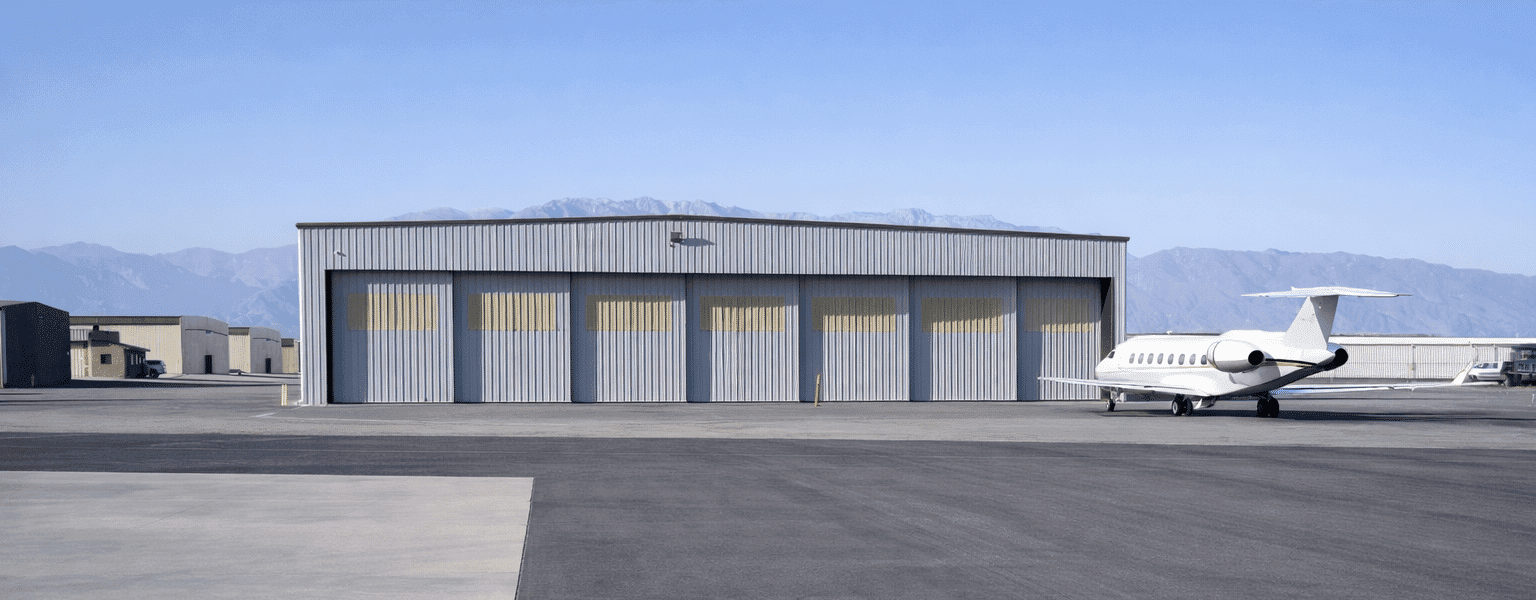
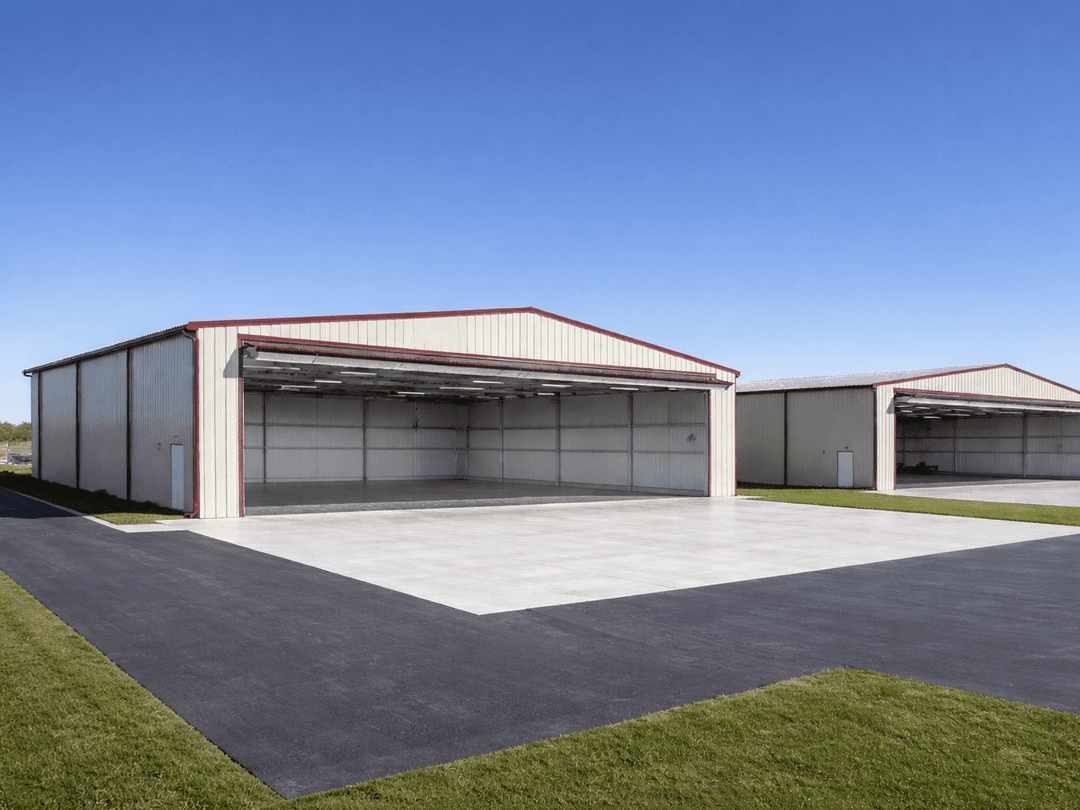
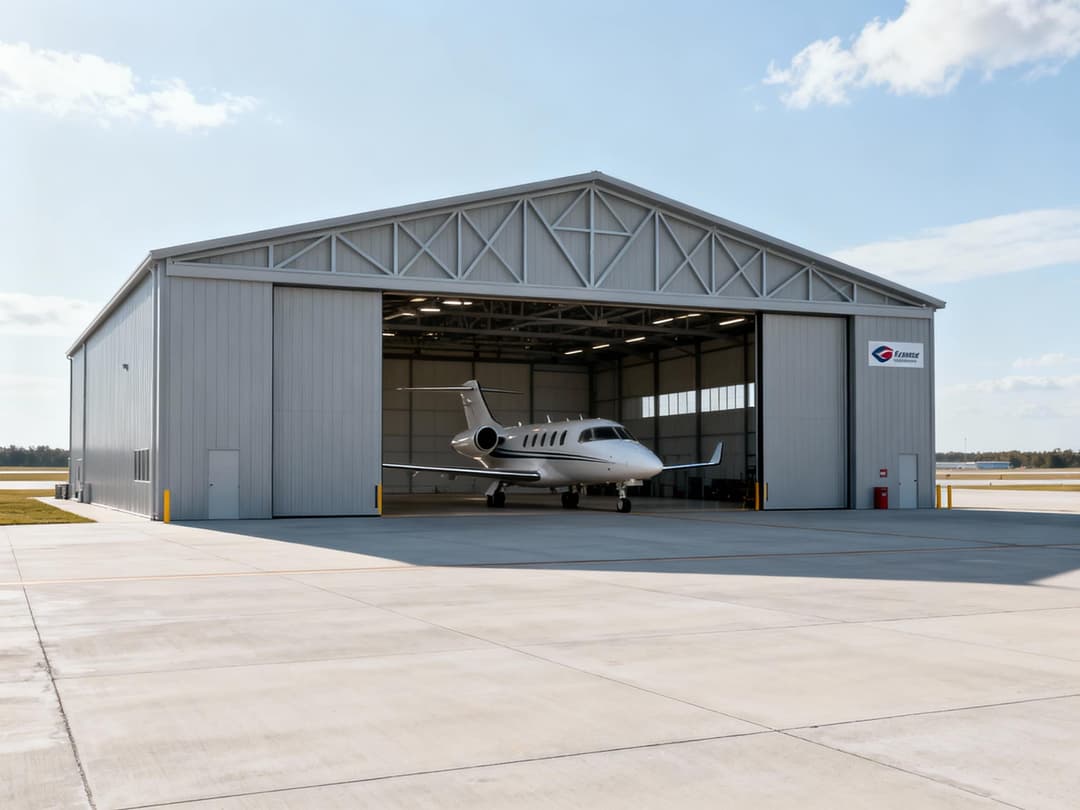
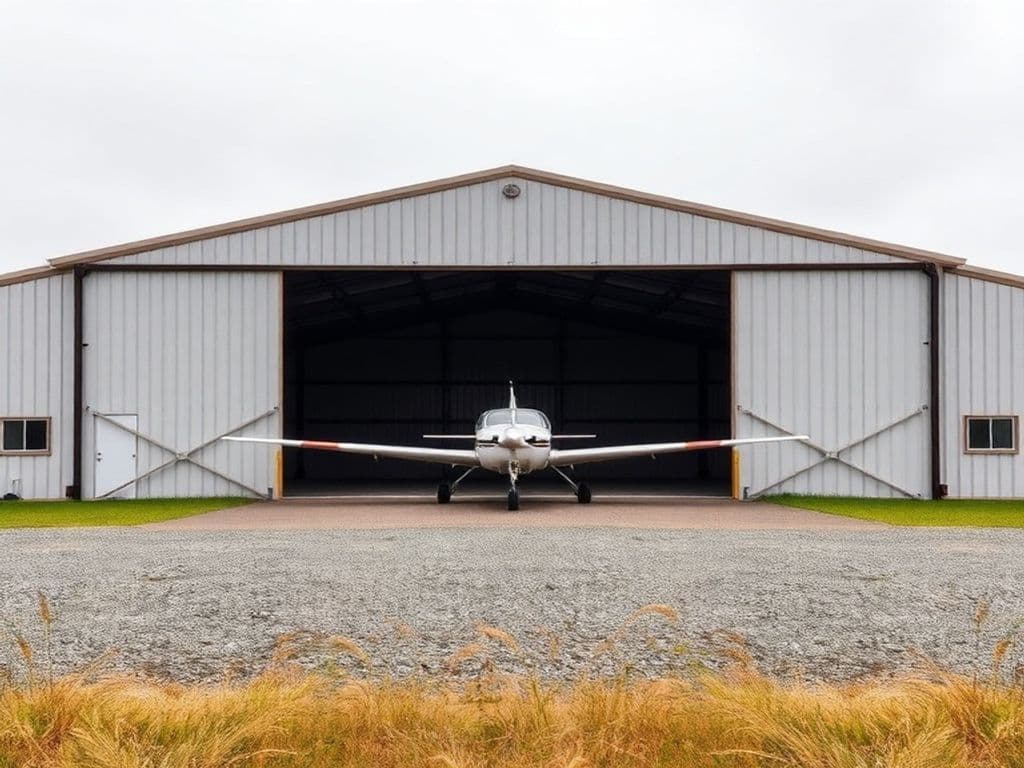
Aircraft Hangars
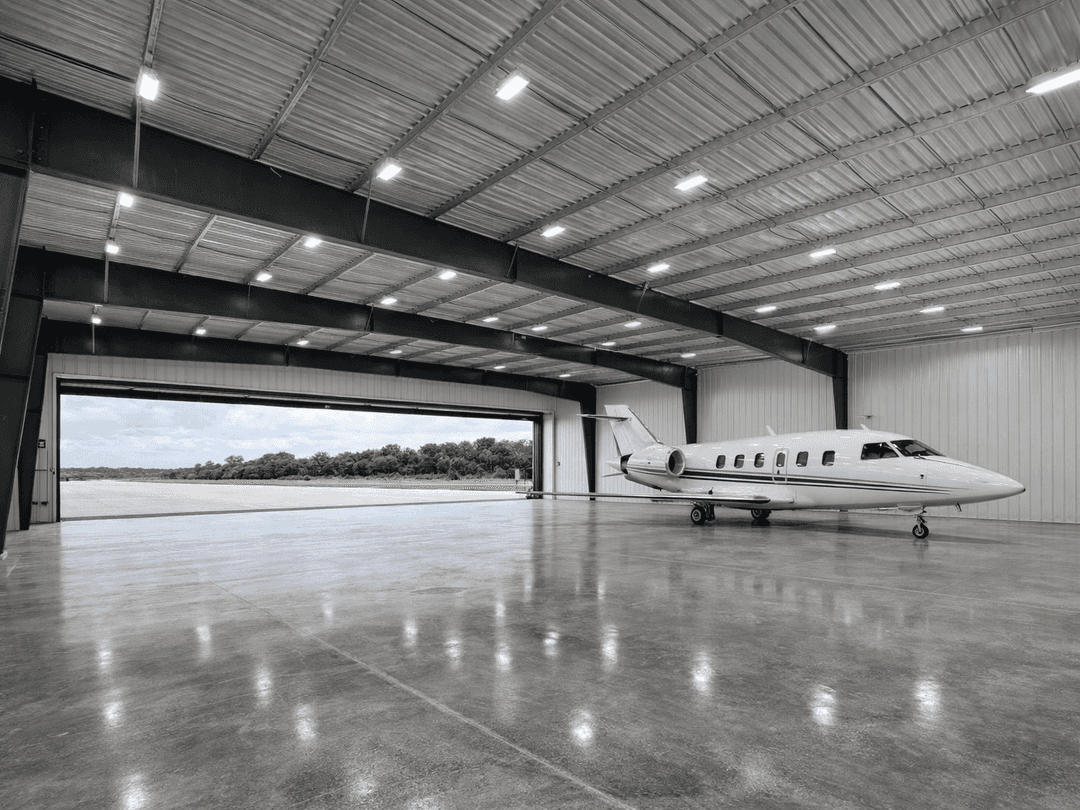
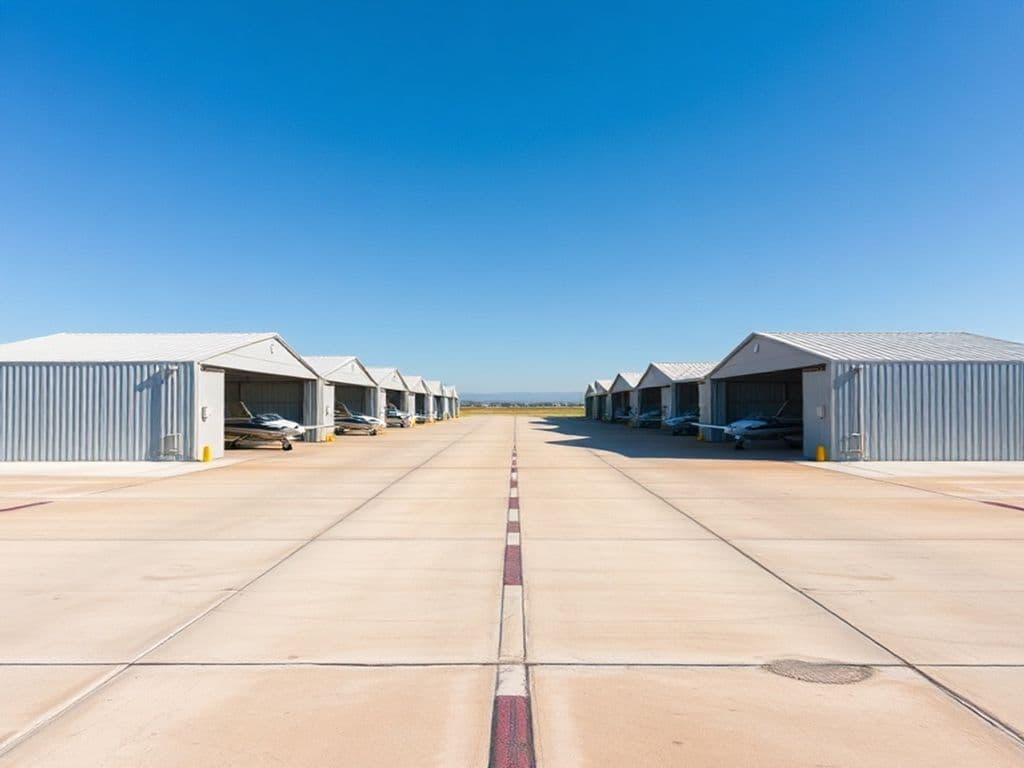
Custom-engineered hangars with clear-span design accommodate aircraft from single-engine planes to wide-body jets, providing secure protection and easy maneuvering space
Airport Facilities
Terminals, FBO buildings, and support structures engineered for high-traffic operations, passenger services, and compliance with strict aviation safety standards.
Aerospace Manufacturing
Precision-built facilities for aircraft assembly, component manufacturing, and testing operations, featuring controlled environments and heavy load-bearing capabilities.
Aviation Building FAQs
- Bolted connections.
- Clear Span Rigid Frame Designs.
- Extensive selection of single-skin and insulated panels.
- All sheets cut to size.
- Zinc Primer (Gray) on Primary Members.
- Hot Dipped Galvanized Secondary Members.
Yes, steel buildings from National Steel Buildings are designed and engineered to meet local building codes and requirements. Our buildings are engineered to comply with the International Building Code (IBC) and are designed to meet specific local requirements including wind loads, snow loads, and seismic requirements based on your building location. We provide all necessary engineering drawings and documentation required for building permits. It’s important to work with your local building department early in the process to ensure all requirements are met. Our team has extensive experience working with building departments across the country and can help guide you through the permitting process.
The construction timeline for a steel building depends on several factors including the size and complexity of the building, site preparation requirements, and weather conditions. Generally, pre-engineered steel buildings can be constructed much faster than traditional buildings. The manufacturing process typically takes 4-8 weeks after order approval, and on-site erection can often be completed in 3-12 weeks depending on the size and complexity of the building. Smaller buildings may be erected in 3-4 weeks, while larger commercial or industrial facilities may take 8-12 weeks. Our experienced erection crews at ProTrades, LLC, an NSB Company, work efficiently to ensure your building is completed on schedule.
The cost of metal buildings varies significantly based on several factors including size, location, design complexity, and additional features. Generally, steel buildings are more cost-effective than traditional construction methods. Factors that influence pricing include building dimensions (width, length, height), wall and trim color selections, insulation requirements, doors and windows, and local building codes. At National Steel Buildings, we offer factory-direct pricing that can save you thousands compared to traditional construction. We recommend using our online quote tool to get an accurate price for your specific building needs.
- Bolted connections.
- Clear Span Rigid Frame Designs.
- Extensive selection of single-skin and insulated panels.
- All sheets cut to size.
- Zinc Primer (Gray) on Primary Members.
- Hot Dipped Galvanized Secondary Members.
Steel buildings are incredibly versatile and can be used for a wide variety of applications. Common uses include agricultural facilities (equipment storage, livestock stables, hay storage), commercial buildings (retail space, corporate headquarters), industrial facilities (warehouses, manufacturing plants), garages and auto repair shops, aviation hangars, boat storage facilities, churches and religious buildings, recreational buildings (gyms, sports facilities, riding arenas), and residential applications (workshops, barns, and even homes). The flexibility of steel building design allows for customization to meet virtually any need, from small personal storage buildings to large commercial and industrial facilities.
National Steel Buildings stands behind the quality of our products and services. We offer comprehensive warranties on our steel building systems. The specific warranty terms depend on the components and materials used in your building. Typically, our steel building systems come with manufacturer warranties covering materials and workmanship. Paint and finish warranties are also included, often ranging from 20 to 40 years depending on the coating system selected. We recommend discussing warranty details with your sales representative during the quoting process to understand the specific warranty coverage for your building. Our commitment to quality and customer satisfaction means we work to resolve any issues that may arise during and after construction.
Steel buildings offer numerous advantages over traditional construction methods. They are highly durable, resistant to fire, pests, and extreme weather conditions. Steel buildings are cost-effective with lower construction costs, reduced insurance premiums, and minimal maintenance expenses. They also feature quick construction times due to pre-engineered designs, meaning faster delivery and installation compared to traditional buildings. Additionally, steel requires minimal upkeep and resists rot, mold, and corrosion for years to come.