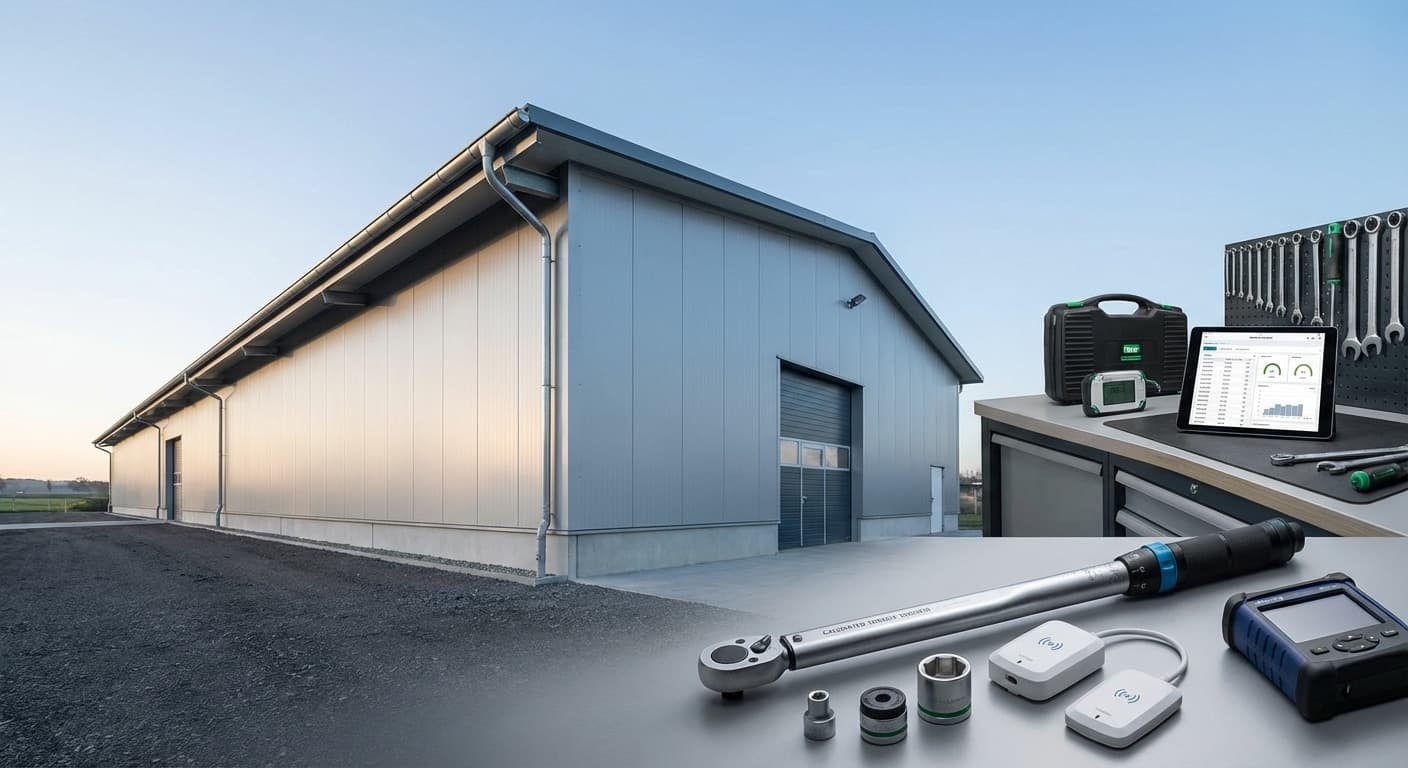

Agricultural steel building maintenance doesn't have to be a calendar-driven grind: this article shows farmers how to skip low-value chores like scheduled interior paint touch-ups, cosmetic pressure-washing, and semi-annual gutter cleanings in tree-free, low-rain zones while still protecting their investment. Instead, it prescribes a twice-yearly, five-zone inspection rhythm focused on the roof's fasteners, flashing, and panel seams, plus quarterly 20-minute walk-throughs that spot trouble before it blooms into costly leaks or structural failures. Readers learn to leverage modern tools–wireless corrosion sensors that last 80 years, solar-powered smart drainage that cuts nitrate loss 50 %, and single-source service contracts–to turn reactive repairs into predictive, data-triggered actions that save 18-25 % on maintenance and extend asset life up to 40 %. By documenting findings in digital logs and calling in pros only for high-risk connection work, owners eliminate guesswork, avoid emergency bills that run 3-9 times higher than planned fixes, and free themselves to farm rather than fight fires.
Essential Foundations of Agricultural Steel Building Maintenance
Catch 80% of steel building problems with two annual inspections plus quarterly 20-minute walk-throughs that focus on fasteners, flashing, and roof seams.
Comprehensive structural inspection checklist for long‑term integrity
Schedule your main inspections twice a year–late spring after the last freeze and fall before winter hits. [1] You'll save time by following the same five-zone sequence every inspection: check safety hazards first (overhead components, moving parts), then component failures, utility connections, interior surfaces, and finally the exterior envelope. [2] That exterior check pays the biggest dividends–you catch environmental damage, coating issues, waterproofing gaps, and panel problems in one pass. [2] Between those main inspections, a 20-minute quarterly walk-through catches the small stuff before it costs you big: loose fasteners, clogged drainage, fresh surface damage. [3] Keep a simple log of what you find and what you fix.
Those notes turn into your roadmap for smart maintenance decisions–you'll spot patterns, track costs, and know exactly when to repair versus replace. [1]
Roof and wall panel health monitoring that matters
Your roof takes the worst beating, so skip the general look-over and zero in on what actually fails.
Start with fasteners and their washers–daily temperature swings loosen screws gradually, and one bad washer turns a sealed roof into an active leak. [4] Check three critical zones: fastener points, flashing and sealant around penetrations (HVAC units, skylights), and panel overlap seams where UV breaks down sealant faster than steel. [4] On walls, focus on the coating, not the panel–catch a scratch early and you're looking at a $20 touch-up instead of a $500 panel replacement. [4] After severe weather, don't wait for your scheduled inspection.
Storm damage often hides in those same three zones–shifted components and loosened fasteners that look fine from the ground but let water in within weeks. [4] Quality
Fastening and bolt torque verification for reliable performance
Bolts fail silently–temperature swings and vibration slowly reduce their grip strength without any visible warning. Check torque during your biannual inspections to catch problems before they matter.
You've got three practical testing methods: the marking test works best for most situations (mark the bolt and surface, loosen, retighten to the mark, record the torque needed). [7] When you retighten, put that impact wrench away–it gives inconsistent results that leave you guessing. Use a torque wrench instead, working in a crisscross pattern at 30%, 60%, then full torque to load joints evenly. [6] Here's what most people miss: 60% of your torque gets eaten up by friction under the bolt head, not in the threads.
Lubricate both areas or you'll fall short of proper tension. [6] Replace any bolt showing rust, bending, or stretch marks–trying to save $5 on a fastener risks thousands in structural damage when reused bolts fail under load. [5] [6]
Smart Skips: Low‑Impact Tasks You Can Omit in Agricultural Steel Building Maintenance
Skip interior paint touch-ups until you spot visible damage like chalking, blistering, or rust–your coating lasts 10 to 15 years without scheduled maintenance.
Interior paint touch‑ups only when protective coating degrades
You can skip scheduled interior paint touch-ups entirely. Your steel building's coating system–already detailed in the foundations section–runs 10 to 15 years without maintenance. [8] Touch up only when you see actual damage, not because the calendar says so. Here's your action trigger: visible failure. Look for chalking, blistering, peeling, or discoloration.
Check for rust spots or coating that looks thin. [10] Feel for physical changes–softening, swelling, brittleness. [10] No damage? No action needed. Match your fix to the problem. Small areas of damage?
Spot prime them. Same damage spread everywhere? You'll need a full coat. [9] Start small–spot touch-up first, full repaint only if problems spread, complete removal as last resort. [9] Skipping touch-ups between these stages saves you time and money. That's smart maintenance, not negligence.
Exterior cleaning limited to functional debris removal
Skip the pressure washer. Your steel panels don't need cosmetic cleaning. Surface looks good? Leave it alone. [11] Focus on functional cleaning only.
Clear debris from joints and seams where dirt packs tight. Pull vegetation back six inches minimum from your building. Sweep metal shavings off the roof after any drilling–those raw edges corrode fast. [11] These tasks protect your investment in Plants against your walls block airflow, trap moisture, and push on foundations. Distance matters, not aesthetics. [11] On your roof, keep gutters, seams, and penetrations clear.
Drainage beats appearance every time. [12] When you do need to wash–chemical residue, manure buildup, visible contamination–use low pressure or diluted ammonia. Don't blast the coating off. [11] Otherwise, a quick visual check during regular inspections tells you everything you need.
Adjusted gutter and downspout cleaning frequency for low‑rain sites
Low rainfall plus no trees equals less gutter work. Forget semi-annual cleaning–once a year handles it in open, dry areas. Trees, wildlife, and storms drive frequency, not manufacturer schedules. [13] Heavy rain flushes debris into gutters fast. Dry climates?
Not so much. Less rain, less urgency. [15] Watch this: metal building gutters have high outer edges that trap leaves better than residential gutters. Even in dry areas, a few trees can cause clogs and leaks. [14] Trees nearby? Install gutter guards.
They block leaves, twigs, and nests–buying you more time between cleanings. [13] True low-rain, no-tree sites? One fall cleaning before winter is enough. That's your minimum, not your starting point for adding more work. [13]
Modern Tools That Reduce Manual Effort in Agricultural Steel Building Maintenance
Wireless sensors installed once during construction monitor corrosion 24/7 for 80+ years, catching problems early before they cost 10 times more to fix.
Predictive corrosion sensors and remote monitoring platforms
You don't need to climb ladders checking for corrosion anymore. Wireless sensors installed during construction monitor your building 24/7, tracking temperature, humidity, and corrosion rates without you lifting a finger. [17] The math is simple: catch corrosion early with sensors, or pay 10 times more to fix it after it's visible. These battery-free systems last 80+ years–longer than most buildings–so you install once and forget about them. [17]
For agricultural buildings, the sensors adapt to your specific environment. Dairy operations corrode steel differently than poultry or swine facilities, and modern sensors account for that–measuring actual corrosion activity at rates between 0.0474-0.0094 g/cm² per month based on your conditions. [16] Installation costs drop 20% compared to wired systems since there's no cable to run. [16]
The real payoff comes from predictive alerts. Instead of inspecting on a schedule whether you need to or not, the system tells you exactly when and where to look. Machine learning identifies patterns in your sensor data and sends maintenance alerts before damage becomes expensive. [18] You visit the site less, fix problems faster, and base decisions on real data instead of guesswork.
Automated weather‑responsive drainage and water‑management systems
Manual drainage management is backbreaking work. Your drainage structures sit four to six feet underground, and pulling boards to regulate flow gets nearly impossible when spring ditches fill up. If you're managing 15-20 structures manually, you know the drill–it's demanding enough that Ohio farmers work less than 50,000 acres with controlled drainage despite four million eligible acres. [19]
Automated systems change everything. Solar-powered controllers and web software monitor water levels continuously. You open or close valves with one click from your phone instead of driving out to each structure. [19]
The biggest advantage? You act before weather hits, not after. Manual systems force you onsite to pull boards before rain–often impossible when roads flood. Automated valves trigger remotely the moment forecasts change, releasing water to create storm capacity. SmartPOND takes it further, calculating incoming storm volume and pre-releasing water automatically. No field crews, no emergency trips. [21]
During dry spells, the same system becomes your drought insurance. Hold 1-1.5 inches of water in the profile–enough to sustain crops 10 extra days when it matters most in July and August. [19] The environmental bonus: controlled drainage cuts nitrate and phosphate loss by up to 50%, and automation makes that precision management actually achievable. [19]
Smart Drainage Systems can even reverse flow, pushing stored water back through tile lines during deficits–turning drainage infrastructure into supplemental irrigation. [20] For your
Integrated single‑source service contracts for inspections and repairs
Integrated single-source service contracts for inspections and repairs
Stop juggling multiple vendors for inspections, coating work, and fastener repairs. Single-source contracts put one provider in charge of everything, cutting your coordination time to zero. Steel buildings make this practical–standardized parts mean quick replacements, and the clear layout lets inspectors work fast without special equipment. [24]
For contracts over $2,500, federal Service Contract Labor Standards apply. Your provider must pay prevailing wages and benefits as set by the Department of Labor. [23] These wage rates get built into your contract and update at each renewal. [22]
Two key points for negotiations: First, service contracts max out at five years, so build renewal terms into multi-year deals upfront. [22] Second, if you contract maintenance directly with your building manufacturer, you may qualify for labor standard exemptions that affect cost structure–worth exploring when you're already working with a trusted supplier. [22]
The single-source approach matches how we handle projects at National Steel Buildings–one point of contact from design through completion means fewer delays, clearer communication, and no finger-pointing between vendors when issues arise.
Ensuring Quality and Service Excellence While Cutting Unnecessary Work
Biannual professional inspections cut maintenance costs 18-25% and unplanned downtime 30-50% by catching problems before they become emergencies.
Clear communication checklists for owners, technicians, and service teams
Give everyone their own checklist. Owners track costs and big-picture conditions. Technicians follow step-by-step inspection sequences. Service teams document everything–dates, findings, work completed. [25]
Digital formats make this simpler. Your technician logs findings on-site. Reports generate automatically. Corrective actions flag immediately with who's responsible and when it's due. No paper shuffling. No transcription errors. [25]
As detailed in Essential Foundations section, documenting your biannual inspections pays off. You spot patterns. You catch repeat problems before they escalate. You know exactly when to repair versus replace. [1] Review those records annually–you'll see cost trends and coverage gaps that save money next year. [1]
Scheduled professional audits versus daily DIY checks for optimal efficiency
You can handle the basics–visual checks, debris clearing, quarterly walk-throughs. Save professional help for what matters. [1]
Connection work needs experienced eyes. Post embedment, truss attachments, panel fastening–these fail quietly. Over-tighten a fastener? You crack the coating and start rust. Under-tighten? Panels blow loose in the next storm. Both look fine today. [26]
The math on professional inspections is simple. Emergency repairs take 3-9 times longer than scheduled work. Labor and materials cost the same multiple. [27] Your biannual professional inspection isn't overhead–it's insurance against double hits to your operation: repair costs plus revenue lost to downtime. [27]
For
Data‑driven maintenance planning to maximize uptime and cost savings
Data stops you from fixing what isn't broken. Most "predictive" programs still run on calendars–they collect data but ignore it. Real condition-based maintenance fixes problems when sensors say to, not when the calendar says to. [28]
The payoff is direct:
- Maintenance costs drop 18-25%
- Unplanned downtime falls 30-50%
- Assets last 20-40% longer [29]
Meanwhile, poor maintenance cuts productive capacity 5-20%. Your techs spend 80% of their time fighting fires instead of preventing them. [30]
Start small. Find the 20% of assets causing 80% of downtime. Monitor those first. [30] High-criticality assets can pay back monitoring costs within weeks by avoiding one major failure. Full programs typically hit positive ROI in 12-18 months–95% see positive returns, 27% recover costs within year one. [30]
Build in patience–predictive models need 6-12 months of data before they're reliable. Those early months invest in accuracy, not immediate savings. [28] Combined with the modern monitoring tools covered in the previous section, you're cutting work while improving results.
- Inspect twice yearly: safety, fasteners, utilities, interior, exterior in order
- Skip calendar paint touch-ups; act only on visible chalk, blister, rust or thin coating
- Use wireless corrosion sensors to catch hidden rust early and cut inspection climbs
- Automated drainage valves let you release water remotely before storms, hold 1-1.5 in for drought buffer
- Torque-check bolts biannually with a torque wrench, not impact, and replace any rusted or stretched ones
- https://premierbuildings.com/seasonal-maintenance-guide-for-metal-buildings/
- https://www.vikingsteelstructures.com/blog/maintenance-guide-for-metal-buildings?srsltid=AfmBOorAvJO2bNVi9t5eMsnYVvrCF6LKTSI0FKfMmDIAwEYdEO0_-NK5
- https://agribilt.com/steel-arch-building-maintenance-tips/
- https://premierbuildings.com/metal-building-maintenance-guide/
- https://selectfasteners.com.au/how-to-maintain-and-inspect-bolts-for-long-term-reliability/
- https://www.plantengineering.com/7-installation-best-practices-to-assure-a-reliable-bolted-joint/
- https://www.mountztorque.com/Three-Proven-Methods-of-Verifying-Torque-Specifications?srsltid=AfmBOoogJ4XvnhCkKORxyYkoJFlDH0LeKZvLKjTi_qZ28ZMKruqtOTZb
- https://www.ampp.org/blogs/webmasternaceorg/2024/05/30/protective-coating-life-extending-and-predicting-i
- https://kta.com/expected-service-life-coatings/
- https://www.alphatek.co.uk/the-lifespan-of-anti-corrosion-coatings-how-long-do-they-last-and-how-to-maintain-them/
- https://mbmisteelbuildings.com/blog/care-and-maintenance-tips-for-your-steel-building/
- https://armstrongsteel.com/blog/practical-tips-for-keeping-your-metal-horse-barn-clean
- https://www.rhinobldg.com/blog/how-to-clean-metal-building-gutters
- https://www.gutterbrush.com/blogs/news/metal-building-gutter-cleaning-how-to-decrease?srsltid=AfmBOorkRTS_8O__fLSc3sChHqEt20fdXAavcNP_er6ZLL1SC_eEaDeP
- https://legacygutterpros.com/how-climate-impacts-the-frequency-of-gutter-cleaning/
- https://pmc.ncbi.nlm.nih.gov/articles/PMC7796483/
- https://www.infrastructuretek.com/wireless-embedded-sensor-technology-for-long-term-corrosion-detection-and-prediction/
- https://www.icorr.org/ai-based-predictive-maintenance-framework-for-online-corrosion-survey-and-monitoring/
- https://www.drainagecontractor.com/control-automated/
- https://agridrain.com/pages/smart-drainage-system%C2%AE
- https://convergentwater.com/the-innovations/smartpond/predictive-weather/
- https://www.acquisition.gov/far/subpart-22.10
- https://www.dol.gov/agencies/whd/government-contracts/service-contracts
- https://peb.steelprogroup.com/steel-structure/agricultural/building-benefits/
- https://safetyculture.com/checklists/building-maintenance
- https://www.extension.iastate.edu/news/ensuring-farm-building-strength-key-longevity
- https://www.summitsteelbuildings.com/free-up-time-steel-farming-buildings-require-less-maintenance
- https://www.vistaprojects.com/predictive-maintenance-cost-savings-roi-guide/
- https://www.icareweb.com/knowledge/predictive-maintenance/predictive-maintenance-advantages-disadvantages/
- https://www.sphereinc.com/blogs/predictive-maintenance-in-manufacturing-iot-data/