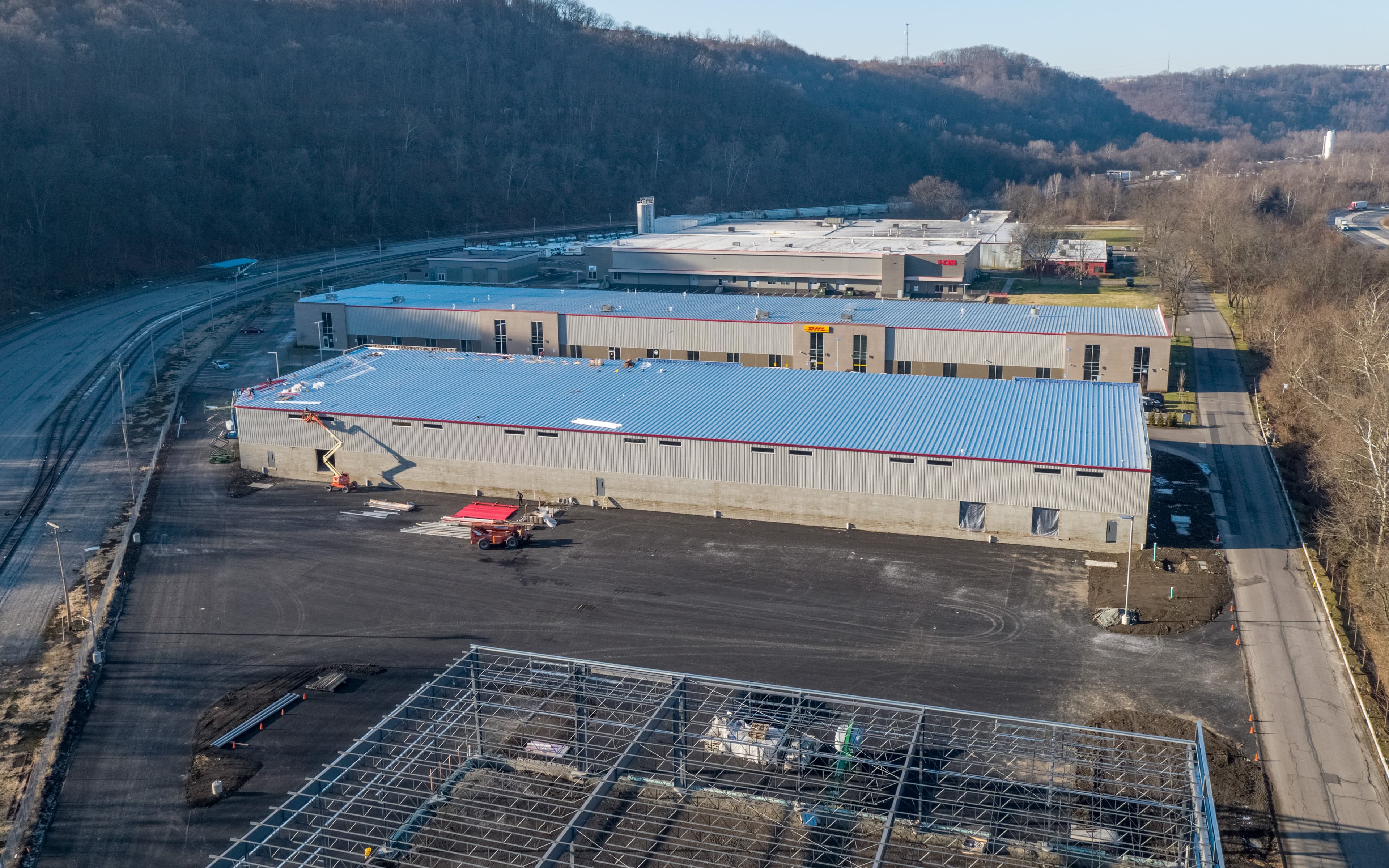
Carport Kits: Your Guide to Buying Metal Carport Kits

Carport Kits: Your Guide to Buying Metal Carport Kits
About NSB Specializing in designing and constructing high-quality steel buildings tailored to meet the needs of various industries. From simple structures to complex facilities, emphasizing durability, flexibility, and cost-efficiency.
Summary

Metal carport kits are a fast, cost-effective way to shield vehicles from weather without the expense or permanence of a garage, and this guide walks buyers through every step–from choosing the right roof style, gauge, and coating for local snow, wind, and sun loads to sizing the footprint for today's cars, tomorrow's boat, or even solar panels that turn the structure into a power plant. Readers learn how to decode specs like 14-gauge frames, 29-gauge panels, wind/snow ratings, and Galvalume warranties so they can compare real quality instead of marketing claims, while checklists for permits, setbacks, site prep, and HOA rules prevent costly teardowns or denied insurance claims. The article weighs DIY savings against professional one-day installation that preserves warranties, details financing options that make immediate protection affordable, and shows how the right 12-gauge, vertical-roof, certified kit can return 65-90 % of its cost at resale after decades of near-zero maintenance. Ultimately, buyers gain the confidence to buy smart, anchor correctly for their soil and climate, and perform simple quarterly upkeep that keeps the structure solid for 30-plus years–turning a straightforward metal shelter into one of the highest-value, lowest-hassle investments a homeowner can make.

What Are Carport Kits and Why Choose Metal?

Metal carport kits ship as pre-cut, pre-engineered puzzle pieces you bolt together in a weekend to give your vehicles decades of fire-proof, rot-proof, virtually maintenance-free shelter that costs less than wood and can be recycled again when its job is done.

Defining carport kits and how they work

Carport kits are pre-cut, pre-engineered outdoor metal structures designed to protect vehicles from weather without the full enclosure of a garage [1]. Think of them as puzzle pieces that arrive ready to assemble. Every component you need–support columns, beams, roof panels, connecting hardware, and optional side panels–comes in one shipment [1][3]. No cutting.

No fabricating. Just assembly. The pre-engineered design saves you time and headaches. Your kit arrives with assembly instructions and stamped engineering plans for permit applications [1].

You can tackle assembly yourself with basic tools, or bring in professionals for faster completion [1]. The modular design adapts to your needs–start with a simple roof shelter, then add walls later if you want [2]. Customize dimensions to fit your vehicles perfectly, and choose from roof styles and finishes that match your property [2].

Core advantages of metal construction

Metal beats wood in four ways that matter to your bottom line. Cost comes first–you'll spend less on materials, installation, and maintenance over the structure's lifetime [4]. Maintenance practically disappears. No rot inspections. No warping repairs. No pest treatments.

No painting schedules. Just occasional washing [4]. Environmental impact favors metal too. Your carport can be built from recycled steel and recycled again when its job is done. Wood structures? They typically end up in landfills [4].

Safety seals the deal. Metal won't burn, attract termites, grow fungus, or harbor mold. Your investment stays protected from threats that destroy wood structures [4]. When you need reliable vehicle protection that lasts decades without constant upkeep, metal delivers.

Common styles and configurations for metal carports

Five carport styles solve different problems. Vertical roof carports run panels from peak to edge, shedding rain and snow fast–your best bet for harsh weather [5][7]. Boxed eave (A-frame) styles blend with residential architecture using horizontal panels at a moderate price [6][7]. Regular rounded-style carports deliver basic protection at the lowest cost [6]. Need to move your shelter? Portable carports set up and relocate easily for seasonal use [7].

Want maximum protection? Enclosed carports add walls and doors, creating a garage-like space that shields vehicles from weather and security risks [7]. Your choice hinges on three factors: local climate, property aesthetics, and protection level. Heavy snow? Go vertical. Matching your home's look?

Choose boxed eave. Tight budget? Regular style works. Each design solves specific challenges while keeping your vehicles protected.

Key terminology and specifications to know

You'll encounter specific terms when shopping for carports. Here's what matters for your project. Gauge numbers tell you steel thickness–lower numbers mean thicker, stronger metal. Quality carports use 14-gauge frames with 29-gauge roofing panels [8]. Wind ratings show the maximum wind speed your structure can handle, typically 130-170 MPH [9].

Snow load capacity, measured in PSF (pounds per square foot), tells you how much snow weight your carport can bear–30 PSF is standard for certified models [8]. Certified carports come with engineering plans and extra bracing to meet your local codes [9]. Your foundation type–dirt, concrete, gravel, or asphalt–determines your anchoring system. Concrete delivers maximum stability [10]. Coating quality drives longevity.

Options like Galvalume Plus carry 50-year rust-perforation warranties [10]. When sizing your carport, measure three ways: width (side-to-side), length (front-to-back), and height (ground to peak). Always verify clearance for your specific vehicles [8].

Planning Your Carport Kit Installation

Measure your vehicles–then add three feet to every dimension–because a 12-foot-wide, 20-foot-long, 8-foot-high carport can still trap you if you skip the math on roof pitch, property-line setbacks, and tomorrow's bigger truck.

Measuring vehicles and determining coverage requirements

You need exact measurements before ordering your carport kit. Grab a tape measure and get the full dimensions of every vehicle–bumper to bumper, mirror to mirror, ground to roof [13]. Don't cut it close. Add 3 feet minimum to both length and width so you can actually open doors and walk around your vehicles [13]. Single-car carports start at 12 feet wide, 20 feet long, and 7 feet high [13]. Double-car structures need at least 18 feet of width, but 20-22 feet gives you room to breathe–especially with trucks or SUVs [13]. Got an RV or boat?

You'll need 12-14 feet of clearance, 18+ feet wide, and up to 40 feet long depending on your rig [13]. Height calculations get tricky. Standard carports start at 8 feet, but your actual clearance depends on roof style and pitch [11]. Regular curved roofs give you more headroom than boxed eave designs [12]. Planning to add walls later? Build in extra width now [13]. With standard 3/12 pitch roofs, you gain 3 inches of height for every foot of width [12].

Here's what catches most buyers: underestimating space [13]. Think ahead. You might buy a bigger truck, add a boat, or need equipment storage [13]. Height math matters too–a 12-foot wide regular-roof carport with 12-foot legs gives you 14 feet 3 inches of clearance at center thanks to the curve [11]. That extra headroom means room for roof racks or overhead storage.

Assessing lot dimensions, setbacks, and access routes

You can't just plop a carport anywhere. Check your property line setbacks first–most areas require 3-10 feet between your structure and property boundaries [14][15]. Measure your actual buildable space after accounting for these setbacks. Use a tape measure for small lots or a measuring wheel for larger properties [15]. Need pinpoint accuracy? GPS mapping services nail down exact boundaries [15].

Pick high, level ground with good drainage–water pooling kills foundations [15][16]. Your site needs to handle delivery trucks too. Most need 10-12 feet of gate clearance [14]. Smart placement? Put your carport beside or behind your house where it shields your home from weather while keeping vehicles accessible [16]. Got an existing concrete pad?

Measure it carefully. You'll be stuck with those dimensions once you start building. One last move before ordering: call your local building department. Some areas exempt structures under 200 square feet from permits, but rules change by zip code [14].

Navigating building codes, permits, and HOA guidelines

Most metal carports need permits. Period [17]. Call your building department before you buy–don't assume anything. Permanent structures almost always require approval [17]. Why bother with permits? They protect you. Your carport meets local weather standards. Your insurance stays valid.

You avoid fines or forced teardowns [17]. Even small carports often trigger zoning rules since they're classified as accessory buildings [19]. Here's your permit checklist: property survey, carport dimensions and materials, foundation specs, setback measurements [17]. Big structures or tough weather zones? You'll need engineered plans [17]. Submit everything with your fee and wait–simple projects clear in days, complex ones take months [18]. Once approved, expect inspections during construction [17]. Skip permits at your own risk.

You face teardown orders, blocked property sales, denied insurance claims, and structures that can't handle local weather [17]. Some areas waive permits for structures under 100-200 square feet, but you still might need zoning approval [18][19]. HOA property? Read those covenants now. HOAs often demand specific materials, colors, and placement–stricter rules than city codes. Get HOA approval first or face the consequences later.

Climate and site‑specific considerations for durability

Your local climate drives every installation decision. Face your carport away from afternoon sun to reduce heat buildup [20]. Know your prevailing winds and use natural windbreaks when possible [20]. Water is your enemy. Get the pitch right and water runs off. Get it wrong and you're dealing with ice dams and structural stress [21]. Heavy snow country? Steeper pitch means less shoveling and less frame strain [21]. Remember–metal expands and contracts with temperature swings. Quality Level ground isn't optional–it's mandatory. Uneven surfaces wreck structures and make assembly a nightmare [21].

Bad drainage? Either raise the site or install French drains before water undermines your posts [20]. Your soil type dictates your anchors. Concrete pads take wedge anchors. Dirt needs rebar or auger anchors sized for your soil [21]. High winds? Double down on anchoring and add diagonal bracing [22]. Yes, concrete costs more than dirt anchoring, but it handles extreme weather better. In moderate climates, properly anchored ground installations work fine [21][22]. Match your carport to your weather. Heavy rain or snow?

Vertical roofs beat horizontal panels every time–water and snow slide right off [21]. Desert heat? Reflective coatings keep vehicles cooler [20]. Hurricane zone? Demand hurricane ties and reinforced post connections [22]. Your climate determines maintenance too. Wet regions need quarterly fastener checks. Temperature swings mean watching for loose panels. Extreme weather areas require annual anchor inspections [21]. Pick the right design upfront and you'll save yourself years of problems.

Selecting the Ideal Metal Carport Kit

Choose a vertical-roof, 12-gauge galvanized-and-powder-coated kit if you want decades of leak-free, maintenance-free protection, especially for structures longer than 35 ft.

Roof styles, panel options, and optional insulation

Your roof choice drives performance and price. Here's what you need to know. Regular roofs cost less upfront. Their horizontal panels curve at the edges and run front-to-back. You save money, but these roofs collect debris and hold snow–fine for mild climates, problematic elsewhere [23][24]. Boxed-eave roofs blend value and aesthetics. The A-frame design matches most homes while shedding water better than regular roofs.

Still, horizontal panels mean slower drainage in heavy storms [23][25]. Vertical roofs deliver maximum protection. Panels run peak-to-eave, letting rain, snow, and debris slide right off. You pay 15-30% more, but you get superior weather resistance and structural integrity. Buildings over 35 feet? Vertical is your only smart choice–horizontal panels create leaking seams at that length [23][25]. Need something specific?

Flat roofs work for minimal budgets (expect debris buildup). Gable roofs ventilate well. Hip roofs excel against high winds [23]. Panel thickness matters. Standard builds use 14-gauge frames with 29-gauge panels. Heavy-duty applications call for 12-gauge frames with 26-gauge panels. The investment in thicker metal pays off in decades of trouble-free service [25].

Frame gauge, coating systems, and corrosion protection

Think of gauge numbers like golf scores–lower is better. Standard builds run 14-gauge frames, but upgrade to 12-gauge when you need serious strength. Two coating systems protect your investment: Galvanizing: Zinc coating that sacrifices itself to save your steel. Starts silver, fades to gray, lasts five times longer than powder coating alone. This is your workhorse protection [26][28]. Powder Coating: Baked-on polymer shield in any color you want.

Looks great, protects well in mild conditions. The downside? Scratches and cracks let moisture sneak through [28]. Smart money goes dual: Galvanized steel under powder coat finish. You get zinc's bulletproof corrosion resistance plus the color you want. Costs more?

Yes. Worth it near salt water or in harsh weather? Absolutely [27]. Check both frame gauge and coating type before you buy. Your location dictates your needs–coastal properties and extreme weather zones demand the best protection available [27].

Customization: colors, trims, accessories, solar and smart tech

Make it yours. Start with color–pick roof panels that match your home and keep the neighbors happy [29]. Trim choices: Clean, no-trim look works fine. Want definition? Add 3-inch corner trim on overhangs.

J-trim cleans up bottom edges [29]. Weather protection upgrades: – Partial end walls block wind and rain – Full enclosures turn your carport into a "Sonoran Garage"–completely enclosed, still budget-friendly [29] Structural options: Standard trusses handle normal loads. Planning to add shingles over metal? You need heavy-duty trusses rated for extra weight [29]. RV owners: Skip the fabric covers that tear in two seasons.

RV-specific carports give you the height and span your rig needs–built to last, not to replace [30][31]. Access matters: Add a pedestrian door frameout for standard 3' x 6'8" doors from any building supply store. Walk in without moving vehicles [29].

Sustainability features and future‑proofing options

Turn your carport into a power plant. Solar panels on top mean free electricity below–your carport pays you back while protecting your vehicles [32]. Solar planning essentials: – Get your structure evaluated–panels add weight – Face panels south for maximum power – Budget for reinforced framing [32] Smart design saves resources: – Dutch gables ventilate naturally, keep vehicles cooler – Flat roofs simplify solar mounting – Open gables maximize daylight, minimize materials [33] Future-proof your investment: Install EV charging stations powered by your solar panels.

Drive on sunshine, not gasoline. Smart energy systems track production and consumption–you see exactly what you save [32][34]. The payoff?

Lower energy bills, higher property values, and emission goals that meet themselves. Your carport works harder than just keeping rain off your truck [34].

Understanding Costs, Financing, and Value

Before you price a carport, size up every hidden cost–from $1,000-$7,000 site prep to the DIY time that quietly erases your 20-40% labor "savings."

Primary cost drivers: size, gauge, roof type, and extras

Your carport investment breaks down into predictable categories. Size drives the baseline cost–expect $8 to $20 per square foot installed. A single-car shelter (typically 12'x20') runs $2,000-$4,800. Double that space for two cars (20'x20') and you're looking at $3,200-$8,000 [36]. Need RV or boat coverage? The extra height and length push prices higher, but you get exactly the protection your equipment demands [36]. Metal thickness matters too–as covered in our specifications overview, thicker gauges cost more upfront but deliver decades of worry-free service. Commercial projects often upgrade to 12-gauge framing for maximum durability [35].

Your roof choice impacts both price and performance. As detailed in our roof styles section, regular curved roofs keep costs down. Boxed-eave designs add 10-20% for that traditional home look. Vertical roofs command a 15-30% premium–but in snow country, they pay for themselves by shedding loads effortlessly [36]. Smart buyers budget for the extras that make sense. Gutters run $12-$25 per linear foot. Need power? Add $150-$350 per outlet.

Wall enclosures, built-in storage ($300-$1,200 per linear foot), even colored screws ($0. 50-$1. 00 each)–they add up fast [36]. Here's what catches folks off guard: site prep. Budget $1,000-$7,000 for surveying ($300-$900), clearing ($1,200-$8,000), leveling ($200-$1,000), or concrete work ($5-$10 per square foot) [36]. We help you see these costs coming–no surprises.

DIY assembly versus professional installation cost breakdown

DIY looks cheaper on paper–you save 20-40% on labor [37]. But here's the math most folks miss: first-timers spend 3-5 times longer wrestling with assembly than pros do. At $38. 75/hour (median household income), those "savings" evaporate fast [37]. Your time has value.

Your weekends have value. Factor that in. Professional crews deliver more than speed. They knock out most jobs in a single day, handle the curveballs that always pop up, and keep your warranty intact–many manufacturers void coverage on DIY installations [38]. Plus, you won't drop hundreds on specialized tools you'll use exactly once [38].

Our Prefab kits start around $1,295–that's $4,700 less than site-built options–because everything arrives pre-cut and pre-drilled [39]. Want the best of both worlds? Handle site prep yourself, then bring in pros for the structural work. You save money, keep your warranty, and sleep better knowing it's done right [39]. In tough weather zones, professional installation ($5-$40 per square foot) becomes cheap insurance against future headaches [39].

Financing options, warranties, and long‑term guarantees

You don't need cash in hand to protect your vehicles today. Flexible financing spreads the cost while you enjoy immediate weather protection [40]. We work with buyers to find payment solutions that fit their cash flow–because waiting for perfect timing often costs more than financing. Real warranties tell you who stands behind their steel. Quality manufacturers back frames for 20 years, panels for 20-40 years against fading, chalking, and peeling [41].

Those numbers aren't marketing–they reflect what properly built steel actually delivers. With basic maintenance, expect 15-30 years of service [40]. The best warranties come with the best materials: G-90 galvanized steel rated at 50,000 psi minimum yield strength [41]. Ask about transferability too–it matters at resale. Read the fine print on what's actually covered.

Good warranties protect both structure and finish. Great warranties transfer to new owners–a selling point down the road. Just remember: most warranties require professional installation to stay valid. One more reason to let experienced crews handle the heavy lifting.

Calculating ROI, total cost of ownership, and resale impact

Here's your bottom line: metal carports return 50-80% through property value gains [42]. Spend $6,000, add up to $5,000 in home value on a $100,000 property–plus years of vehicle protection that saves on maintenance and depreciation [42]. Location, materials, and design drive those returns. Maximize your return by going heavier–12-gauge frames with 26-gauge panels outperform standard specs in durability and resale appeal [42]. In tough weather zones, certified structures command premium prices because buyers know they need real protection [42]. As discussed in our climate considerations section, matching your build to local conditions pays off.

Total ownership cost tells the real story. Metal needs almost no maintenance–no rot, no repainting, no termite treatments. Those savings compound over decades [43]. Plus, smart buyers see beyond vehicle storage. Today's carport becomes tomorrow's workshop, equipment shelter, or covered entertainment area [43]. Expect to recoup 65-90% at resale.

That $5,000 custom build returns $3,250-$4,500, after years of daily use [43]. Want maximum impact? Match your home's style with coordinated colors and trim. Size it right–big enough for real protection, small enough to preserve yard space. Future buyers notice when it looks intentional, not afterthought [44][42]. We help you plan for today's needs and tomorrow's value.

Buying Smart, Installing Confidently, and Maintaining Your Carport

Demand itemized quotes that spell out every gauge, footing, and permit, then verify wind/snow certifications and 20- to 40-year warranties so the lowest bid can't bury hidden costs or collapse in the first storm.

Requesting detailed, itemized quotes from vetted suppliers

You need transparency from day one. A proper quote itemizes everything–materials with gauge numbers, installation labor, delivery, foundation requirements, and extras like doors or windows [45]. Red flags? Vague pricing. Missing warranties. High-pressure tactics [45]. When you see "additional charges may apply," ask questions now, not later [45].

Material specs matter. Gauge thickness equals durability. Standard quality means 14-gauge frames with 29-gauge panels [45]. What's often hidden? Site prep. Foundation work. Even unloading the truck [46].

Engineering drawings, permits, code compliance–these add up fast when they're not included [46]. Compare quotes side-by-side. Create a simple matrix showing what each supplier includes. This reveals true costs and prevents budget surprises [47]. Look beyond price alone. Factor in quality, reputation, and warranty coverage. The lowest quote rarely delivers the best value [45].

Evaluating manufacturer certifications, industry standards, and reviews

You want proof, not promises. Quality manufacturers provide engineering certifications showing exact wind and snow ratings. Premium structures handle 130-170 MPH winds and 30+ PSF snow loads [48]. Strong warranties back strong claims–20 years on frames, up to 40 years on panels [49]. American-made steel means something.

Leading manufacturers use 14-gauge frames minimum, with certified strength specs [49]. When reading reviews, skip the stars. Look for specifics–how did installation go? How did the structure perform in that last storm? How did the company handle problems [48]?

The best manufacturers engineer for your location, not theirs. They customize designs for your climate and codes [49]. They document everything–testing protocols, engineering specs, certifications. No vague quality claims. Just facts you can verify [50].

Step‑by‑step assembly guide and professional support options

Site prep sets the stage. Level ground. Clear obstacles. Mark utilities [51]. Layout your footprint per specs. Choose your footing type–standard 2-foot holes for posts, caisson footings for soft soil, spread footings for larger structures [51]. Before you build, inventory everything.

Missing parts stop projects cold [51]. Assembly follows logic: posts first, then caps to seal out moisture [51]. Horizontal purlins next–they carry your roof [51]. Roof panels start at one end, overlap per specs, create that watertight seal [51]. Secure with weather-resistant screws. Add trim last–looks good, keeps water out [51]. Professional installation changes the math.

What takes you 3-5 days takes pros one day [22]. Your warranty stays intact. No troubleshooting calls needed [10]. The smart middle ground? You prep the site, pros build the structure. You save money, they ensure it's done right [22]. In tough weather zones, proper assembly isn't optional–it's what keeps your structure standing [22].

Routine maintenance checklist and troubleshooting tips for longevity

Your quarterly checklist takes 30 minutes and saves thousands. Check bolts–tighten what's loose. Inspect panels for damage or sag. Verify anchors haven't shifted [52][53]. Every 2-3 months, wash with mild soap and soft brush. Skip the pressure washer–it strips protective coatings [53]. Clear the roof.

Clean the gutters. Standing water breeds rust [54]. See rust? Act fast. Sand to bare metal. Apply rust converter. Paint with matching rust-resistant coating [53].

Heavy snow regions need extra attention–clear accumulation with a roof rake, seal before rain season [54][53]. Troubleshooting starts with drainage. Poor water flow causes most problems–foundation shifts, panel misalignment [54]. Check ground anchors in freeze-thaw areas. They work loose [53]. Major issues–structural movement, spreading rust, persistent sagging–need professional eyes. DIY structural repairs void warranties and risk collapse [53][54].

Key Takeaways
  1. Add 3 ft minimum to vehicle LxW for usable carport size
  2. Vertical-roof kits shed snow fastest, cost 15-30 % more
  3. 14-gauge frame + 29-gauge roof is standard duty spec
  4. Permits usually required; DIY can void warranty
  5. Expect 50-80 % resale value; 20-40 yr panel warranties
  6. Site prep runs $1-7 k extra before kit delivery
  7. Pros install in 1 day vs 3-5 DIY, keep warranty intact
References
  1. https://metalcarport.com/metal-carport-kit/
  2. https://www.metalcarports.com/blog/metal-carport-kit/
  3. https://www.steelstructureworld.com/technology/what-does-the-metal-carport-kits-include/
  4. https://www.elephantstructures.com/the-benefits-of-steel-versus-wood-carports-and-garages/
  5. https://alansfactoryoutlet.com/boxed-eave-metal-carports/?srsltid=AfmBOop28id7iNRaViMkQ1w8orJP33fTt7srltvCyN9dVZmDLxBHyoPX
  6. https://www.metalbuildingoutfitters.com/top-5-durable-metal-carport-designs-to-consider/
  7. https://www.carport.com/shop/carports/triple-wide-metal-carport-26x21x7/?srsltid=AfmBOoq3QKkMB3bDnrqYFRmpXs5gvMmTeh_q0LOU5a8qHhHZsRvLLfpK
  8. https://thecarportco.com/buyers-guide/can-carports-withstand-high-winds/?srsltid=AfmBOopvSRo0R7wXhvrD13oyqCaG28SmAvakxFtMO7awhy_qnf-Qtu3N
  9. https://futurebuildings.com/blog/guide-to-installing-a-metal-carport-kits-2.html
  10. https://alansfactoryoutlet.com/carport-sizes-garage-dimensions/?srsltid=AfmBOorXMVjQt_HugGwsC8f8BDUpnDYoQGAYLo5WUdLyDcvLsQxSSbZP
  11. https://thecarportco.com/buyers-guide/how-are-carports-measured/?srsltid=AfmBOoofSwH9cdXtAvaOmRXvGZSp-DdDK07Ubjgz1kRWjy2shIhsVmT_
  12. https://buncebuildings.com/uncategorized/how-to-measure-metal-carport-dimensions-for-your-cars/?srsltid=AfmBOopEp7y4BJXpV-ReJXJdCwhAyMFT-2vRNitxLvmULWijaGf7iMei
  13. https://keensbuildings.com/installation-guide/?srsltid=AfmBOoqt42QJ1ELHwAMnCP0Ol7X88liS5VSAyfZpoW30N7Z121tEjaJL
  14. https://www.steelcarports.com/blog/the-ultimate-steel-carport-installation-site-measurement-guide?srsltid=AfmBOoq0Sda80yd-iqzV32S05J8WB-PmNtGfYWqXs2nRhjQyln-R3LwA
  15. https://www.vikingsteelstructures.com/blog/your-guide-to-carport-sizes-making-the-best-choice-for-your-vehicle?srsltid=AfmBOoqY88FqIPoeuDdiqyErf8rzEzCPXdN8ACJ-tsC4APsCpICfynr9
  16. https://bullbuildings.com/do-metal-carports-require-a-permit-what-you-need-to-know/
  17. https://www.permitflow.com/blog/new-york-state-building-permit-requirements
  18. https://funinstow.com/Faq.aspx?QID=130
  19. https://www.metalbuildingoutfitters.com/essential-guide-to-installing-metal-carports/
  20. https://metalbuildingsnorthamerica.com/carport-canopy-protection-features/
  21. https://americansteelinc.com/blog/how-to-install-a-metal-carport-professional-guide/
  22. https://www.eaglecarports.com/blog/everything-you-need-to-know-about-carport-roof-styles
  23. https://metalcarport.com/metal-carport-roofing-types/
  24. https://metalbuildingsnorthamerica.com/types-of-carports-roof-styles-and-structural-options/
  25. https://www.keystonekoating.com/blog/powder-coating-vs-galvanizing/
  26. https://arpowdercoating.com/powder-coating-vs-galvanizing-which-is-better-for-industrial-applications/
  27. https://www.wileymetal.com/powder-coating-vs-galvanizing-a-comparative-analysis/
  28. https://www.absoluterv.com/carport-kits/metal-carport-options-accessories/
  29. https://metalcarport.com/home/
  30. https://www.corrugated-metals.com/blog/the-perfect-pairing-of-carport-structures-and-solar-panels/
  31. https://www.greenlodgingnews.com/innovative-carport-design-for-sustainable-living/
  32. https://betterbuiltusa.com/from-shelter-to-solar-carports-leading-the-renewable-energy-movement/
  33. https://www.eaglecarports.com/blog/metal-carport-prices
  34. https://homeguide.com/costs/metal-carport-prices
  35. https://keensbuildings.com/diy-vs-professional-carport-installation-cost-comparison/?srsltid=AfmBOoqWLmKj9cacKg55gmftey710GzCIoDZ0P8eYPcj6HPWDQ9gDVDC
  36. https://americancarportsinc.com/blog/carport-installation-diy-vs-professional/
  37. https://alansfactoryoutlet.com/blog/cost-to-build-a-carport/?srsltid=AfmBOoq7ULAm-CpqLbLb1_ARxuILrcNneYAVXgFE9LYmkJafNRNpZSWq
  38. https://www.metalbuildingoutfitters.com/top-affordable-metal-carports-for-homeowners/
  39. https://www.absoluterv.com/carport-kits/
  40. https://www.vikingsteelstructures.com/blog/does-a-metal-carport-really-upscale-your-property-value?srsltid=AfmBOooRDK-POv0kET7-BNYA_9lUa3edFXE38OvICEFb7XVfBtHXpr4g
  41. https://www.carportsadvisor.com/blog/the-roi-of-a-custom-metal-carport?srsltid=AfmBOoqGyZ0Nqgv2M53ZcnVPsRvo7IiVOvZoEvK-AKp5BDdtFZOrRVjT
  42. https://www.eaglecarports.com/blog/can-metal-carports-impact-property-value
  43. https://roimetalbuildings.com/how-to-vet-a-metal-building-quote/
  44. https://metalprobuildings.com/steel-metal-buildings-what-you-need-to-know-before-signing-a-contract/
  45. https://lionbuildings.com/best-questions-to-ask-when-requesting-a-quote-for-your-metal-building/
  46. https://www.amazon.com/Mars-Explo-Galvanized-Permanent-Tractors/dp/B0F24T7H1G
  47. https://torosteelbuildings.com/blog/steel-carport-kits-diy-installation-steps/
  48. https://acadianaportablebuildings.com/blog/metal-carport-maintenance-tips-for-longevity/
  49. https://abccarport.com/2024/12/how-to-maintain-your-steel-carport-a-comprehensive-guide/
  50. https://bestnationalcarports.com/how-to-maximize-the-lifespan-of-your-carport-maintenance-tips-and-tricks/