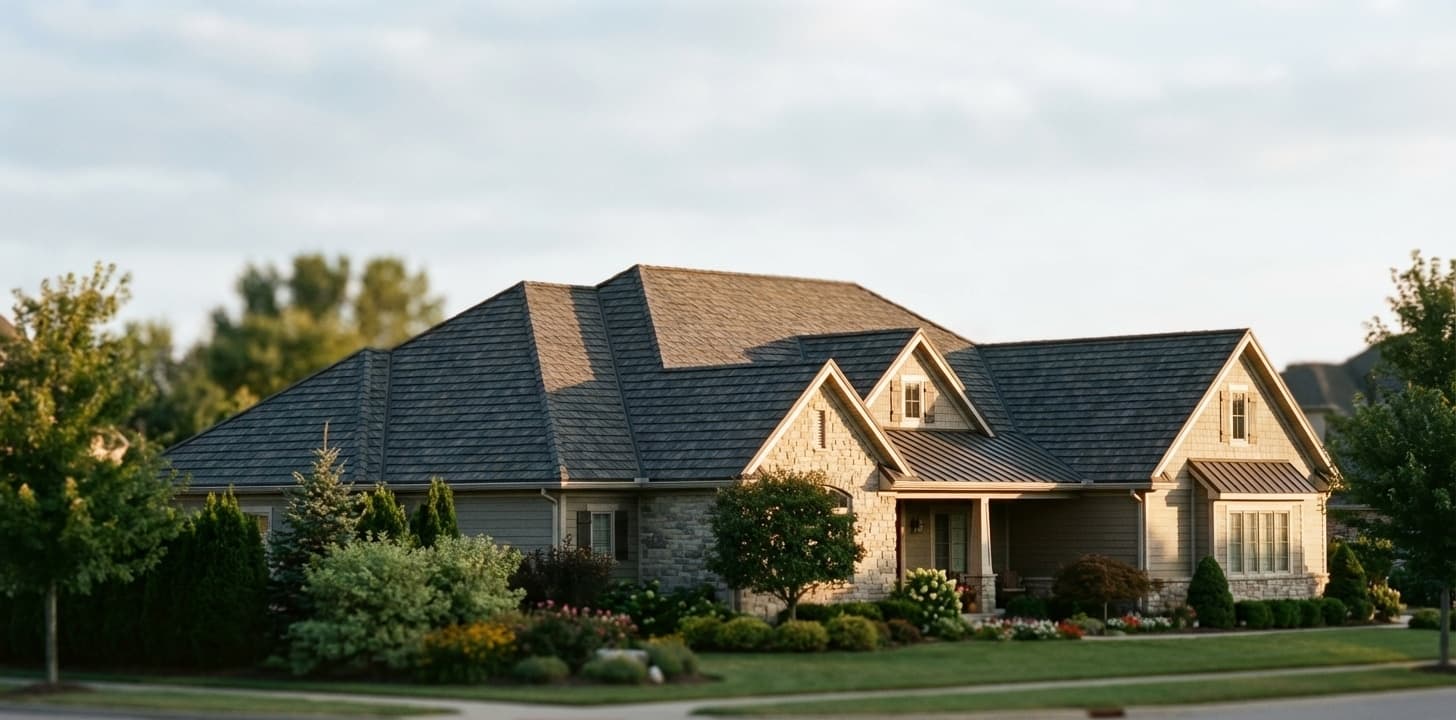
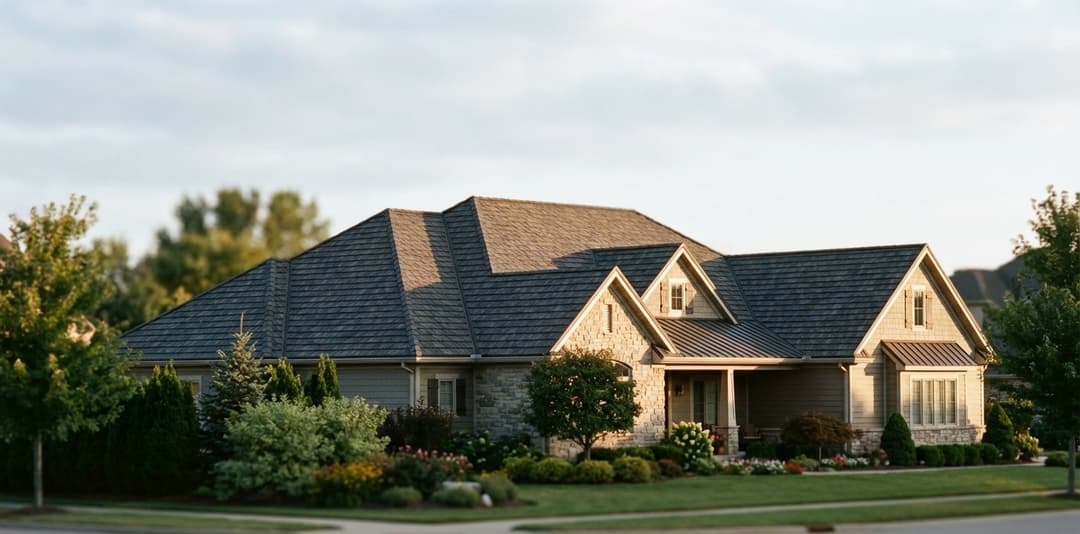
Metal roofs that masquerade as shingles fuse century-spanning durability with picture-perfect curb appeal, letting homeowners swap chronic asphalt repairs for a one-time upgrade that shrinks cooling bills, shrugs off 140-mph winds, and can pay for itself twice over through energy savings, insurance discounts, and 6 % higher resale values. The article unpacks the precision stamping, multi-layer coatings, and four-way interlocks that turn recycled aluminum or steel into wood-shake, slate, or asphalt look-alikes; contrasts concealed-clip systems with exposed-fastener shortcuts; and walks readers through load calculations, ventilation tricks, and low-maintenance schedules that keep these roofs pristine for 40–70 years. It weighs steel’s bargain strength against aluminum’s coastal immunity, copper’s 100-year patina, and zinc’s self-healing elegance; matches profiles to colonial, craftsman, or modern aesthetics; and clarifies why color choices should shift with snow-load or sun-belt climates. Finally, it demystifies sticker shock—$9–$16 per square foot—by layering federal tax credits, utility rebates, and lifecycle math that breaks even near year 25 and outruns asphalt by up to $40 k over half a century, all while guiding readers to vet certified local installers and transferable warranties that guard this long-term investment.
Understanding Metal Roofs That Mimic Shingles
Precision stamping presses transform coated aluminum or steel coils into dimensionally accurate metal “shingles” whose layered Kynar 500/Hylar 5000 finishes and zinc-aluminum-silicon alloy bases deliver wood- or slate-like beauty with corrosion-proof longevity.
What a metal roof that looks like shingles is and how it’s made
Metal roofs that look like shingles combine the durability of metal with the aesthetic appeal of traditional roofing. These specialized panels are manufactured through precision engineering processes that create three-dimensional profiles mimicking asphalt, wood, or slate shingles. The transformation begins with metal coils—typically aluminum or steel—that undergo a series of manufacturing steps to become finished roofing products [2].
For aluminum-based systems, recycled aluminum is rolled into coils of specific thickness and width, then sent to a coil coater where advanced protective finishes like Kynar 500 or Hylar 5000 are applied [1]. The coated metal then enters large-bed, high-tonnage stamping presses containing multiple dies that progressively form the distinctive shingle patterns [1]. Each press operation adds increasing complexity to create authentic-looking textures, grooves, and shadow lines that mimic traditional roofing materials [1].
Steel-based systems follow a similar process, with galvanized or coated steel coils fed through either stamping presses for dimensional shingles or roll-formers for panels with raised ribs and textured surfaces [3]. The stamping technology creates the visual depth and dimension critical to convincingly simulating traditional roofing materials while maintaining metal's structural integrity [2]. Quality manufacturers apply multiple layers of protective coatings during production, including specialized primers and UV-stable finishes that resist fading and corrosion [3].
Modern coating and stamping technologies that create shingle aesthetics
The convincing shingle appearance of metal roofs relies on two key manufacturing innovations: advanced coating systems and precision stamping processes. Manufacturers apply multiple protective layers during production, beginning with a metallic coating of zinc-aluminum-silicon alloy that prevents corrosion while enhancing panel durability [4]. High-performance paint finishes like Kynar 500 and Hylar 5000 are then baked onto the metal in specialized coil coating facilities, providing both aesthetic qualities and UV resistance [5].
These sophisticated paints remain flexible enough to withstand subsequent forming processes without cracking or separating [5]. Some manufacturers add a final layer of stone granules embedded in acrylic resin, creating dimensional texture that mimics traditional materials like slate, wood, or clay [4]. The distinctive three-dimensional profiles emerge through precision engineering, as flat metal sheets progress through large-bed, high-tonnage stamping presses containing multiple dies [6].
Each progressive die operation adds increasing complexity to the metal, creating authentic-looking textures, grooves, and shadow lines [6]. The stamping technology represents some of the most sophisticated metal forming processes in manufacturing, with presses ranging from 350 to 1500 tons creating the deep lines and authentic grooves that distinguish quality metal shingles [6]. This combination of advanced coatings and multi-stage forming processes delivers metal roofing with the dimensional character of traditional materials while maintaining superior durability.
Differences between shingle‑style metal panels and traditional metal roofing
Metal shingles and standing seam systems represent the two primary categories of metal roofing, each with distinct characteristics that affect their suitability for different applications. Metal shingles are smaller, modular panels stamped to mimic traditional roofing materials using a four-way interlocking system [7]. In contrast, standing seam features continuous vertical panels with raised seams that connect without visible fasteners, creating a modern appearance with clean, straight lines [8]. This fundamental design difference affects everything from installation to performance.
Metal shingles typically use thinner metal than standing seam systems, which can make them more susceptible to denting when walked on [8]. For sloped applications, metal shingles require a minimum pitch of 3/12, while certain standing seam profiles can accommodate lower slopes down to 1/2:12 for mechanically seamed systems [8]. Installation costs often run higher for metal shingles because they involve placing individual shingle pieces rather than running continuous panels from ridge to eave [7]. Architectural compatibility also differs significantly – metal shingles offer a traditional aesthetic that often satisfies HOA requirements that prohibit standing seam's more industrial appearance [7].
The interlocking design of metal shingles provides excellent wind resistance despite being approximately 1/4 the weight of asphalt shingles [7]. While both systems offer exceptional durability compared to conventional roofing materials, standing seam generally provides more comprehensive engineering and testing, particularly for commercial applications requiring specific performance ratings [8].
Why homeowners choose the hybrid solution
Homeowners increasingly choose metal roofs that mimic shingles as they combine traditional aesthetics with modern performance advantages. This hybrid solution appeals to those who value architectural authenticity while seeking improvements over conventional materials. Unlike standard shingles, these metal alternatives deliver exceptional longevity with minimal maintenance requirements (detailed in the Maintenance section below) [9].
Weather performance drives many purchasing decisions, as metal shingle systems resist extreme conditions including hailstorms, heavy snowfall, and winds up to 140 mph [10]. The energy efficiency advantages, explored fully in the Key Benefits section, provide another compelling factor for forward-thinking homeowners [9]. Environmental considerations also influence homeowner choices; metal roofing typically contains high percentages of recycled content and remains 100% recyclable at the end of its service life, significantly reducing landfill contributions compared to asphalt products [10].
The aesthetic versatility of modern metal shingles addresses homeowners' desire to maintain traditional appearances while upgrading performance, with options mimicking classic asphalt, slate, wood shakes, or ceramic tiles available in numerous colors and finishes [9]. Many property owners also value the additional safety benefits, particularly the natural fire resistance that metal provides—an important consideration in wildfire-prone regions [10]. The initial investment exceeds that of conventional materials, yet the comprehensive financial analysis (covered in detail in the Financial Analysis section) reveals why value-conscious homeowners increasingly choose these advanced hybrid systems [10].
Key Benefits Over Traditional Shingles
Metal shingle-style roofs slash summer cooling costs up to 25%, demand virtually zero maintenance for 40–70 years, and can pay for themselves through energy rebates—outperforming asphalt in every way that matters to your wallet.
Energy efficiency and cooling savings specific to metal roofs that look like shingles
Metal roofs designed to look like shingles deliver exceptional thermal performance through their reflective surfaces and ventilated installation systems. Unlike traditional asphalt shingles that absorb and transfer heat into attic spaces, metal roofing reflects solar radiation away from the building envelope. This reflectivity significantly reduces cooling demands, potentially cutting summer cooling costs by 10-25% depending on climate zone, roof color, and building insulation levels.
The energy advantage comes from several design elements: specialized infrared-reflective pigments in the coating systems that reflect heat even in darker colors, the natural thermal properties of metal that release absorbed heat quickly after sunset, and the installation method that creates an air gap between the roof and decking. This ventilated air chamber provides continuous passive cooling that prevents heat transfer into the building. Many metal shingle products qualify for ENERGY STAR certification and may be eligible for utility rebates or tax incentives in certain regions.
The long-term energy savings become particularly significant in hot climates where cooling represents a major portion of energy consumption, often recovering a substantial portion of the initial cost premium over the roof's lifetime.
Low‑maintenance profile compared with asphalt or wood shingles
Metal roofs designed to look like shingles offer a compelling maintenance advantage that transforms the ownership experience. Unlike asphalt shingles that crack, curl, and lose granules over time, metal shingle systems maintain their structural integrity with minimal intervention throughout their extended service life [12]. The contrast is striking—traditional shingles demand regular inspections and repairs throughout their 20-30 year lifespan, while metal roofing requires only occasional cleaning and basic checks across 40-70 years of service [12].
This dramatic reduction in maintenance stems from the interlocking panel design, which creates a secure barrier against moisture infiltration and eliminates common issues like individual shingle replacement, moss treatment, or wind damage repair [11]. Wood shingles present even greater maintenance challenges, requiring ongoing treatments for rot prevention, warping control, and insect resistance—concerns that metal inherently addresses through its material properties. The advanced fastening systems in quality metal installations resist loosening over time, removing the need for periodic refastening after severe weather [11].
For comprehensive maintenance procedures and inspection schedules, see our detailed coverage in Section 6. This low-maintenance profile proves especially valuable for homeowners seeking a genuinely hands-off roofing solution.
Curb appeal, design flexibility, and resale value boost
Metal roofs that mimic shingles deliver measurable returns through enhanced property value and curb appeal. According to a 2022 National Association of REALTORS® survey, a new roof ranks as the most appealing exterior feature for homebuyers, with metal options driving resale values up to 6% higher [13]. The financial impact is substantial—homeowners typically recoup 85. 9% of installation costs nationally, with some eastern regions achieving remarkable 95.
5% recovery rates [13]. Beyond pure economics, these roofing systems offer unmatched design flexibility. Modern manufacturing techniques produce options that seamlessly complement diverse architectural styles, from craftsman bungalows to Mediterranean estates [14]. Today's metal shingles convincingly replicate premium materials—clay tiles, cedar shakes, or traditional asphalt—in numerous finishes, colors, and textures, eliminating concerns about industrial aesthetics [15].
This versatility proves invaluable for navigating HOA requirements while achieving superior performance. Real estate professionals consistently report that metal roofs signal quality and long-term thinking to prospective buyers, generating positive first impressions that accelerate sales at premium prices [14]. Strategic listing descriptions that emphasize "durability" and "efficiency" help buyers recognize the comprehensive value proposition—a critical advantage in competitive markets [13]. For detailed ROI calculations and financing options, refer to our financial analysis in Section 7.
Materials, Styles, and Finishes for Shingle‑Look Metal Roofs
From 40-year galvanized steel to self-healing zinc and century-lasting copper, today’s shingle-look metal roofs pair the exact metal performance you need with stone-coated or precision-stamped finishes that perfectly mimic slate, cedar, or asphalt without their weight, fire, or maintenance risks.
Common metals: steel, aluminum, copper, and their performance traits
Four primary metals dominate the shingle-look market, each delivering specific performance advantages. Steel leads adoption with its 40-70 year lifespan and exceptional strength-to-cost ratio [16]. The protective coating determines longevity—galvanized steel prevents rust for up to 60 years, while Galvalume's aluminum-zinc blend extends protection to 70 years [17].
Aluminum excels in coastal environments where its natural corrosion resistance protects against salt exposure that would compromise other metals [18]. At one-third steel's weight, aluminum reduces structural requirements and installation complexity, though this advantage comes with increased susceptibility to impact damage [17]. For premium applications, copper delivers 100+ year performance and develops its signature blue-green patina over time, though the material's softness and high cost limit broader market penetration [17][18].
Zinc represents an innovative middle ground—its self-healing properties allow minor scratches to develop protective patinas that seal damage automatically [17]. With proper maintenance, zinc systems achieve 80-100 year lifespans, though early installations may display temporary streaking until the patina matures [17].
Stone‑coated, architectural, and slate‑look variants that replicate shingle textures
Today's metal shingles achieve remarkable textural authenticity through advanced design variants. Stone-coated systems combine steel substrates with embedded stone chips in acrylic resin, delivering dimensional surfaces that authentically replicate asphalt, wood, or clay while providing enhanced weather protection [19].
Metal slate alternatives capture natural slate's sophisticated character without its weight penalties or fracture risks—these engineered panels eliminate structural reinforcement requirements while maintaining visual authenticity [20][21]. Cedar shake variants utilize precision stamping (as detailed in our manufacturing overview) to create convincing wood grain patterns that resist rot, insects, and fire indefinitely [21].
Budget-focused corrugated options with stamped designs provide economical entry points without compromising durability [21]. Modern manufacturing achieves such precision that multi-dimensional profiles create shadow lines and depth perception virtually indistinguishable from traditional materials at typical viewing distances.
Matching roof style to home architecture and regional climate
Successful metal shingle selection requires balancing architectural authenticity with climate performance. Traditional homes maintain historical integrity through metal shingles mimicking slate or Victorian scalloped patterns [26]. Colonial, Craftsman, and farmhouse architectures pair naturally with metal shake profiles that deliver wood aesthetics without maintenance burdens [26].
Contemporary designs achieve optimal visual impact through sleek standing seam panels creating clean, modern lines [26]. Climate drives material specifications: hot regions demand lighter colors and reflective coatings for maximum heat rejection and cooling efficiency [25]. Cold climates leverage metal's snow-shedding advantages, with proper installation managing freeze-thaw cycles that compromise traditional materials [25].
Coastal installations require aluminum or zinc-coated steel to combat salt-air corrosion [25]. Strategic color selection optimizes regional performance—darker shades (charcoal, forest green) accelerate snow melting in northern climates through increased solar absorption, while lighter colors maximize reflection in southern exposures [27]. Environmental context and existing architectural elements guide aesthetic decisions, creating either seamless coordination or deliberate contrast with surrounding features [27].
Planning, Design, and Installation Best Practices
Before a single metal shingle is laid, insist on a professional structural audit that weighs dead, live, and environmental loads against your deck’s true condition—because skipping this step can turn sleek aluminum panels into expensive evidence of cracked walls, storm-time popping, and a roof that buckles under code.
Structural assessment, roof deck preparation, and load calculations
A comprehensive structural assessment forms the foundation of any successful metal shingle installation, ensuring your home can properly support this advanced roofing system. Professional assessment involves calculating three critical load factors: dead load (the permanent weight of roofing materials), live load (temporary forces from snow accumulation or maintenance activities), and environmental load (external pressures from wind and precipitation) [28]. Material selection significantly impacts these calculations—aluminum's lightweight profile weighs approximately one-third of steel, while premium options like copper and zinc fall between these extremes [28].
Expert contractors follow a systematic evaluation process: measuring precise roof dimensions, identifying location-specific load requirements, applying current building code formulas, and incorporating appropriate safety margins for extreme weather events [28]. Property owners should recognize warning signs of insufficient structural support, including interior wall cracks, audible popping during storms, water pooling on roof surfaces, or misaligned doors and windows [28]. Deck preparation demands equal attention to detail.
Industry best practices recommend complete tear-off to enable thorough sheathing inspection, damaged area repairs, and verification of a perfectly flat installation surface [29]. Though some jurisdictions permit installation over existing single-layer shingles, this approach requires careful verification that the underlying deck remains structurally sound—free from sagging, wood rot, or extensive damage [29]. Building codes typically restrict roofing to two layers maximum, making complete removal mandatory when multiple layers already exist [29].
Fastening options: exposed vs concealed, screw vs clip systems for shingle‑style panels
Selecting between exposed and concealed fastening systems represents a critical decision that impacts both performance and long-term value. Exposed fastener systems attach panels directly through the metal surface, leaving visible screw heads across the roofline [30]. While these systems offer lower initial costs and straightforward installation, they create multiple penetration points that rely on rubber washers for weatherproofing—a potential vulnerability over time [31].
Concealed fastener systems represent the premium solution, utilizing hidden clips that secure panels while allowing complete coverage of all attachment points [32]. This sophisticated approach delivers multiple advantages: elimination of water entry risks, accommodation of natural thermal movement, and reduced susceptibility to oil-canning and fastener loosening [32]. The thermal flexibility proves especially valuable in regions experiencing significant temperature swings, where exposed fasteners can work loose or create enlarged openings as metal expands and contracts [32].
Performance metrics clearly favor concealed systems, particularly regarding weather resistance during freeze-thaw cycles when moisture infiltration becomes a primary concern [32]. The maintenance contrast is equally compelling—exposed systems demand regular inspections with rubber washer replacements every 10-15 years and periodic screw retightening, while concealed fasteners remain protected from UV degradation and weather exposure, virtually eliminating these maintenance requirements [30], [32]. From an aesthetic perspective, concealed systems deliver the clean, uninterrupted appearance that enhances property value and satisfies discerning homeowners seeking architectural excellence [32].
Integrating flashing, ventilation, insulation, and moisture barriers
Successful metal shingle installations require seamless integration of multiple support systems working in concert to deliver optimal performance. Custom-fitted flashing forms the first line of defense, creating watertight seals at vulnerable intersection points—chimneys, skylights, valleys, and vents—through precise overlapping that channels water away from the structure [35]. The moisture management strategy extends beneath the visible surface, where quality barriers prevent the condensation damage that occurs when warm interior air contacts cool metal surfaces—a phenomenon that can trigger rust formation, wood decay, and insulation failure [33].
Professional installations employ synthetic underlayment or self-adhering waterproof membranes, methodically applied horizontally from eave to ridge with 6-inch overlaps ensuring comprehensive coverage [34]. Critical areas demand enhanced protection through peel-and-stick waterproof barriers strategically placed around edges, valleys, and penetrations before general underlayment application [34]. Ventilation systems complement moisture controls by maintaining optimal temperature and humidity balance beneath the roof surface [35].
The installation sequence proves critical to success: moisture barrier installation precedes insulation placement, followed by metal panel attachment [33]. Properties in high-humidity regions or those featuring sub-roof insulation require vapor barriers to prevent moisture accumulation that compromises insulation effectiveness and accelerates metal degradation [33].
Warranty considerations, quality‑control checklist, and code complianceSuccessful metal shingle projects begin with thorough preparation and code compliance verification. Building codes often restrict roof layering to two maximum, making early verification essential to avoid costly delays [36]. Establish clear permit responsibilities between you and your contractor before project commencement, ensuring all necessary approvals are secured promptly [37].
Material verification upon delivery prevents installation setbacks—systematically confirm that shingle style, color specifications, brand selection, and quality standards match your approved order [37]. Throughout installation, vigilant adherence to manufacturer guidelines remains non-negotiable, as deviations can void valuable warranty protections [36]. Understanding warranty structures empowers informed decision-making.
Metal roofing warranties typically feature dual coverage: material protection (generally 25-50 years) and workmanship guarantees (typically 5-10 years), with manufacturers often mandating specific installation protocols for coverage validation [38]. Post-installation quality control demands comprehensive evaluation: verify uniform panel alignment, inspect flashing integrity around all penetrations, confirm fastening system security, and assess drainage effectiveness [38]. Photographic documentation throughout the project—before, during, and after installation—creates invaluable records supporting potential warranty claims [37].
Secure all warranty documentation immediately upon project completion, maintaining organized records of both manufacturer and contractor protections for future reference [38]. A thorough final walkthrough with your contractor ensures every installation aspect meets manufacturer specifications and building codes—protecting your investment while maximizing long-term performance [38].
Maintenance, Performance, and Longevity
A disciplined twice-yearly inspection ritual—clearing gutters, tightening fasteners, and spot-treating rust—halts corrosion, coating wear, and leaks before they steal decades from your metal shingle roof.
Routine inspections, cleaning methods, and debris removal for metal roofs that look like shingles
Metal shingle roofs require minimal but consistent maintenance to maximize performance and longevity. Professional maintenance protocols recommend comprehensive inspections twice annually—strategically timed in spring and fall—with supplemental evaluations following significant weather events [39]. During these inspections, examine for visible damage including dents, scratches, loose panels, and pay particular attention to vulnerable areas like seams and edges where leaks commonly begin [40].
Keep gutters and drainage systems clear of leaves and debris to prevent moisture accumulation that accelerates corrosion, especially along roof edges where standing water can cause rust [41]. For cleaning, use a mild detergent mixed with water and a soft brush or cloth to remove dirt, mildew, and stains that can deteriorate the protective finish [41]. When addressing more stubborn buildup, light-pressure washing with hot water is effective, though always check manufacturer guidelines before applying any cleaning solution [39].
Environmental management plays a crucial role—trim overhanging branches that might drop debris or rub against the roof surface, damaging protective coatings [41]. For metal shingle systems with exposed fasteners, regularly check for loosened screws that can create leak points, particularly if installed in poor-quality wood [41]. While property owners can execute fundamental maintenance tasks, engaging certified professionals ensures comprehensive evaluation of critical components including seam integrity and fastener conditions, particularly essential for complex architectural configurations [39].
Preventing corrosion, coating wear, and fastener loosening over time
Preserving metal shingle roofs requires a systematic approach to prevent the three main deterioration factors: corrosion, coating wear, and fastener loosening. Address corrosion by promptly treating any rust spots with rust-inhibiting primer and appropriate metal paint, creating a protective barrier against moisture infiltration [42]. Check fasteners during biannual inspections, as they commonly loosen due to thermal expansion, wind pressure, vibrations from storms, or improper installation [39].
Use a torque wrench to tighten loose screws to manufacturer specifications, preventing water entry points that accelerate deterioration [42]. For long-term coating protection, schedule reapplication of sealants and protective coatings every 5-10 years, particularly around vulnerable areas like flashing and seams where wear occurs first [42][43]. Maintain proper drainage systems to prevent water accumulation that accelerates corrosion, especially after storms when debris can trap moisture against metal surfaces [43].
The screws themselves may eventually require replacement if you notice corrosion during inspections, so examine the current screw pattern and use only manufacturer-recommended replacements when needed [39]. Environmental management plays a crucial role—trim branches that overhang the roof to prevent both physical damage to protective coatings and organic debris accumulation that traps moisture against the metal surface [42].
Expected lifespan, performance metrics, and comparison with traditional shingles
As discussed in previous sections, metal shingle roofs offer exceptional longevity and performance advantages. Beyond their extended service life, performance metrics consistently demonstrate metal's superiority—these roofing systems withstand extreme weather with impact resistance against hail and winds up to 140 mph [45]. The comprehensive performance benefits extend to fire safety, with metal roofing achieving the highest possible fire resistance ratings, providing critical protection in wildfire-prone regions [18].
The maintenance requirements further distinguish metal roofing's value proposition—while traditional shingles demand continuous attention for cracking, curling, and granule loss, metal roofing maintains optimal performance with minimal intervention [45]. These superior performance characteristics translate into measurable financial benefits, including potential insurance premium reductions due to metal roofing's proven durability and reduced claim risk [44]. The comprehensive cost-benefit analysis reveals that while initial investment requirements exceed traditional alternatives, the substantially extended service life and minimal maintenance demands position metal roofing as a strategic long-term investment [45].
This lifecycle value proposition becomes particularly compelling when evaluating total ownership costs, as detailed in the following financial analysis section.
Troubleshooting common issues such as oil‑canning, noise, and panel expansion
Even premium metal roof installations can develop specific issues that require troubleshooting. Oil canning—visible waviness or rippling across metal panels—occurs when the metal becomes stressed and cannot maintain a flat form [46]. While primarily aesthetic and not structural, this common phenomenon appears most frequently on wider, smooth panels and less often on textured or corrugated surfaces [47].
Several factors contribute to oil canning: thermal expansion and contraction of metal during temperature changes, manufacturing stresses from production, improper handling during installation, and insufficient substrate support [47]. To minimize oil canning, consider selecting thicker gauge metal, choosing panels with stiffening ribs or striations, opting for tension-leveled (pre-stretched) metal, installing over perfectly flat decking, and using proper fastening techniques that allow for thermal movement [48]. Noise concerns can be addressed through proper installation techniques—metal roofs typically generate more sound during rain or hail due to their rigid surface, but adding solid sheathing or insulation layers between the roof deck and metal panels significantly dampens this noise transfer [48].
Panel expansion issues stem from metal's natural tendency to expand and contract with temperature fluctuations, potentially causing fastener loosening or panel warping if not properly accommodated [48]. Skilled installers prevent these problems by using appropriate fastening systems that allow for thermal movement while maintaining structural integrity, particularly important in regions with extreme temperature variations [46].
Financial Analysis, ROI, and Choosing the Right Partner
Pinpoint the metrics that prove ROI, then vet partners on cash-flow impact and risk before you sign.
Financial Analysis, ROI, and Choosing the Right Partner### Initial cost breakdown, financing options, and tax credits or rebatesMetal shingle roofs cost $6-14 per square foot installed, with material expenses ranging from $3-8 per square foot depending on metal type [49]. Labor typically accounts for 50-60% of total project costs due to the specialized skills required for proper installation [49]. The breakdown follows a consistent pattern: materials comprise 30-40% of your investment while specialized labor constitutes the larger 60-70% share [50]. This ratio emphasizes the importance of skilled craftsmanship for long-term performance. Seasonal timing affects pricing significantly—winter installations can reduce labor costs by 10-20% as contractors experience reduced demand between December and February [49]. For financing, homeowners have multiple pathways: manufacturer financing programs often offer competitive rates specifically for metal roofing projects, while home equity loans or lines of credit leverage your property's value with potentially tax-deductible interest [50]. FHA Title I loans provide another option with loans up to $25,000 for qualified homeowners making property improvements [50]. Several incentives offset the higher initial investment. The Metal Roof Federal Tax Credit offers a 10% credit on material costs up to $500 by completing IRS form 5695 with your tax return [51]. The HOMES Rebate Program provides over $4 billion to states for energy-efficient home renovations, with eligible homeowners receiving $4,000 to $8,000 in rebates [51]. Local utility companies frequently offer additional rebates for energy-efficient upgrades, particularly in regions with extreme temperatures [50]. Insurance companies further enhance financial benefits by offering premium discounts between 5-15% for homes with metal roofs due to their superior fire and storm resistance [49].
Despite metal roofing’s steeper upfront price—offset by winter-installation discounts, federal and utility rebates up to $8,000, and insurance cuts of 5–15%—its 50-year total cost runs roughly $60–75k versus $85–100k for asphalt you’ll replace two or three times, breaking even in about 25 years and saving thousands thereafter.
Lifecycle cost comparison with asphalt shingles and long‑term savings
Metal shingle roofing creates substantial lifecycle savings despite higher initial costs. While asphalt shingles cost $3-$6 per square foot ($6,000-$12,000 for a typical home), metal roofing runs $9-$16 per square foot ($18,000-$32,000) [52]. The financial equation shifts dramatically when analyzing total ownership expenses. Asphalt shingles require replacement every 15-30 years, while metal roofs last 40-70 years [52]. This longevity difference means homeowners will replace asphalt roofing 2-3 times during one metal roof's lifespan.
Consider this real scenario: spending $8,000 on architectural shingles replaced twice over 50 years totals $24,000, while a $20,000 metal roof covering the entire period saves $4,000 [53]. Maintenance creates additional cost disparities. Asphalt requires regular inspections ($150-300 annually), repairs for damaged sections, and treatments for moss and algae growth [54]. Metal roofing needs only occasional cleaning and basic checks every 10-15 years, significantly reducing ongoing expenses [54]. As detailed in our energy efficiency analysis above, reflective metal surfaces deliver substantial cooling cost reductions that accumulate to approximately $25,000 over 50 years for typical homes [54].
Insurance benefits further enhance metal's value proposition, as many providers offer premium discounts between 5-20% for homes with metal roofs due to superior impact, fire, and wind resistance [54]. When calculating comprehensive 50-year costs, asphalt shingle systems typically accumulate $85,000-$100,000 (including replacements, maintenance, and higher energy costs), while comparable metal roofing totals $60,000-$75,000 [54]. This analysis reveals a break-even point around years 22-27, after which metal roofing delivers superior financial returns [54]. For homeowners planning extended residency, metal shingle roofing clearly provides better long-term value despite the higher initial investment.
Impact on property value, resale appeal, and insurance benefits
Metal roofs deliver significant financial returns beyond their durability benefits. Installing a metal roof adds $7,000-$8,100 to property values on average—approximately 60-70% of the initial installation cost [56]. Real estate data confirms homes with metal roofs sell for 2-6% more than comparable properties with conventional roofing, making them particularly valuable in competitive housing markets [55].
This premium reflects buyer recognition of metal roofing's long-term value proposition, including reduced maintenance requirements and the extended service life discussed in our performance analysis. Metal roofs create powerful negotiating advantages during home sales, with real estate professionals consistently reporting that metal roofing signals quality construction and forward-thinking ownership to potential buyers [55]. Insurance advantages further enhance the financial equation, with many providers offering premium discounts of 5-15% for homes with metal roofs due to their superior resistance to fire, wind, and impact damage [55].
These discounts reflect insurers' recognition of metal roofing's superior performance metrics outlined earlier. Insurance advantages become particularly valuable in regions prone to severe weather, where carriers increasingly employ drone technology for roof inspections—properties with aging asphalt shingles often face premium increases or coverage restrictions, while metal roofs maintain favorable rates throughout their extended lifespan [44]. Homeowners in areas with excessive snowfall gain additional insurance advantages, as metal's snow-shedding capabilities reduce structural damage risks that plague conventional roofing materials [56].
Evaluating contractors, product warranties, and next steps for project planning
Selecting qualified contractors for metal shingle installations directly impacts long-term performance. Choose local contractors who understand regional weather patterns and building codes, verify proper licensing in your state, and confirm they hold specific certifications for metal roofing systems [57]. Ask for proof of both Workman's Compensation and General Liability insurance to protect yourself from potential accidents or property damage during installation [57]. Warranty evaluation requires examining three distinct coverage types: material warranties from manufacturers (20-50 years), workmanship warranties from contractors (1-10 years), and performance warranties covering weather resistance [58].
Review warranty transferability if you might sell your property, as this feature adds significant resale value [58]. Note exclusions that could void coverage—especially improper maintenance requirements, which typically include biannual inspections [58]. Document your metal roof project thoroughly from the start—photograph installation stages, retain all written estimates, and maintain comprehensive records of materials used [58]. Industry standards recommend scheduling professional inspections twice yearly (spring and fall) plus after significant weather events to maintain warranty protection [59].
Certified inspectors identify subtle issues like seam performance problems or expansion stress that untrained eyes miss, preventing minor issues from escalating into major repairs [59]. Request detailed maintenance guidelines from your contractor and create a calendar reminder system to ensure timely compliance with all warranty requirements [58].
- Metal shingles last 40–70 years vs. 15–30 for asphalt, cutting lifetime ownership costs by ~$25k.
- Precision stamping creates 3-D textures that mimic slate/wood while keeping metal’s 140 mph wind rating.
- Concealed-fastener systems prevent leaks and thermal stress; exposed screws need rubber-washer service every 10–15 yrs.
- Reflective Kynar 500 coatings slash cooling bills 10–25% and qualify for federal 10% tax credit up to $500.
- Steel or aluminum panels weigh ¼ of asphalt, enabling retrofit without structural reinforcement and HOA approval.
- Biannual pro inspections plus gutter clearing are the entire maintenance schedule for 50+ year performance.
- Winter installs cut labor 10–20%; combined utility rebates, tax credits and insurance discounts recover 20–30% upfront cost.
- https://classicmetalroofingsystems.com/about-us/our-manufacturing-process/
- https://worthouse.com/how-are-metal-roofs-made/
- https://fasteelmrs.com/2025/02/12/steel-coils-metal-roofing-blog/
- https://www.decra.com/blog/how-is-decra-metal-roofing-made
- https://tamcometalroof.com/paint-line-metal-coatings-energy-efficiency/metal-roofing-coatings/
- https://www.kentuckymetalroofing.com/resources/manufacturing-process/
- https://blog.mcelroymetal.com/metal-roofing-and-siding/metal-roofs-that-look-like-shingles
- https://sheffieldmetals.com/learning-center/standing-seam-vs-stamped-metal-shingle-roofing/
- https://firstamericanroofing.com/blog/metal-roof-that-looks-like-shingles/
- https://monarchroofing.biz/blog/metal-roofs-that-look-like-shingles/
- https://metalcon.com/blog/metal-roof-vs-shingles-a-comprehensive-guide/
- https://www.restorationroofingco.com/post/metal-roof-vs-shingles-a-comparison-guide
- https://www.decra.com/blog/metal-roofing-roi-how-a-new-roof-can-boost-your-homes-selling-price
- https://procoroof.com/curb-appeal-from-the-top-down-how-roofing-impacts-home-value/
- https://cardinal-roof.com/blog/5-reasons-why-metal-roofs-add-better-value-to-your-home/
- https://falconroofing.net/unveiling-key-differences-in-metal-roofing-material-types/
- https://shumakerroofing.com/what-type-of-metal-roofing-will-last-the-longest/
- https://www.statefarm.com/simple-insights/residence/metal-roof-pros-and-cons
- https://vertexroofing.com/blog/understanding-differences-stone-coated-metal-roof-vs-shake-and-slate-metal-roof/
- https://www.edcoproducts.com/support/comparison/comparison-guide-steel-roofing/metal-roofing-vs-slate-roofing.html
- https://distinctiveroofing.net/blog/metal-roofs-that-look-like-shingles/
- https://blog.mcelroymetal.com/metal-roofing-and-siding/metal-roofing-colors-and-finishes-customizing-your-buildings-look
- https://classicmetalroofs.com/blog/what-color-metal-roof-fades-the-least/
- https://www.stonecoatedrooftile.com/product/stone-coated-metal-roof-shingles/
- https://www.berridge.com/what-climates-are-best-suited-for-metal-roofs/
- https://www.thisoldhouse.com/roofing/metal-roofs-styles
- https://modernmetalroofing.com/choosing-the-perfect-color-and-style-metal-roof/
- https://www.utzroof.com/learning-center/roof-load-calculations-ensuring-structural-integrity
- https://dlvroofing.com/roofing-tips/can-you-put-a-metal-roof-over-shingles/
- https://sheffieldmetals.com/learning-center/standing-seam-vs-exposed-fastener-metal-roofing/
- https://us.sfs.com/learn-more/roofing-fasteners-exposed-or-concealed
- https://paramountbuildinginc.com/blogs/exposed-vs-concealed-fastener-metal-roofing-comparison/
- https://mangoldroofing.com/metal-roof-moisture-barrier/
- https://floridaroofingandgutters.com/blog/how-to-install-metal-roofing/
- https://mcclellandsroofing.com/blogs/metal-roof-flashing/
- https://dmlusa.com/metal-roof-installation-over-shingles/
- https://www.gaf.com/en-us/blog/your-home/the-ultimate-homeowners-checklist-for-your-next-roofing-project-281474980113802
- https://www.gorillaroofing.com/resources/post-roof-installation-inspection-checklist/
- https://roofclaim.com/metal-roof-maintenance-guide/
- https://www.berridge.com/how-to-maintain-a-metal-roof/
- https://joylandroofing.com/your-metal-roof-maintenance-guide/
- https://firstamericanroofing.com/blog/metal-roof-maintenance/
- https://excelmetalroofing.com/metal-roof-maintenance-tips/
- https://www.decra.com/blog/is-metal-roofing-better-than-asphalt-shingles
- https://www.thisoldhouse.com/roofing/shingles-vs-metal-roof-cost
- https://rockland-builders.com/blog/metal-roof-oil-canning-causes-prevention-fixes/
- https://www.ascbp.com/oil-canning-blog/
- https://www.50northroofing.com/the-8-most-common-problems-with-metal-roofing/
- https://dmlusa.com/cost-of-metal-roofing-shingles/
- https://12stonesroofing.com/blog/metal-roof-replacement-cost-complete-guide/
- https://newtechmachinery.com/learning-center/saving-the-earth-with-metal-roofing-part-3-tax-rebates-and-leed-credits/
- https://northwestroof.com/metal-roofing-vs-asphalt-shingles-cost-value-comparison/
- https://dlvroofing.com/roofing-tips/is-a-metal-roof-cheaper-than-shingles/
- https://www.mightydogroofing.com/greater-west-chester-pa/resources/blog/categories/roof-lifespan-cost/metal-roofing-vs-asphalt-shingles-50-year-cost-c/
- https://martiniroofing.com/metal-roofing-cost-compared-to-shingles/
- https://www.angi.com/articles/metal-roofing-facts-and-myths.htm
- https://wernerroofing.com/blog/hiring-a-roofing-contractor-checklist/
- https://spialaska.com/2024/11/understanding-metal-roof-warranties-what-to-look-for-and-whats-covered/
- https://marbuildingsolutions.com/metal-roof-inspection-checklist/