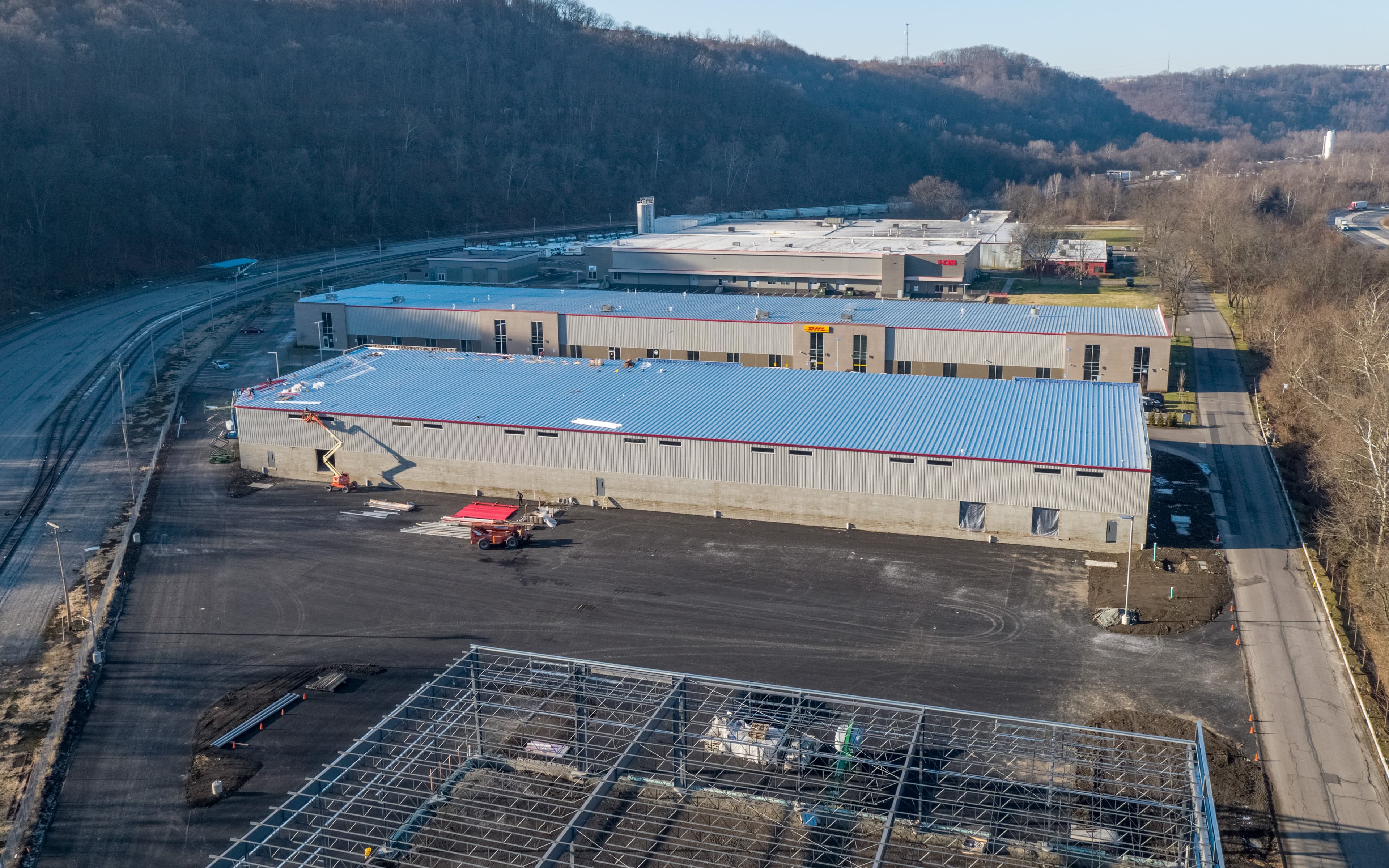
Why Steel Carport Kits Are the Best Choice for Durability

Why Steel Carport Kits Are the Best Choice for Durability
About NSB Specializing in designing and constructing high-quality steel buildings tailored to meet the needs of various industries. From simple structures to complex facilities, emphasizing durability, flexibility, and cost-efficiency.
Table of Contents
Summary

Steel carport kits emerge as the ultimate long-term shelter solution, outmuscling aluminum, wood, and fabric rivals with 250 % denser frames that shrug off heavy snow, 150-mph winds, and decades of abuse while requiring only a twice-yearly quick inspection. Readers learn how engineered cantilever designs, site-specific snow and wind ratings, and certified anchoring systems translate into 30-50 years of walk-away reliability, backed by 20- to 40-year warranties and stamped drawings that speed permits and cut insurance costs. The article demystifies modern coatings—hot-dip galvanizing for 50-year, maintenance-free rust defense or UV-stable powder coats in any color—showing how the right finish for coastal salt, humidity, or freeze-thaw cycles locks in value and slashes lifetime costs to a fraction of wood or fabric. It walks through fast, code-compliant installation, green credentials that pair with solar panels, and financing options that deliver turnkey protection in days, proving that choosing steel today saves hundreds of thousands in avoided maintenance and replacement costs tomorrow.

Why Steel Carport Kits Outperform Competing Materials

Steel carport kits shrug off 150 mph winds and 60 psf snow loads while outlasting wood, aluminum, and fabric by decades—no rot, no dents, no replacements, just 30-50 years of walk-away protection backed by 20- to 40-year warranties.

Comparative strength vs wood, aluminum, and fabric

You need a carport that won't buckle, rot, or blow away. Steel delivers. At 250% denser than aluminum, steel handles whatever nature throws at it—heavy snow, high winds, you name it [3]. That density means your structure resists dents and damage that would cripple aluminum frames [3]. Sure, aluminum resists corrosion naturally.

But when extreme weather hits, you need structural integrity, not just rust resistance [1][3]. Wood? You'll spend weekends treating rot, fighting warping, and spraying for pests—ongoing costs that drain your budget [2]. Fabric carports save money upfront but need replacement after a few seasons of real weather. Steel gives you strength, weather resistance, and walk-away reliability.

No constant maintenance. No weather worries. Just long-term protection that works [1][2].

Load‑bearing capacity and wind‑snow code compliance

Your local building code sets the bar. Steel clears it easily. Snow load requirements vary dramatically—Georgia needs just 0-10 psf capacity while West Virginia demands 20-30 psf [4]. Most steel carports handle 30-60 psf without breaking a sweat. That extra capacity matters when unexpected storms dump more snow than usual.

Wind resistance? Steel carports routinely achieve 90-140 mph ratings. Need hurricane protection? Reinforced designs reach 150+ mph [5]. Compare that to your state's average wind speeds—Tennessee sees 16 mph, Virginia averages 20 mph [4].

You're covered with margin to spare. Steel's strength means you meet code requirements today and stay standing through tomorrow's worst weather. No collapses. No failures. Just reliable protection year after year.

Warranty coverage and expected service life

Properly installed steel lasts 30-50+ years. That's decades longer than other materials [6]. Manufacturers back this durability with real warranty coverage—20-year rust-through protection on framing, up to 40 years on premium panels [8].

Wood carports? Good luck finding warranty coverage for rot, warping, or termites [6]. Fabric shelters might last a few seasons with minimal protection [7].

Steel delivers decades of service with comprehensive coverage. Professional installation maximizes both warranty protection and actual lifespan.

Environmental impact and recyclability of steel carport kits

Steel works with the environment, not against it. The U. S. recycles over 80 million tons of steel annually—more than any other material [9]. That recycled steel maintains full strength while using 74% less energy to produce than virgin material [9]. Choose wood?

You're contributing to deforestation. Choose steel? You're preserving forests that capture carbon [9]. Plus, steel structures last 50+ years in rural areas, 25+ years even in harsh coastal conditions [10]. Fewer replacements mean less waste in landfills. No chemical treatments needed either.

Wood requires regular doses of VOC-laden preservatives. Steel stays strong without poisoning your property [9][10]. Want to go greener? Steel carports readily support solar panel installation, turning your shelter into a power generator [9]. Bottom line: Steel protects your vehicles and the planet. That's value that compounds over decades.

Engineered Design Elements that Drive Durability

Engineered to your zip code’s snow, wind, and space demands, our steel carports use strategic load-sharing frames, cantilever spans, and pre-tested connections to deliver decades of open, post-free protection without a gram of wasted steel.

Optimized frame geometry and load distribution

Your steel carport's strength starts with smart engineering. We design each frame to handle your specific loads without wasting material—keeping your costs down while maintaining rock-solid durability [11]. The secret? Strategic force distribution. Your carport's beams work like a well-balanced team, with each component sharing the load exactly where it's strongest [11]. This means your structure handles heavy snow, high winds, and everything in between without breaking a sweat.

Standard designs handle 30 PSF snow loads and 100 MPH winds, but we customize for your exact location [12]. Need stronger specs for mountain snow or coastal hurricanes? We've got you covered with reinforced designs that meet any requirement. The cantilever design—beams extending from support columns—gives you maximum usable space underneath while maintaining exceptional strength [11]. No cluttered posts. No wasted square footage.

Just clean, open protection for your vehicles and equipment. We use advanced modeling software to test every design before manufacturing [11]. This catches potential weak points early, ensuring your carport arrives engineered for decades of reliable service. Smart column spacing, optimized trusses, and precision beam sizing mean you get exactly what you need—nothing more, nothing less. Every connection point gets special attention with reinforced joints and commercial-grade hardware [11]. These critical details make the difference between a carport that merely stands and one that performs flawlessly through decades of weather extremes.

Reinforced purlins, girts, and high‑grade connection hardware

Think of purlins and girts as your carport's skeleton—they're the horizontal steel beams that keep everything straight and strong [13].

Purlins support your roof panels while girts handle the walls, creating a complete system that shrugs off wind and snow [15].

Custom sizing for regional wind and snow requirements

Your carport needs to match your location—period. Mississippi might need just 10 psf snow capacity, while Minnesota requires 70+ psf [17]. Wind ratings? Standard 90-120 mph works most places, but coastal areas need 150+ mph hurricane-rated designs [5]. We don't guess.

Using the American Society of Civil Engineers' Hazard Tool, we pinpoint exact requirements for your address [16]. Your local building department sets the minimums—we make sure you meet or exceed them every time. Custom engineering for your region means: • Thicker frames where needed • Strategic truss upgrades • Optimized roof pitch • Reinforced anchoring • Additional bracing [17] Yes, higher ratings cost slightly more upfront. But consider the alternative—one storm could mean total replacement. Smart money invests in proper engineering from day one.

Every structure comes with stamped engineering drawings proving code compliance [17]. This documentation speeds up your permit process and often reduces insurance premiums. You get peace of mind knowing your investment is built right for your specific conditions.

Integrated anchoring systems and foundation options

Your carport is only as strong as what holds it down. Basic rebar stakes work for calm conditions, but certified wind and snow ratings demand serious anchoring [18]. Your anchor options depend on your foundation: • Soil: Helical augers that screw deep into the ground • Asphalt: Specialized barbed anchors designed for hard surfaces • Concrete: Expansion anchors that lock permanently in place [18] Concrete slabs (4-8" thick) provide the ultimate stability [19]. Gravel pads offer good drainage and lower costs, though you'll need mobile home anchors for proper wind certification [20].

Our installation teams evaluate your specific site—soil type, drainage, local weather patterns—then recommend the right foundation-anchor combination [19]. No guesswork. No overkill. Just the right solution for your situation.

Even the best anchors need occasional checking. A quick annual inspection of fasteners keeps your carport secure for decades [18]. Small maintenance today prevents big problems tomorrow—especially as detailed in our maintenance section.

Modern Coating Technologies for Long‑Term Corrosion Resistance

Choose between galvanized steel’s 50-year, self-healing zinc armor or powder coating’s color-any-way-you-want plastic shield—then let your ZIP code decide if salt-air toughness or curb-appeal wins.

Galvanized versus powder‑coat finishes for steel carport kits

You've got two finish options for your steel carport, and each brings different strengths to the table. Galvanized steel gives you the ultimate "set it and forget it" protection—zinc coating takes the hit from weather so your steel doesn't have to [23]. The galvanizing process puts your steel through a complete spa treatment: blasting clean, acid bath, then a hot zinc dip that bonds right to the metal [22]. This finish keeps working for 50+ years, actually healing small scratches before rust can start [22]. The trade-off?

You're stuck with that classic silver-gray look, and the process isn't exactly green [21][22]. Powder coating works differently—it wraps your steel in a tough plastic shield that blocks moisture completely [23]. We spray electrically charged powder that sticks like a magnet, then bake it into a rock-hard finish [22]. You get any color you want, perfect when appearance matters. Just know that in really harsh conditions, you'll need to check on it more often than galvanized steel [21][22].

Want the best of both worlds? Some manufacturers powder coat over galvanized steel. Takes special prep work to avoid bubbles during curing, but you get maximum protection plus the color you want [22]. Here's the bottom line on cost: powder coating saves money upfront, but galvanizing costs less over 30 years because you never touch it again [22][23]. Your location decides what's best—salt air near the coast demands galvanizing's toughness, while that carport visible from your office window might need powder coating's good looks [21][22].

UV‑stable and eco‑friendly coatings for diverse climates

Today's UV-resistant coatings tackle the sun's damage head-on, keeping your carport looking new for decades. Silicone-based coatings handle everything from -40°F winters to 300°F summer heat without breaking a sweat—they flex with temperature changes instead of cracking like older coatings [24]. If you're in Arizona or Minnesota, this flexibility matters. The industry has gone green without sacrificing protection. Water-based acrylics cut harmful VOC emissions by 75% while still blocking UV rays like a champ [26].

Your installation crew breathes easier, and so does the environment. These eco-friendly options cost about the same as the old toxic stuff but perform just as well [26]. The real game-changer? Nano-technology coatings that stop UV damage before it starts. Think of tiny particles that act like millions of microscopic umbrellas, blocking radiation at the molecular level [25].

In high-sun areas, these coatings last 30-40% longer than standard options [25]. Some manufacturers now offer self-healing coatings—scratch the surface, and tiny capsules burst open to seal the damage automatically [25]. Perfect for areas with wild temperature swings that normally crack coatings wide open.

Climate‑specific finish recommendations (coastal, high humidity, cold)

Your location determines which coating fights best for your carport. Live near the ocean? Salt spray travels for miles, attacking standard coatings. That's why coastal installations need zinc-aluminum-magnesium (ZAM®) alloy coatings—they heal themselves when scratched and laugh off salt damage that destroys regular galvanizing [27]. Can't get ZAM® coating? Go with a three-layer defense system: zinc-rich primer that sacrifices itself first, epoxy middle coat for strength, and polyurethane topcoat for UV protection [28].

Yes, it costs more upfront. No, you won't regret it when your neighbor's carport starts rusting in year three. High humidity regions like the Southeast need different armor. Moisture-cured urethane coatings actually use humidity to cure stronger—they perform better in damp conditions than standard coatings [28]. These specialized formulas lock out the moisture that turns regular steel into rust buckets. Freeze-thaw country demands flexibility.

Polysiloxane coatings bend without breaking when temperatures swing 80 degrees between summer and winter [29]. Standard coatings crack under this stress, letting moisture in to start the rust cycle. Here's what matters most: proper surface prep beats any fancy coating. The best coating on dirty steel fails faster than basic coating on clean metal [28]. We follow ISO12944 standards—CX rating for extreme coastal conditions, C5 for tough industrial environments [29]. Your location, your coating choice, your peace of mind.

Maintenance‑free finishes that reduce lifecycle costs

Want to install it and forget it? Hot-dip galvanizing delivers 50-75 years of protection without you lifting a finger [30]. Rural installations often hit the century mark—your great-grandkids might need to think about maintenance [30]. Here's how galvanizing protects your investment three ways at once: the zinc coating sacrifices itself before steel corrodes, creates a moisture barrier nothing penetrates, and develops a protective patina that self-seals over time [32]. It's like having three insurance policies on one carport. Let's talk real money.

Galvanized coating runs you about 3 cents per year over 30 years. Paint that same structure? You're looking at 15 cents annually—five times the cost [32]. That 80% savings comes from never scheduling repainting, never buying more paint, never paying labor for touch-ups [31]. Sure, painted steel might match your galvanized price tag on day one. But factor in recoating every 5-7 years, and those maintenance bills compound like credit card debt [32].

Each painting cycle means prep work, materials, labor, and lost use of your carport. Meanwhile, your galvanized structure keeps working, looking the same as installation day. Even in harsh industrial environments, galvanizing beats every other option on total cost [32]. When you're running the numbers on your steel carport, remember this: paying slightly more for galvanizing today saves you from writing maintenance checks for the next five decades [31].

Efficient Installation Practices and Code Assurance

Before a single post is planted, pull permits, call 811, pick a level site within 50 ft of parking, and anchor to code-matching concrete, gravel, or soil—then let certified pros finish in 1–2 weeks so your warranty and roof stay intact.

Site preparation checklist and foundation best practices

Site preparation sets the stage for your carport's decades of service. You'll need permits before breaking ground—check with your local building department to get specifics for your area [33][34]. Pick a level spot with room for your structure plus space for installation crews to work [33]. Call 811 to mark underground utilities before anyone digs [34].

Clear away vegetation and debris, then level the ground thoroughly [33][34]. Your foundation choice impacts both cost and longevity. As detailed in our anchoring systems discussion above, you have three main options: concrete slabs deliver maximum stability for harsh weather regions, gravel beds offer drainage benefits at lower cost, or prepared soil works for basic installations [34][35]. Each requires specific anchoring methods to meet wind ratings.

Keep your site accessible—crews need to park within 50 feet or you'll face extra charges [34]. Document every permit and inspection for insurance and future reference [35]. Smart prep work now prevents expensive fixes later.

Step‑by‑step assembly guide for DIY and professional installers

Whether you're tackling assembly yourself or watching our

When to engage certified installers for optimal results

Know when to call the pros. You'll need certified installers when local codes demand stamped engineering drawings or structural certification—they handle the paperwork that keeps inspectors happy [39]. Complex designs, custom features, or anything bigger than standard sizes benefit from experienced crews who've solved every alignment puzzle before [40]. Missing the right tools or construction experience?

Professional installation protects your investment from costly mistakes that compromise safety [41]. Our crews typically finish in 1-2 weeks—much faster than most DIY timelines [40]. In high-wind zones or heavy snow country, proper installation literally keeps your roof overhead. Professionals know exactly which anchoring methods your location demands [41].

Plus, many warranties require professional installation—DIY mistakes often void coverage completely [41]. Choose installers who show credentials readily, share previous work photos, and provide detailed written estimates upfront [39]. The right crew saves time, prevents headaches, and ensures your structure performs as engineered.

Ensuring local building code compliance and inspection readiness

Code compliance keeps your project smooth and legal. Contact your building department before ordering anything—they'll tell you exactly what your area requires [42]. Most places need permits for permanent structures, with rules changing based on size, use, and whether you're attaching to existing buildings [43]. Build your permit package early: – Site plan showing property lines and setbacks – Building plans with dimensions and materials – Engineering docs proving wind and snow ratings meet code [42] Many areas require stamped engineering drawings for metal structures. We provide these standard—no scrambling for documentation when deadlines loom [42].

Schedule inspections at the right times, not after everything's done. Most inspectors want to see foundations before concrete pours and framing before you close walls [44]. Keep permits on-site—inspectors show up unannounced. Never change approved plans without filing amendments first [42]. Professional installers boost your inspection success rate significantly.

They know local quirks and what inspectors focus on [44]. Before final inspection, verify everything matches plans, anchoring meets specs, and fasteners are properly torqued [42]. Skip permits at your own risk. Non-compliant structures bring fines, demolition orders, insurance denials, and problems when you sell [43]. Do it right the first time—it's always cheaper than fixing it later.

Lifetime Value: Maintenance, Cost Savings, and Ongoing Support

Spend just 4–6 hours a year on soap-and-water care and twice-yearly fastener checks, and your $10–$25-per-square-foot steel carport will outlast and out-save traditional construction by decades.

Routine inspections and simple upkeep for steel carport kits

Your steel carport needs just two inspections a year to deliver decades of reliable service. Mark your calendar for spring and fall—that's it. Check fasteners for tightness, scan for any rust spots at connection points, and verify your anchors haven't shifted [45][46][47]. Found exposed metal? Hit it with weathering-resistant enamel the same day. No waiting, no worrying [45].

Here's your annual cleaning routine: mild dish soap, warm water, soft brush. Work from top to bottom, rinse thoroughly, done in an hour [45][47]. Skip the pressure washer—it forces water where it shouldn't go [47]. Check your anchors after heavy storms, especially if you've had ground-saturating rain [46][47]. Notice water pooling near the base? Add gutters or improve grading before it becomes a problem [45].

Seasonal tasks take minutes, not hours. Summer: clear wasp nests from corners. Winter: brush off heavy snow accumulation. Spring and fall: clean gutters if installed [45][46]. That's 4-6 hours of maintenance per year for a structure that lasts 30-50 years [47]. You spend more time maintaining your lawnmower.

Cleaning methods that protect coatings without harsh chemicals

As covered in our coating technologies section, proper cleaning protects your investment without damaging finishes. The basics: dish soap, soft brush, cool water [48].

Never use solvents or abrasives that strip protective layers [49]. Coastal properties need monthly rinses to remove salt spray—inland locations can go quarterly [48][49].

For specific coating care based on your finish type (galvanized, powder-coated, or specialized UV-stable options), refer to the maintenance recommendations in Section 3. The key is consistency—regular gentle cleaning beats aggressive occasional scrubbing every time.

Cost‑benefit analysis: upfront price vs long‑term savings

Let's talk real numbers. Steel runs $10-$25 per square foot for materials, plus $10-$20 for installation. Traditional construction? You're looking at $35-$50 per square foot before labor even starts [50]. But here's where it gets interesting. Your annual maintenance on a 10,000 square foot steel structure: about $1,500-$2,500 (1% of initial cost).

Same size in traditional materials: $7,000-$20,000 yearly (2-4% of initial cost) [50]. That's $5,500-$17,500 staying in your pocket every single year. Add 10-20% energy savings from steel's superior thermal performance [50]. Factor in zero rot repairs, zero termite treatments, zero warping fixes. Run those numbers over 20 years: – Steel facility total cost: ~$350,000 – Traditional construction: $670,000-$1. 1 million [50] You save $320,000-$750,000.

Not percentages—actual dollars [50]. The speed advantage compounds these savings. Pre-drilled components mean faster assembly, earlier occupancy, quicker revenue generation [51]. Every week saved during construction is a week of operations gained. For businesses, that timeline difference alone can justify the steel choice before considering any other benefit [51].

Service options, financing, rebates, and single‑source support

You've got options beyond writing a big check. Traditional financing adapts to your credit profile, often with promotional rates that cut monthly payments [53]. Limited credit?

Rent-to-own programs get you building now with minimal down payment and no credit checks [53][54]. Most applications take under 10 minutes—fill out the form, get approval, lock in your specs [53]. Here's what single-source really means: Your price includes delivery and installation.

Professional crews who build steel structures every day handle everything from foundation anchoring to final inspection [54][52]. They complete most carports in 1-2 days—not the weeks DIY attempts typically require [54].

Key Takeaways
  1. Steel carports handle 30-60 psf snow loads and 90-140 mph winds, exceeding most codes.
  2. Galvanized coatings last 50+ years with near-zero maintenance, cutting lifetime costs 80%.
  3. Engineered designs are location-matched via ASCE Hazard Tool for precise snow/wind specs.
  4. Professional anchoring (helical, barbed, or expansion) is required to validate wind ratings.
  5. Biannual 10-minute fastener checks plus annual soap wash keep 30-50 year warranties intact.
  6. Recycled steel uses 74% less energy and supports solar panels, slashing environmental impact.
  7. Stamped engineering drawings come standard, speeding permits and often lowering insurance rates.
References
  1. https://carportsolution.com/news/steel-vs-aluminum-carports-comparing-strength-durability-and-cost/
  2. https://americansteelinc.com/blog/difference-between-steel-and-aluminum-carports/
  3. https://metalcarport.com/aluminum-carports-vs-steel-carports-pros-and-cons/
  4. https://americanmetalgarages.com/snow-load-vs-wind-speed-metal-buildings/
  5. https://valuemetalbuildings.com/blog/snow-load-and-wind-speed-ratings
  6. https://www.eaglecarports.com/blog/how-long-do-metal-garages-last
  7. https://www.shelterlogic.com/knowledge/fabric-vs-metal-carports-pros-and-cons-to-consider?srsltid=AfmBOormsDXc7szBdBWtvRQ2xW86bP458TrUakAEXhhnE5V3sh2hHCKB
  8. https://www.carportcentral.com/blog/what-does-a-metal-building-warranty-cover?srsltid=AfmBOorwfK91Oq8yz8SXT6jF4aFOLH73d3xlPESZa8HyA1cT84W0NkFd
  9. https://www.wellers.com/blog/the-environmental-benefits-of-choosing-a-metal-carport%7CZxc.html
  10. https://prestigesteelstructures.com/which-carport-i-better-wood-or-metal-carports/?srsltid=AfmBOoqxy0_dt7nSvOyGJq1XNnCaT3m1pxJH8ke6XvmzNH0YZ1TWITyn
  11. https://structville.com/design-of-cantilever-steel-carport-monopitch-canopy
  12. https://norcalcarports.com/news/advanced-plans-and-calculations-for-metal-carports/
  13. https://peb.steelprogroup.com/steel-structure/components/purlins/
  14. https://www.metalbuildingoutfitters.com/top-durable-metal-carport-designs-for-longevity/
  15. https://butlermfgparts.com/blog/what-are-purlins-and-girts
  16. https://thecarportco.com/resources/load-requirements/?srsltid=AfmBOooMkszI8obMokYs-ZwaLLrwmk11ylgDwnAyLNTP8l6tM9F9kZ1D
  17. https://www.aametalbuildings.com/blog/snow-load-wind-speed-requirements-for-metal-buildings-with-codes-pricing-impact?srsltid=AfmBOopaYhEylZcZNgGCUdAks-tJlnzZ93IO7t7D0wcAgnBg-aSQ4SjY
  18. https://www.carportcentral.com/blog/different-styles-of-anchors-for-metal-buildings?srsltid=AfmBOorwtWcf57KwLT7e0_TltO_ZO_AS4arGjU6IYLrTTcpAc74-Lsew
  19. https://alansfactoryoutlet.com/blog/types-of-foundation/?srsltid=AfmBOooPBOP9mlj5dfsVEZOpVK24XZ8zSDZCaaVwfBP97Pe_YNi3ojNS
  20. https://americansteelinc.com/blog/anchors-what-you-need-to-know/
  21. https://www.keystonekoating.com/blog/powder-coating-vs-galvanizing/
  22. https://www.americandrystripping.com/powder-coating-vs-galvanized/
  23. https://arpowdercoating.com/powder-coating-vs-galvanizing-which-is-better-for-industrial-applications/
  24. https://www.metalbuildingoutfitters.com/creating-long-lasting-metal-structures-for-any-weather/
  25. https://www.overtopnc.com/blog/rustproof-paint-innovative-coatings-for-metal-protection/
  26. https://dstchemicals.com/resources/knowledge/how-to-choose-the-best-coatings-to-protect-for-corrosion
  27. https://www.wheeling-nipponsteel.com/zam
  28. https://www.alpinepainting.com/blog/best-corrosion-resistant-coatings-for-coastal-industrial-facilities-in-nj
  29. https://industrial.sherwin-williams.com/emeai/gb/en/protective-marine/product-types/corrosion-protection.html
  30. https://www.hotdipgalvanizing.com/resources/faqs
  31. https://www.duncangalvanizing.com/life-cycle-costing-steel
  32. https://www.plantengineering.com/analyzing-true-costs-of-galvanizing-structural-steel/
  33. https://www.infinitycarports.com/knowledge-center/site-preparation/
  34. https://www.probuiltsteel.com/buying-guide/site-preparation-guide/?srsltid=AfmBOooDWZscRg5T-gV_2x22mETl5iJye2TWmPHEtUfAFsqZAmecyNzt
  35. https://www.eaglecarports.com/blog/metal-building-foundation
  36. https://torosteelbuildings.com/blog/steel-carport-kits-diy-installation-steps/
  37. https://futurebuildings.com/blog/guide-to-installing-a-metal-carport-kits-2.html
  38. https://iconsteelbuildings.com/metal-carport-installation/
  39. https://metalcarport.com/do-it-yourself-metal-carport-kit-or-hire-contractor/
  40. https://prometalbuildings.com/steel-building-kits-vs-fully-installed-metal-buildings/?srsltid=AfmBOoojA5azyfHI9suFVY-qHrfomjBHf3m3hn4VVo96ZxHGGgStspHb
  41. https://americancarportsinc.com/blog/carport-installation-diy-vs-professional/
  42. https://www.getcarports.com/metal-building-permit-checklists?srsltid=AfmBOoqVh3RIe9lS_Eq6MKXWJkQENMfpeqW1GhngXwWJrINJ2_NFEUJM
  43. https://bullbuildings.com/do-metal-carports-require-a-permit-what-you-need-to-know/
  44. https://alansfactoryoutlet.com/blog/carport-permits/?srsltid=AfmBOopnzfY0T4zbDlYvpx3OtiEQOomWc0vNv0GTiO3F1SWKr9vbqe1n
  45. https://bulldogsteelstructures.com/blog/carport-maintenance-a-step-by-step-guide-to-saving-your-investment/
  46. https://www.aametalbuildings.com/blog/how-to-extend-the-life-of-your-metal-building-12-maintenance-tips?srsltid=AfmBOor11y04h-iYOsZinVmVp4LfbsvgMDBr43RAyAoOnt9pyXdqggt0
  47. https://blog.rocketcitybuildings.com/metal-carport-maintenance/
  48. https://metalprobuildings.com/metal-carport-maintenance-tips/
  49. https://lane-enterprises.com/powder-coating-care-and-maintenance/
  50. https://www.summitsteelbuildings.com/20-year-cost-comparison
  51. https://bulldogsteelstructures.com/blog/exploring-the-cost-efficiency-of-metal-buildings-vs-traditional-construction/
  52. https://www.vikingsteelstructures.com/?srsltid=AfmBOorgn5TgaGmbfwFIbzclFzYwtq4gE8AdQfLyKVL8xVBWNa-YTJWN
  53. https://www.carportcentral.com/financing-carports-and-metal-buildings?srsltid=AfmBOorb7FjNAv-LODEw3sRY1cKrLpDlLzOI56g54popJUmCl0oSuLCK
  54. https://www.metalcarports.com/