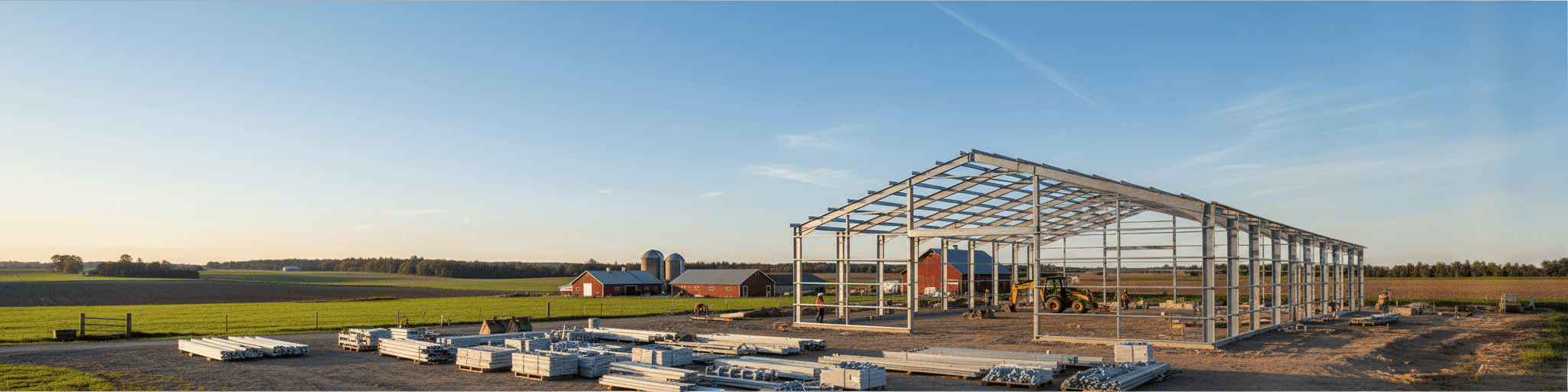

Modern farmers grappling with razor-thin margins, labor shortages, and volatile markets can slash infrastructure costs and future-proof their operations by switching to pre-engineered agricultural building kits—steel, Quonset, or hybrid systems—that arrive factory-cut and bolt-ready, cutting build time and labor expense in half while lasting over a century with only 1 % annual maintenance. This guide walks readers through choosing the right kit style for equipment, livestock, hay, or grain; capitalizing on tax deductions, USDA financing, and insurance savings that can recoup 30 % of project costs; and customizing clear-span frames, ventilation, insulation, and expansion-ready foundations so one building can evolve from machinery shed to processing plant. Along the way, it demystifies permits, warranties, and seasonal construction timing, showing how strategic site prep and energy-smart features like thermal breaks and ridge vents lock in decades of lower utility bills, fire and pest resistance, and instant equity. The takeaway: by swapping high-maintenance pole barns for precision-engineered steel that can be self-built up to 40×100 ft or professionally installed in 6–12 weeks, farmers gain durable, expandable shelter that protects yields, boosts operational efficiency, and frees capital for the next season’s growth.
Introduction
Pre-engineered agricultural buildings slash construction time and upfront costs while giving farmers a clear-span, expandable shelter that protects today's thin margins and tomorrow's growth.
The Modern Farmer's Challenge: Balancing Quality and Cost
Modern farmers face unprecedented financial pressures as they attempt to balance quality infrastructure investments with mounting operational costs. Input expenses for essentials like seeds, fertilizers, and equipment have spiked dramatically, with fertilizer costs eroding already thin profit margins.
This limits farmers' ability to invest in crucial infrastructure and technology upgrades that could improve long-term efficiency. Labor shortages have intensified these challenges, as an aging agricultural workforce struggles to maintain productivity without adequate support.
Market volatility and unpredictable commodity prices make it difficult to reliably forecast revenue between seasons, forcing many agricultural operations to delay critical infrastructure improvements. Understanding these pressures helps us design building solutions that deliver maximum value while respecting budget constraints.
The Rise of Pre-Engineered Agricultural Building Solutions
Pre-engineered agricultural buildings have emerged as a transformative solution for modern farming operations.
The global market's dramatic growth reflects increasing demand for sustainable and cost-effective construction solutions that address real agricultural needs.
These structures offer farmers complete control over building specifications while delivering the durability essential for protecting valuable assets.
How Agricultural Building Kits Are Revolutionizing Farm Construction
Agricultural building kits represent a fundamental shift in farm construction, streamlining the building process while maintaining quality and customization. These pre-engineered solutions arrive ready for assembly, dramatically reducing construction time compared to traditional methods—a benefit we'll explore in detail in the construction process section.
The clear-span design creates unobstructed spaces essential for modern farming operations, while the modular nature ensures your building can grow with your business. What makes these structures particularly valuable is their ability to address multiple challenges simultaneously: reducing initial investment, minimizing long-term maintenance, and providing the flexibility to adapt as agricultural operations evolve.
This comprehensive approach to farm infrastructure helps agricultural businesses build for both today's needs and tomorrow's opportunities.
Understanding Agricultural Building Kit Options
Metal buildings outlast pole barns by 40+ years, need virtually zero maintenance, and open 20-30 ft clear spans that let tractors, combines, and future expansion move freely—making the 15% higher upfront cost a one-time payment for a century of worry-free farming.
Steel vs. Pole Barn Kits: Comparing Popular Options
When choosing between pole barns and metal buildings for agricultural applications, understanding their fundamental differences helps ensure the right investment for your operation. Pole barns utilize wooden frame construction with posts spaced 8-12 feet apart, anchored directly into the ground or concrete footings. While they offer attractive initial pricing, these structures demand ongoing maintenance to combat rot, pest damage, and weather deterioration throughout their typical 60-year lifespan.
Metal buildings, constructed with solid steel frames bolted together on-site, represent a more durable solution. The engineered steel I-beam columns can be spaced 20-30 feet apart, creating expansive interior bays that maximize usable space and provide greater flexibility for equipment access. With proper care, these structures can serve your operation for over a century while providing superior protection against fire, pests, and severe weather conditions.
Though the initial investment runs approximately 15% higher than pole barns, metal buildings generate substantial long-term value through minimal maintenance requirements and insurance premium savings. For operations requiring large clear spans exceeding 60 feet or eave heights above 20 feet, metal buildings deliver the structural integrity and reliability that pole barns simply cannot match at scale. As discussed in our Budget Benefits section, these long-term advantages make metal buildings an increasingly popular choice for modern agricultural operations.
Pre-Engineered Metal Buildings for Agricultural Applications
Pre-engineered metal buildings transform how modern farms operate by combining exceptional strength with unparalleled flexibility.
Quonset and Arch-Style Agricultural Structures
Quonset and arch-style agricultural structures offer a time-tested solution that combines simplicity with remarkable strength. The distinctive arch shape isn't just visually appealing – it's an engineering advantage that naturally distributes loads across the entire structure, eliminating the need for interior support beams while maximizing every square foot of usable space. The corrugated steel construction creates an incredibly resilient building envelope. The arch design excels at shedding wind forces and supporting heavy snow loads, making these structures particularly well-suited for regions with challenging weather patterns.
With factory-applied finishes designed to last 30-40 years and structural warranties extending up to four decades, Quonset buildings require minimal upkeep compared to traditional agricultural structures. One of the most compelling features is their flexibility. The modular panel system allows you to expand your building by simply bolting on additional arch sections – no major reconstruction required. If your operation relocates, the entire structure can be disassembled and moved to your new site, protecting your infrastructure investment.
This adaptability extends to customization as well; modern Quonset buildings can incorporate sophisticated climate control systems, specialized door configurations, and ventilation designs tailored to specific agricultural needs. The bolt-together assembly system makes these structures accessible for farm operations looking to minimize construction costs through self-installation. Unlike traditional construction that requires coordinating multiple material deliveries and specialized trades, Quonset kits arrive as a complete package with clear assembly instructions. This streamlined approach, combined with their proven durability and preferential insurance rates due to fire resistance, makes arch-style buildings an increasingly popular choice for cost-conscious agricultural operations.
Hybrid and Customizable Kit Solutions
Hybrid building kits represent an innovative approach that merges the familiarity of traditional construction with the performance advantages of modern materials. By combining wood post frames with engineered steel truss roofing systems, these structures deliver both cost efficiency and enhanced durability – an ideal balance for agricultural operations watching their budgets. The steel truss component brings several key benefits to the design. Being lighter than solid wood trusses, they're easier to install while providing superior load-bearing capacity and wind resistance.
The prefabricated nature of these trusses accelerates construction timelines, helping you get your building operational faster. With ceiling heights ranging from 14 to 18 feet, hybrid buildings provide the vertical clearance needed for modern equipment while maintaining an appealing aesthetic that works well in both rural and commercial agricultural settings. The cost advantages are substantial – as detailed in our Budget Benefits section, these efficient construction methods can reduce building costs by over one-third compared to traditional approaches. The steel components naturally resist the insect damage and decay that plague all-wood structures, while metal roofing and siding systems carry extensive warranties that often extend 40 years or longer.
What truly sets modern building kits apart is their customization potential. Whether you need oversized doors for equipment access, sophisticated ventilation for livestock comfort, or specialized storage configurations for different crops, these buildings can be tailored to your exact specifications. Features like ventilated eaves, dutch doors for livestock facilities, and adaptable interior layouts ensure your building works as hard as you do. The combination of proven materials, modern engineering, and thoughtful design makes hybrid and customizable kit solutions an excellent choice for operations seeking maximum value from their infrastructure investment.
Budget Benefits of Agricultural Building Kits
Pre-engineered steel agricultural buildings slash both upfront and lifetime costs—delivering materials at just $17-20/sq ft, cutting annual maintenance to 1% versus 2-4% for wood, and potentially saving $40-100k over 20 years while earning 30% insurance discounts.
Initial Cost Analysis: Kit Construction vs. Traditional Methods
When evaluating agricultural building investments, the financial advantages of pre-engineered solutions become immediately clear. Modern steel building systems deliver materials at $17-20 per square foot, representing substantial savings over traditional construction approaches.
These efficiencies stem from our streamlined manufacturing processes and the precision of pre-engineered components that arrive ready for assembly, significantly reducing on-site labor requirements. The true value emerges when you consider the complete financial picture.
Long-Term ROI: Durability and Maintenance Savings
The return on investment for agricultural steel buildings extends far beyond initial construction savings. Your annual maintenance budget shrinks dramatically – typically just 1% of construction costs for steel structures compared to the 2-4% required for traditional wooden buildings. For a 10,000 square foot facility, this translates to thousands in annual savings that compound over your building's lifetime.
Steel's natural resistance to environmental threats – from rot and pests to moisture and fire – not only protects your investment but also qualifies you for substantial insurance premium reductions. As covered in our comparison of building types, these savings can reach 30% compared to traditional structures. Over two decades, the operational cost advantages become transformative, potentially saving $40,000 to $100,000 while maintaining superior resale values.
The financial benefits multiply when you factor in energy efficiency. Superior insulation and thermal properties, detailed in our Key Features section, help control heating and cooling expenses year-round. These sustainable advantages demonstrate why modern farmers increasingly view steel buildings not as expenses, but as strategic investments that strengthen their operations' financial foundation while providing the flexibility to expand as their businesses grow.
Hidden Financial Advantages: Insurance, Energy Efficiency, and Tax Benefits
Beyond the visible cost advantages, steel agricultural buildings unlock financial benefits that significantly impact your bottom line. Current tax legislation provides powerful incentives, allowing farmers to deduct up to $2. 5 million in qualified building expenses under Section 179, with permanent 100% bonus depreciation for qualifying property. These provisions transform infrastructure investments into immediate tax advantages.
Your steel building's fire-resistant properties deliver ongoing savings through reduced insurance premiums – benefits we've explored in previous sections. Additionally, many states offer specific agricultural incentives that can further offset construction costs. Beginning farmers may find special tax credits available, while established operations can leverage equipment purchase credits and conservation practice incentives. The building itself becomes a platform for additional savings opportunities.
The robust steel structure easily supports solar panel installations, potentially qualifying you for federal renewable energy tax credits covering up to 30% of system costs. When you combine these various financial advantages – from tax benefits to energy savings to insurance reductions – the true value of investing in quality steel construction becomes clear. Our team can help you identify which incentives apply to your specific situation and location.
Financing Options for Agricultural Building Kits
Securing financing for your agricultural building project has never been more accessible, with multiple lending options designed specifically for farming operations. The USDA Farm Service Agency leads the way with direct and guaranteed loan programs tailored for farm building construction and improvements. Whether you're an established operation or just beginning your farming journey, these programs provide pathways to affordable infrastructure investment. Operating loans can cover both equipment and construction costs, while Farm Ownership loans specifically support building purchases and improvements, including features that enhance soil and water conservation.
Farm Credit Services adds another dimension with facility-specific financing that adapts to agricultural realities – offering fixed, adjustable, or variable rates structured around your seasonal cash flows. Many of these programs include unique benefits like cash-back dividends that effectively reduce your borrowing costs. Agricultural credit associations understand the unique rhythms of farming, providing construction financing with repayment schedules aligned to harvest cycles and operational income patterns. Young, beginning, and small farmers often find specialized programs with expert guidance through the application process.
Our team regularly works with these lenders and can help connect you with financing options that match your operation's specific needs and growth plans. The key is starting the conversation early to ensure your financing aligns perfectly with your construction timeline.
Efficient Construction Process
Slash your build time and labor costs in half by snapping together pre-engineered steel panels that let a small crew erect a 40×100-foot barn in days, not weeks.
Time-Saving Advantages of Pre-Engineered Components
Pre-engineered components dramatically reduce construction timelines, completing projects in half the time of traditional methods through streamlined assembly of factory-fabricated parts. The manufacturing process optimizes framing components for efficient installation, with fewer pieces requiring assembly compared to conventional construction.
This accelerated timeline stems from predictable building materials that increase installation ease, while sophisticated three-dimensional designs provide instant structural integrity without requiring follow-up modifications. As outlined in our budget analysis, these time savings translate directly to reduced labor costs and faster return on investment.
DIY Installation: When and How Farmers Can Self-Construct
DIY installation of agricultural building kits offers significant cost savings for farmers with basic construction experience. Modern bolt-together kits enable self-construction of structures up to 40×100 feet with just a small experienced crew. The process is streamlined through comprehensive assembly guides and customer support resources that walk farmers through each construction phase.
Steel building kits arrive with pre-engineered, factory-fabricated components that fit together predictably, eliminating many of the variables typically encountered during traditional construction. However, successful DIY installation requires careful assessment of your team's capabilities. While the bolt-together design simplifies assembly, proper construction experience remains essential for ensuring structural integrity and safety.
Understanding your limitations helps determine whether professional installation might better serve your long-term interests. The modular nature of these kits provides the flexibility discussed in our multi-purpose design section, enabling farmers to remove end wall sheeting and add additional 20-25 foot bays to increase storage space as operations grow.
Professional Installation Considerations and Timeline Expectations
Professional installation of agricultural building kits requires careful coordination of multiple specialized teams. The process typically spans 6-12 weeks for standard projects, though timelines vary based on project complexity and local jurisdiction requirements. Spring marks the optimal construction season, with thawing ground and longer days creating ideal building conditions. Early scheduling remains essential since contractor availability becomes limited during peak periods.
The prefabricated components arrive ready for assembly, with standardized processes eliminating on-site cutting and measuring. While DIY installation remains possible for smaller structures, most farmers choose professional teams who understand the intricacies of steel frame assembly to ensure proper alignment and structural integrity. For larger agricultural structures, professional installation proves essential for properly integrating critical components like ventilation systems, insulation packages, and specialized doors – features that maximize the energy efficiency benefits detailed earlier. Weather considerations significantly impact installation schedules.
Warmer months offer more flexibility for customization work like outdoor features and specialty finishes, while providing stable conditions for concrete curing and steel assembly. The modular nature of these kits enables faster assembly compared to traditional construction methods, helping minimize weather-related delays while ensuring consistent quality across all building components.
Site Preparation and Foundation Requirements for Maximum Efficiency
Proper site preparation and foundation design are crucial for agricultural building success. The foundation must extend below the frost line and account for wind loads, which require heavier foundations than traditional buildings since metal structures act like large sails that need substantial anchoring. Foundation options include tie rods with column footings for horizontal force resistance, moment-resisting foundations that work like cantilevered retaining walls, and deep pier foundations that excel for agricultural applications by eliminating dependence on ground slabs.
A licensed structural engineer must design the foundations using the metal building's engineered drawings, as pre-engineered structures have more complex foundation requirements than conventional buildings. This engineering expertise ensures your investment stands strong for decades, supporting the long-term ROI advantages discussed in our budget analysis section. The soil characteristics significantly impact foundation stability and longevity, requiring thorough investigation before construction begins.
Critical factors include evaluating useable acreage through USDA's Web Soil Survey, conducting comprehensive soil testing for both fertility and contamination, and documenting existing infrastructure conditions. The foundation design process must account for snow loads affecting downward pressure and seismic requirements in high-risk zones, while also considering future expansion needs. Post-construction foundation modifications prove extremely difficult and expensive, making initial planning crucial for the expandability features that make these buildings so valuable for evolving farm operations.
Customizing Agricultural Building Kits for Specific Farm Needs
Every agricultural metal building can be precision-tailored—whether you're shielding million-dollar equipment, ventilating heat-belching dairy cows, or designing hay and grain storage that cuts dry-matter losses by up to two-thirds and turns storage into a profit center.
Equipment and Machinery Storage Solutions
As discussed in earlier sections, pre-engineered metal buildings excel at equipment protection through their clear-span capabilities and environmental resistance.
What makes these structures particularly valuable for machinery storage is the ability to customize every aspect for your specific equipment needs.
Livestock Housing and Animal Welfare Considerations
Creating optimal livestock environments requires understanding both animal needs and operational realities.
When planning your livestock facility, consider that dairy cattle generate substantial heat (600-700 watts per animal) and moisture (4-5 gallons daily), demanding thoughtful climate control solutions [32].
Hay, Grain, and Harvest Storage Optimizations
Proper hay storage design dramatically impacts feed quality and operational costs. Baling moisture content must stay under 22% for small square bales and 18% for round bales to prevent quality degradation, while storage temperatures should remain below 120°F to avoid excessive molding [32]. Strategic facility design minimizes losses – storing bales on well-drained surfaces like gravel, old tires, or pallets prevents ground moisture absorption that leads to spoilage [32]. For uncovered outdoor storage, position round bales end-to-end in north-south rows with 3 feet between rows to optimize airflow and sun exposure, as pyramid stacking can trap moisture and increase losses from 4% to over 10% [32].
Indoor storage reduces losses by approximately two-thirds compared to outdoor storage, with a 4-inch weathered layer on a 6-foot diameter round bale representing 21% dry matter loss – equivalent to $32 per ton in wasted feed value [32]. Strategic placement transforms grain storage from a necessary expense into a profit-enhancing asset. Positioning your facility near highways ensures reliable year-round access while reducing transportation costs to buyers [36]. We help you design layouts that support simultaneous loading and unloading operations, maximizing those precious daylight hours during harvest season.
The key is planning adequate maneuvering space from the start – it's far easier to build it right initially than to retrofit later [36]. While steel buildings excel for grain storage, some operations find fabric structures offer a cost-effective solution for hay storage, particularly when superior ventilation is the primary concern [37].
Multi-Purpose Designs for Evolving Farm Operations
The most successful agricultural operations plan for change from day one. Today's equipment storage might become tomorrow's farmers' market venue, or your processing area might need to expand into educational space. As we've discussed throughout this guide, the inherent flexibility of steel construction supports this evolution naturally.
What sets truly adaptable buildings apart are the details we help you plan: distributed utility connections that support any future layout, sliding partition systems that create instant flexibility, and overhead doors positioned to transform closed spaces into open-air venues [39]. Consider incorporating sustainable features like rainwater collection and strategic natural lighting – these elements reduce operating costs while demonstrating environmental stewardship to your community [39]. The goal is creating infrastructure that grows with your vision.
Whether you're diversifying into agritourism, adding value-added processing, or simply preparing for the unexpected, we help ensure your building investment remains an asset rather than a limitation. This forward-thinking approach to agricultural construction transforms a simple structure into a platform for your operation's future success.
Key Features That Maximize Value
Steel agricultural buildings fuse corrosion-proof galvanized frames, fire-resistant coatings, engineered roof pitches, and R-30 insulated panels to outlast pests, wind, snow, and 1,000°F blazes while slashing energy costs.
Weather and Climate Resistance Features
Steel agricultural buildings leverage sophisticated engineering to combat nature's harshest challenges. The key lies in how galvanized steel frames work with weather-resistant panel systems – the galvanization process creates a zinc coating that acts as a sacrificial layer, protecting the underlying steel from corrosion even when scratched or damaged [40].
This protection system combines with engineered load distribution that channels wind forces through rigid frame connections rather than allowing them to concentrate at weak points. Modern agricultural steel buildings incorporate calculated roof pitches (typically 1:12 to 4:12) that optimize snow shedding while maintaining structural efficiency [41].
The real advancement comes from integrated climate management – ridge vents work with eave openings to create natural convection currents, moving 3,000-5,000 cubic feet of air per minute without mechanical assistance. For operations requiring precise environmental control, insulated metal panels with R-values up to R-30 maintain temperature stability within 2-3 degrees, crucial for sensitive crop storage or livestock comfort [40].
Fire, Pest, and Environmental Protection
The protective advantages of steel construction address multiple farm vulnerabilities simultaneously. Steel's non-combustible properties mean it won't ignite below 1,000°F – far exceeding typical fire temperatures – while intumescent coatings on structural members expand when heated, creating an insulating char layer that maintains beam integrity for up to 4 hours [42]. This fire resistance proves especially critical for hay storage facilities where spontaneous combustion risks run high.
The pest protection stems from steel's inorganic composition – termites, carpenter ants, and wood-boring beetles simply cannot digest or nest in steel components [43]. Additionally, the tight-fitting panel connections and absence of organic materials eliminate harborage points for rodents. Modern steel buildings achieve this through precision-engineered panel overlaps and specialized closure strips that seal gaps smaller than 1/4 inch.
The moisture management system works through vapor barriers integrated into wall assemblies, preventing the condensation cycles that foster mold growth in traditional structures [44]. As detailed in our Budget Benefits section, these protective features generate substantial insurance savings beyond their practical advantages.
Expandability and Future-Proofing Options
Future-ready agricultural buildings start with strategic structural planning that anticipates growth. The expandability secret lies in the rigid frame system's inherent modularity – each frame functions as an independent structural unit connected through purlins and girts, allowing new frames to bolt directly to existing structures without load transfer complications [45].
When planning expansion capabilities, critical infrastructure oversizing makes the difference: 400-amp electrical services instead of 200-amp, 6-inch concrete floors instead of 4-inch, and stub-outs for future plumbing runs cost pennies on the dollar during initial construction versus retrofit expenses. Smart operators install chase walls – hollow steel stud walls that accommodate future wiring and plumbing without surface mounting.
Energy Efficiency and Sustainability Considerations
Energy efficiency in agricultural buildings requires understanding thermal dynamics and airflow patterns unique to farming operations. Thermal bridging – heat transfer through structural members – gets eliminated through thermal break technology that interrupts conductive pathways with non-conductive materials, reducing energy loss by up to 40% [46]. Strategic daylighting goes beyond simple window placement; translucent panels positioned at 15-20% of roof area provide 250-300 foot-candles of natural light during peak hours, sufficient for most agricultural tasks without electric lighting.
Modern ventilation design calculates air changes based on specific use – livestock facilities require 4-6 complete air changes per hour in summer, while grain storage needs just 0. 1-0. 2 CFM per bushel for moisture control [46].
Heat recovery ventilation captures 60-80% of exhaust air energy, pre-conditioning incoming fresh air to reduce heating costs. The sustainability advantage of steel extends beyond recyclability – its thermal mass helps moderate temperature swings, while reflective roof coatings with Solar Reflectance Index ratings above 78 can reduce cooling loads by 20-30% [41]. These integrated systems work together to create buildings that actively contribute to operational efficiency rather than simply housing operations.
Decision-Making Guide for Agricultural Building Kits
Before you buy any agricultural steel kit, systematically map your land’s true workable acreage, sun paths, drainage, water flow, existing infrastructure, and verify the supplier’s factory location, references, steel gauges, and expansion flexibility to lock in a durable, future-proof building.
Assessing Your Specific Agricultural Building Requirements
Evaluating agricultural building requirements demands systematic analysis of both operational needs and site conditions. Start by accurately calculating useable acreage, as it's easy to overestimate workable land when planning your steel building footprint. For livestock and crop storage considerations covered in our customization section, proper site assessment becomes the foundation for successful building placement.
Consider sun exposure strategically – production areas need adequate light exposure while livestock facilities benefit from strategic shade placement. Water access proves critical for operational success, making well flow rates and water quality testing essential pre-construction considerations. Infrastructure evaluation must document existing structures comprehensively – inspect and photograph all buildings, irrigation systems, and support facilities while identifying integration opportunities with your new steel structure.
Assess site drainage patterns carefully, as proper water management significantly impacts both building longevity and operational efficiency.
Questions to Ask Potential Kit Suppliers
When evaluating potential agricultural building kit suppliers, start by assessing their reliability and experience. Ask about their years in business, factory locations, and request references to verify their track record.
At National Steel Buildings Corp, we believe transparency builds trust – inquire about the sales team's expertise and their approach to finding cost-effective solutions for your specific needs. Examine the quality and versatility of the building system – verify if they offer pre-engineered kits with commercial-grade rigid steel and determine if their framing system accommodates your operational requirements.
Request detailed information about warranties, steel specifications, and panel gauges that ensure long-term durability.
Permitting, Zoning, and Compliance Considerations
Agricultural building permits vary significantly based on location and intended use, with costs ranging from minimal fees for farm structures to substantial investments for commercial facilities. Many jurisdictions require both zoning compliance and building code adherence before issuing permits, with zoning dictating allowable building position, setbacks, drainage requirements, and land use restrictions. Farms located within certified agricultural districts often receive valuable exemptions from certain local regulations, building codes, and professional stamping requirements for construction plans.
However, these exemptions don't eliminate all oversight – agricultural buildings must still comply with setback requirements and typically need separate permits for electrical, plumbing, or HVAC installations. The permitting process requires submitting comprehensive documentation including site plans, engineered blueprints, legal property descriptions, and plat surveys to local authorities. For optimal results, engage with local building officials early in your planning process, as regulations evolve and vary significantly by municipality.
Agricultural exemptions can streamline approval by removing certain code requirements, though fundamental zoning restrictions remain in effect. Working with experienced steel building manufacturers who understand local permitting complexities helps minimize delays and ensures full compliance.
Comparing Warranties and After-Sale Support
Agricultural building warranties vary significantly in their coverage and terms. Most manufacturers offer structural warranties covering frames, panels, and primary components, while separate warranties often apply to roofing systems, paint finishes, and workmanship quality. Steel frame warranties typically extend for decades with proper maintenance, demonstrating the long-term durability of quality steel construction. Key warranty considerations include transferability restrictions – most warranties remain with the original owner and don't transfer through property sales.
Coverage limitations typically exclude natural disasters, requiring separate insurance protection for events like hurricanes and earthquakes. The warranty claim process demands maintaining detailed documentation of all communications and agreements. Manufacturers often provide distinct coverage periods for different components – comprehensive warranties might offer extensive frame protection while having different terms for panel systems. After-sale support quality varies dramatically between providers, with response times and repair processes representing critical differentiators.
The most comprehensive warranties include rapid response mechanisms and dedicated technical teams for addressing any structural concerns. For optimal protection, verify specific coverage terms, understand maintenance requirements, confirm labor inclusion, and establish expected response times before finalizing your agricultural building investment.
Conclusion
Summarizing the Budget and Efficiency Benefits of Agricultural Building Kits
Agricultural building kits have transformed how modern farms approach infrastructure development, offering a compelling combination of cost-effectiveness and operational efficiency. As we've explored throughout this guide, these innovative structures deliver value far beyond their attractive initial pricing.
The financial advantages span from reduced construction costs to minimal maintenance requirements, creating a investment pathway that supports both immediate needs and long-term growth. The durability of steel construction particularly stands out – these buildings resist the environmental challenges that traditional structures struggle against, from pest damage to weather extremes.
This resilience translates directly into tangible benefits: lower insurance premiums, reduced energy costs through superior insulation, and maintenance expenses that represent a fraction of what wooden structures demand. When farmers choose steel building solutions, they're investing in infrastructure that maintains its value while supporting evolving operational needs.
Making an Informed Investment in Your Farm's Infrastructure
Making smart infrastructure decisions shapes the future of your farming operation. The beauty of modern agricultural building kits lies in their ability to adapt alongside your business, providing flexibility that traditional structures simply can't match.
As discussed in our Decision-Making Guide, successful projects begin with understanding your unique operational requirements and growth trajectory. The investment you make today in quality infrastructure pays dividends through improved efficiency, protected assets, and the ability to seize new opportunities as they arise.
Whether you're storing increasingly sophisticated equipment, expanding livestock operations, or diversifying into value-added processing, the right building solution provides the foundation for success.
Next Steps for Planning Your Agricultural Building Project
Your journey to better agricultural infrastructure starts with a single step: understanding what's possible. The comprehensive planning process we've outlined throughout this guide provides the roadmap, but partnering with experienced professionals transforms plans into reality. Taking action means evaluating your current situation, defining your goals, and connecting with experts who understand agricultural construction's unique demands.
Quality steel building manufacturers don't just deliver products – they provide ongoing support through every phase of your project, from initial design through future expansions. This partnership approach ensures your building continues meeting evolving needs while maximizing your investment. Ready to explore how agricultural building kits can transform your operation?
The combination of cost savings, durability, and adaptability makes this the ideal time to invest in your farm's future. Whether you're replacing aging structures, expanding operations, or starting fresh, modern steel buildings provide the foundation for agricultural success.
- Metal buildings cost 15% more upfront than pole barns but last 100+ years with minimal upkeep.
- Section 179 lets farmers deduct up to $2.5 million of building cost in year one.
- Pre-engineered kits cut build time by 50% and materials cost $17–20 per square foot.
- Steel frames spaced 20–30 ft apart create clear spans over 60 ft without interior posts.
- Annual maintenance drops to 1% of build cost versus 2–4% for wood structures.
- Arch-style Quonset kits can be bolted together by owners and expanded by adding more bays.
- Foundations must be engineered below frost line and anchor against wind loads unique to steel buildings.