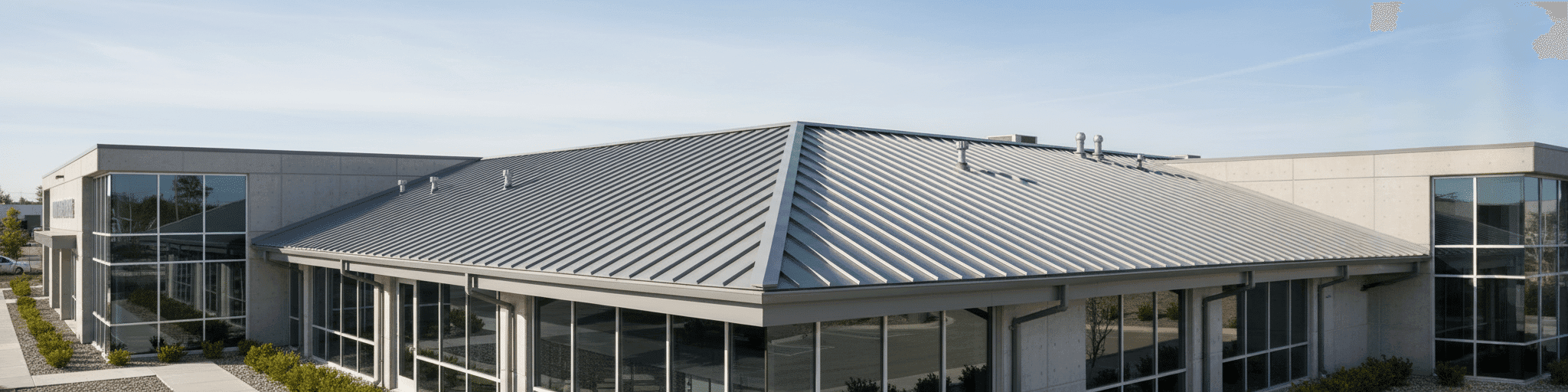

Metal roofing delivers an unmatched 40-70-year lifespan—up to five times longer than asphalt—by combining premium materials like Galvalume, aluminum, copper, or zinc with precision-engineered standing-seam designs, self-healing coatings, and ventilation systems that cut cooling costs up to 40%, slash insurance premiums 15-35%, and boost home value 1-6%. This comprehensive guide equips owners to maximize that longevity: it compares how each metal performs in coastal salt, hail, or thermal-cycling climates; explains why hidden-fastener panels outlast exposed-screw systems by 25 years; details maintenance schedules that prevent loose fasteners or coating failures; and walks through federal tax credits, energy savings, and avoided re-roof cycles that make metal 50% cheaper than shingles after 15 years. Readers will learn to select the right gauge, profile, and coating for their region, vet installers for thermal-movement expertise, and leverage Class-4 impact and 140-mph wind ratings to secure lifetime protection and financial payback on a roof that can outlive the building itself.
Introduction
Metal roofing now commands 18% of the residential market—up from just 3%—because one 40- to 70-year metal installation outlasts two or three asphalt roofs while cutting cooling costs up to 40% and earning insurance discounts for hail-resistant Class 4 ratings.
The Importance of Roof Longevity for Homeowners
Your roof serves as your building's primary defense against the elements, making its longevity a critical factor in protecting your investment. The lifespan of your roofing system directly impacts both immediate and long-term ownership costs – while traditional asphalt shingles require replacement every 15-20 years, high-quality metal roofing systems deliver 40-70 years of reliable protection or more.
This substantial difference means property owners typically face 2-3 complete asphalt roof replacements during the service life of a single metal roofing installation. Beyond fundamental weather protection, your roof's durability influences energy efficiency, maintenance requirements, and overall property value.
A properly engineered metal roof with appropriate installation and ventilation systems can reduce cooling costs by up to 40% compared to conventional materials. Understanding how your roof manages temperature fluctuations, moisture control, and severe weather resistance is essential for preventing costly structural damage while maintaining optimal interior conditions.
Metal Roofing's Rise in Popularity
Metal roofing has experienced remarkable growth in the residential market, expanding from just 3% to capturing 18% of total market share. This surge represents a fundamental shift in construction preferences, driven by increasing climate-related challenges and evolving property owner priorities.
The residential sector now accounts for 84% of all metal roofing installations nationwide, with demand significantly outpacing the availability of qualified installation professionals. Several key factors drive this expansion: insurance providers now offer substantial premium discounts for metal roofs achieving Class 4 hail resistance ratings, while building code authorities increasingly question whether traditional materials can adequately protect against severe weather events.
Today's metal roofing systems address previous aesthetic concerns through advanced coating technologies that enable diverse color options while maintaining superior energy efficiency – testing demonstrates that metal roofs can maintain attic temperatures 30+ degrees cooler than conventional asphalt systems. This powerful combination of durability, insurance advantages, and energy performance has generated unprecedented market demand, with 67% of contractors projecting continued growth in metal roofing installations.
What to Expect from This Guide on Metal Roof Lifespan
This comprehensive guide examines the critical factors that determine metal roof longevity, from material selection to professional installation quality.
You'll discover how different metal types perform over decades, with detailed comparisons between standing seam and exposed fastener systems – design choices that can impact lifespan by 25 years or more.
We'll explore how regional climate conditions affect durability, particularly in coastal environments and severe weather zones where material selection becomes crucial for long-term performance.
Average Lifespan of Metal Roofs: By the Numbers
Quality metal roofing delivers 40-70 years of protection—outlasting 2-3 asphalt roofs—by resisting cracking, warping, and weather damage through advanced coatings and 24-26-gauge steel construction.
The 40-70 Year Standard for Quality Metal Roofing
Quality metal roofing systems consistently deliver 40-70 years of protection, with premium materials extending even further.
This exceptional lifespan stems from advanced manufacturing processes that enhance durability through protective coatings like zinc galvanization and baked enamel finishes.
The inherent strength of metal prevents common issues like cracking or warping that plague traditional materials, while proper gauge selection – typically 24 or 26-gauge steel – provides the structural integrity needed for decades of performance.
Comparing Metal Roof Longevity to Traditional Asphalt Shingles (15-20 Years)
The stark contrast between metal and asphalt shingle lifespans reveals why savvy property owners are choosing metal roofing. While asphalt shingles typically need replacement after 15-20 years, quality metal roofs deliver 40-70 years of protection – a difference that means installing 2-3 complete asphalt roofs during the lifespan of a single metal system.
This durability gap stems from fundamental material differences: asphalt shingles remain vulnerable to water damage, mold, rot, pest intrusion, and wind damage, requiring frequent repairs and maintenance as they age. Metal roofs resist these common failure points through superior material strength, showing minimal degradation from weather exposure over decades.
Industry data confirms that asphalt roofs demand ongoing maintenance like shingle replacement, re-caulking, and sealing – recurring costs that metal roofs largely avoid. For commercial property owners and homeowners planning long-term ownership, this dramatic difference in replacement frequency makes metal roofing the most strategic investment despite higher initial costs.
Premium Metal Options That Can Last 70-100+ Years
Premium metal roofing materials deliver exceptional longevity that far exceeds standard options. As we'll explore in detail in the next section on metal roofing materials, copper stands out for its ability to last over 100 years while developing an attractive patina.
Zinc roofing offers similar century-plus durability thanks to its unique self-healing properties. These premium metals require minimal maintenance throughout their extended lifespan, making them particularly valuable for heritage properties and high-end architectural applications.
The superior performance stems from their natural corrosion resistance and ability to withstand severe weather conditions without degradation. While the upfront investment is higher than standard metal options, copper and zinc roofs often outlast the buildings they protect, providing unmatched value for discerning property owners.
Debunking the 'Lifetime Roof' Claim: What's Realistic?
While some companies advertise 'lifetime' products, it's important to understand realistic expectations from an engineering perspective. Quality metal roofs typically last 50 years with proper maintenance, backed by warranties ranging from 35-45 years for premium systems. The actual lifespan depends heavily on material choice and installation quality – galvalume-based panels commonly deliver 40-50 years of service, while painted systems using industrial-grade coatings can exceed 50 years.
However, factors like severe weather exposure, maintenance practices, and installation methods significantly impact longevity. Metal roofs can fail prematurely due to issues like improper screw installation leading to leaks, or damage from extreme conditions. The most durable options like copper and zinc can last 80-100 years, but marketing claims of indefinite lifespans oversimplify the various factors affecting roof performance.
A more accurate professional assessment is 40-70 years for standard metal roofing systems when properly installed by experienced contractors and maintained according to manufacturer specifications.
Metal Roofing Materials: How Different Metals Perform Over Time
From budget-smart galvanized steel to self-healing Galvalume and lightweight, salt-proof aluminum, matching the metal to your climate and design goals can lock in 40–70 years of maintenance-free protection.
Steel Roofing: Galvanized, Galvalume, and Weathering Steel Lifespans
When selecting steel roofing for your project, you'll encounter three primary options, each engineered for specific performance needs. Galvanized steel, our most budget-friendly choice, features a protective zinc coating through hot-dip processing that delivers 20-50 years of reliable service. While this option performs admirably in moderate climates, we recommend considering alternatives for coastal installations where salt exposure can accelerate wear. Galvalume steel represents the industry's sweet spot for durability and value.
Its innovative coating – 55% aluminum and 45% zinc – creates a self-healing barrier that maintains protection even when scratched. Though it commands a modest 5-15% premium over galvanized options, the investment pays off through enhanced corrosion resistance and superior reflective properties that help manage building temperatures. As discussed in our lifespan overview, Galvalume consistently achieves 40-70 years of service life. Weathering steel, commonly known as Corten, takes a unique approach by developing its own protective rust-like patina over time.
This distinctive option eliminates painting requirements and creates striking architectural statements. However, proper installation becomes critical – inadequate drainage design can lead to runoff staining on adjacent surfaces, making this material unsuitable for consistently wet climates.
Aluminum Roofing: Corrosion Resistance and Expected Durability
For projects in coastal regions or high-humidity environments, aluminum roofing stands out as an exceptional choice. The material's natural chemistry works in your favor – when exposed to oxygen, aluminum instantly forms a protective oxide layer that self-repairs if damaged. This inherent protection delivers 40-60 years of reliable performance without the need for additional metallic coatings. The lightweight nature of aluminum – just 0.
5-0. 75 pounds per square foot – offers significant advantages for building design. This represents approximately one-third the weight of steel roofing, allowing for reduced structural requirements while maintaining impressive strength-to-weight ratios. Additionally, aluminum's thinner profile enables rapid heat dissipation, translating to measurable energy savings through improved thermal performance.
Understanding aluminum's limitations helps set realistic expectations. Its softer composition means greater susceptibility to denting from hail impacts or maintenance foot traffic compared to steel alternatives. The material typically commands a 20-30% premium over steel options, though this investment often proves worthwhile for coastal projects.
Premium Metals: Copper and Zinc Longevity Profiles
As covered in our lifespan overview, copper and zinc occupy the premium tier of metal roofing, delivering century-level performance for discerning property owners. These materials offer unique benefits beyond their exceptional longevity. Copper's natural antimicrobial properties actively prevent algae and moss growth – a persistent challenge with other roofing materials. The metal's superior thermal conductivity allows it to handle extreme temperature swings without the fatigue that affects lesser materials.
Over time, copper develops its signature verdigris patina, transforming from bright metallic tones to distinctive green hues that enhance architectural character. Zinc brings its own advantages through remarkable self-healing properties. When surface scratches occur, zinc automatically forms a protective patina that regenerates continuously. This process accelerates in humid climates, typically achieving its mature blue-gray appearance within just a few years.
From an environmental perspective, zinc production requires approximately half the energy of copper manufacturing, though both materials achieve nearly 100% recyclability. Selecting between these premium options often depends on your specific project requirements. Zinc performs exceptionally well in suburban environments but may develop slight surface variations in industrial areas with high pollution. Copper, once its patina stabilizes, provides unmatched consistency and proven multi-century performance – making it the preferred choice for heritage restorations and landmark properties.
Protective Finishes and Coatings: Their Impact on Extending Lifespan
The right protective coating transforms good metal roofing into exceptional long-term protection. Understanding coating options helps you maximize your roofing investment through enhanced durability and performance. Acrylic coatings offer an economical entry point for UV protection and heat reflection. While they require more frequent reapplication than premium options, their cost-effectiveness makes them suitable for projects balancing initial investment with adequate protection.
For extreme environments, silicone coatings provide superior flexibility that accommodates thermal movement without cracking – though installers must account for their slippery surface characteristics during wet conditions. When your facility demands maximum durability, polyurethane coatings deliver unmatched chemical resistance and traffic tolerance. These high-performance systems protect against the moisture, oxygen, and pollutants that trigger metal deterioration, effectively extending your roof's service life by decades. Proper coating application proves just as critical as product selection.
Professional installation begins with meticulous surface preparation – pressure washing, damage repair, and appropriate priming create the foundation for optimal adhesion. In hot climates, quality reflective coatings serve double duty by reducing heat absorption while preventing the thermal stress that weakens seams and fasteners over time. Multiple coating layers applied by certified professionals create a seamless protective membrane that maximizes your metal roofing system's longevity and performance.
Roof System Design Factors That Influence Longevity
Choosing a standing seam over an exposed-fastener metal roof can add 20-plus years of life—up to 50 years total—by eliminating leak-prone exposed screws and relying on concealed clips that let the panels float with thermal movement.
Standing Seam vs. Exposed Fastener Systems: The 25-Year Difference
The choice between standing seam and exposed fastener systems represents a critical decision that can impact your roof's service life by 25 years or more. Standing seam systems deliver exceptional longevity of 40-50 years when professionally installed, while exposed fastener options typically provide 20-30 years of reliable service [6][27]. This substantial difference reflects fundamental engineering distinctions – standing seam panels utilize concealed fastening systems that accommodate natural thermal movement, whereas exposed fastener designs penetrate directly through the metal surface [27].
Those exposed fasteners become ongoing maintenance points, requiring inspection and potential replacement every 5-10 years as thermal cycling causes fastener holes to enlarge [27]. Standing seam configurations also feature premium Kynar 500 paint finishes engineered to maintain color integrity and protective qualities for three decades or more, while exposed fastener systems often utilize standard paint formulations [27]. For climate-controlled structures including residential and commercial buildings, standing seam technology proves especially valuable due to its superior expansion and contraction management [27].
With professional installation and proper ventilation design, standing seam metal roofing can exceed 50 years of service [28], justifying the additional investment through decades of trouble-free performance [28].
Installation Quality: Why It's Critical for Maximum Lifespan
Professional installation expertise determines whether your metal roofing investment delivers its full performance potential or encounters premature challenges [29].
Premium materials require precision installation techniques – from strategic fastener placement that accommodates thermal movement to specialized underlayment systems that prevent moisture intrusion and control acoustic properties [10].
Roof Pitch and Drainage Considerations
Roof pitch serves as a fundamental design parameter that governs water management and long-term metal roofing performance. Higher pitch angles accelerate water runoff, minimizing standing water risks that can challenge even the most robust roofing systems [31]. Industry standards establish 3/12 pitch as the baseline for metal roofing applications – representing 3 inches of vertical rise per 12 inches of horizontal distance – ensuring effective water shedding while maintaining structural integrity [32].
Low-slope applications below 4/12 pitch demand enhanced attention to detail, as reduced drainage velocity creates potential for water infiltration and accelerated material degradation [31]. Beyond moisture management, roof pitch influences maintenance requirements – steeper profiles naturally shed debris, reducing cleaning frequency and preserving protective coatings [31]. Regional climate considerations drive pitch recommendations, with high-precipitation zones often requiring minimum 6/12 pitch to handle intense storm events [31].
Professional design must evaluate local weather patterns, as areas experiencing severe storms benefit from steeper pitch angles that optimize drainage capacity and minimize water-related stress on roofing components [33].
Underlayment and Ventilation: The Hidden Heroes of Metal Roof Durability
Advanced underlayment and ventilation engineering forms the foundation of exceptional metal roof performance, though these critical components remain hidden from view. Effective ventilation design incorporates calculated intake ventilation at soffit locations balanced with ridge exhaust systems, establishing continuous airflow patterns that eliminate moisture accumulation and moderate temperature extremes [34].
Inadequate ventilation creates conditions where trapped heat and moisture degrade underlayment materials, potentially reducing system longevity well below the expected service life discussed earlier in this guide [35]. Properly engineered ventilation systems deliver comprehensive benefits: summer cooling load reduction through effective heat dissipation, prevention of moisture-related structural degradation, and elimination of ice dam formation in cold climate applications [34].
Metal roofing performance depends on integrated system design where each component contributes to overall durability and weather resistance [11]. Strategic ventilation removes moisture before it can compromise system integrity, while high-performance underlayment creates secondary defense against water infiltration, protecting both the metal panels and supporting structure for decades of reliable service [34].
Environmental Challenges and Metal Roof Durability
Engineered metal roofs conquer salt, humidity, and wind by pairing the right alloy—aluminum for coastlines, Galvalume for inland—with stainless fasteners, concealed attachments, and vigilant inspections to keep weathertight for decades.
How Different Climates Affect Metal Roof Performance
Metal roofs demonstrate remarkable adaptability across diverse climate conditions, with properly engineered systems maintaining weathertight performance through decades of seasonal extremes.
Coastal and High-Humidity Environments: Special Considerations
Coastal environments present unique challenges that require specialized consideration for metal roofing systems. Salt-laden air accelerates corrosion on unprotected metals, making material selection crucial for longevity near oceans or large bodies of water. Aluminum emerges as the premium choice for these conditions, naturally forming a protective oxide layer that resists salt corrosion without requiring additional coatings.
For projects further inland but still within coastal influence zones, Galvalume steel provides an excellent balance of durability and cost-effectiveness. The aluminum-zinc alloy coating offers enhanced protection compared to standard galvanized options, though regular maintenance becomes more critical to address any coating damage promptly. High-humidity environments, whether coastal or inland, demand attention to ventilation design to prevent moisture accumulation beneath panels.
Professional installation becomes even more critical in these challenging environments. Proper fastener selection – using stainless steel or specially coated fasteners – prevents premature failure from corrosion. Additionally, increased inspection frequency helps identify and address any issues before salt or moisture can compromise the roofing system's integrity.
Extreme Weather Resistance: Hail, Wind, and Snow Load Impacts
Building on the climate adaptability discussed above, metal roofing systems excel specifically in extreme weather events through purposeful engineering. Wind resistance comes from more than just strong materials – it requires understanding aerodynamics and proper installation techniques. The smooth surface of metal panels allows wind to flow over the roof rather than catching underneath, while concealed fastener systems eliminate potential weak points.
For hail protection, metal roofing's impact resistance depends on both material thickness and panel profile design. Thicker gauge metals naturally resist denting better, while certain panel profiles distribute impact energy more effectively. The UL2218 Class 4 rating represents the highest level of impact resistance available, achieved through rigorous testing that simulates severe hail conditions.
In snow-prone regions, metal's smooth surface provides natural advantages, allowing snow to slide off before dangerous accumulations develop. However, this characteristic requires thoughtful design consideration – strategic placement of snow guards prevents sudden avalanches while maintaining the roof's ability to shed snow gradually. The key lies in balancing snow management with structural load considerations, ensuring the building can handle both the dynamic loads of sliding snow and the static loads of temporary accumulation.
UV Exposure and Temperature Fluctuations: Managing Expansion and Contraction
As discussed in the Roof System Design section, metal's natural expansion and contraction with temperature changes requires thoughtful engineering solutions. UV exposure intensifies these thermal cycles, making proper installation techniques even more critical. Daily temperature swings can cause metal panels to move significantly over their lifetime – a 100-foot roof section might expand and contract by an inch or more between summer heat and winter cold.
Professional installers address this challenge through specialized fastening systems that allow controlled movement. Rather than fighting thermal expansion, these systems work with it, using sliding clips and slotted connections that accommodate panel movement while maintaining weather-tight integrity. The choice of coating also plays a crucial role – highly reflective finishes can reduce surface temperatures by 50 degrees or more compared to dark colors, significantly decreasing thermal movement.
For building owners, understanding thermal cycling helps explain why regular maintenance matters. Even the best installation can benefit from periodic inspection to ensure fasteners remain properly tensioned and that thermal movement hasn't created new stress points. This proactive approach ensures the roofing system continues performing effectively throughout its extended service life, regardless of temperature extremes.
Maintaining Your Metal Roof for Maximum Lifespan
Proactive annual inspections that scrutinize fasteners, sealants, flashing, and debris buildup can prevent minor issues from escalating into costly failures and extend your metal roof’s lifespan.
Essential Maintenance Schedule for Different Metal Roofing Types
Different metal roofing types require specific maintenance schedules to maximize their exceptional durability.
Standard steel roofs need annual inspections to check for loose fasteners, minor leaks, and worn sealant before small issues escalate into major problems.
Inspection Protocols: What to Look For and When
Regular inspection protocols should follow a structured approach focused on key vulnerability points. Metal roofs need thorough evaluation at least once annually, with coastal or severe weather regions requiring more frequent checks. A comprehensive inspection examines fasteners, rivets, and screws for signs of loosening or damage, particularly on exposed fastener systems where thermal movement (as discussed in the Environmental Challenges section) can cause backing out over time.
Critical areas include panel seams, which must be checked for separation or movement, and flashing materials that commonly initiate leaks when compromised. Inspectors should evaluate sealants around penetration points, paying special attention to rubber flashings like vent pipe boots that degrade from UV exposure. The inspection must also assess potential puncture damage from debris, especially in regions prone to extreme weather events.
For buildings near trees or in high-debris areas, inspections should verify no branches contact the roof surface, as this can damage protective coatings and potentially void warranties. Professional inspectors also examine for dissimilar metal contact that could trigger galvanic corrosion, particularly with certain roofing systems that react adversely to copper, iron, or treated lumber.
Addressing Common Issues Before They Compromise Longevity
Proactively addressing common metal roof issues prevents costly repairs and maximizes system longevity. Loose fasteners require immediate attention since temperature fluctuations and wind can cause them to back out over time, leading to leaks if left unchecked.
Regular inspection should focus on potential storm damage like dents or holes from falling branches, while debris accumulation must be cleared promptly to prevent trapped moisture that accelerates corrosion. For coastal installations (covered extensively in the Environmental Challenges section), monitoring protective coatings becomes crucial – any signs of coating wear or peeling warrant professional assessment.
Proper ventilation, as detailed in the Roof System Design section, plays a vital role in preventing premature aging by managing heat and moisture buildup. When minor issues arise, addressing them immediately with appropriate sealants and repair methods prevents escalation into major structural problems that could require costly premature replacement.
Professional Maintenance vs. DIY Approaches
When it comes to ongoing maintenance, building owners face a choice between professional service and DIY approaches. While basic maintenance tasks like debris removal and visual inspections can be handled by property owners, more complex maintenance requires specialized expertise. Professional maintenance teams bring essential knowledge about proper inspection techniques, appropriate repair materials, and safety protocols for working on metal roofing systems.
They can identify subtle signs of wear that untrained eyes might miss, such as early-stage coating degradation or minor seam separation. Additionally, professional maintenance services often include detailed documentation and reporting that helps track roof condition over time and supports warranty claims when needed. DIY maintenance attempts on critical components risk voiding manufacturer warranties and may inadvertently cause damage through improper techniques or materials.
For optimal results, a hybrid approach works best – property owners handling routine debris clearing and visual checks, while scheduling professional inspections and repairs annually or after severe weather events. This balanced strategy ensures your metal roofing investment delivers its full performance potential while maintaining warranty protection.
The Economics of Metal Roof Longevity
A metal roof's $15,000-45,000 upfront cost flips into a money-saving machine—becoming 50% cheaper than asphalt after 15 years, slashing cooling bills 25%, unlocking 10-35% insurance discounts, and boosting home value by up to 6% while you pocket up to 30% back in tax credits through 2032.
Initial Investment vs. Lifetime Value Analysis
Metal roofs require a higher upfront investment of $15,000-45,000 for an average home, but the long-term value proposition becomes clear when analyzing total ownership costs. After 15 years, metal roofing becomes 50% cheaper than traditional options, and over a 30-year span, asphalt shingles cost about three times more due to required replacements.
The financial benefits extend beyond durability – metal roofs can reduce cooling costs by up to 25% through superior energy efficiency, while also qualifying for insurance premium discounts of 10-35% due to their fire and weather resistance. Property value impacts are equally compelling, with metal roofs increasing home values by 85-95% of the installation cost – translating to 1-6% more value than homes with asphalt shingles.
Starting in 2023, homeowners can claim up to 30% of qualified expenses through the Energy Efficient Home Improvement Credit, with this opportunity extending through 2032. When combined with potential state and utility company rebates, these incentives help offset the initial investment while delivering decades of protection and performance benefits.
Replacement Frequency: One Metal Roof vs. Multiple Asphalt Roofs
As detailed in earlier sections about metal roof longevity, the replacement frequency difference creates a stark contrast in lifetime costs. This replacement pattern significantly impacts total ownership expenses – when you factor in the need for 2-3 asphalt roof replacements during a single metal roof's lifespan, the economics shift dramatically in metal's favor.
The durability advantage we've explored throughout this guide translates directly to your bottom line. For property owners focused on long-term value, understanding these replacement cycles is crucial.
Energy Savings Over the Decades
Metal roofs deliver substantial energy savings through multiple mechanisms that compound over decades of use. The reflective properties of metal panels can reflect up to 70% of solar energy back into the atmosphere, dramatically reducing heat absorption compared to traditional materials. This superior reflectivity, combined with metal's high thermal emittance, allows buildings to maintain cooler temperatures naturally – translating to energy cost reductions of up to 40% during summer months.
The efficiency gains stem from metal roofing's unique atomic structure, where free-flowing electrons enable rapid heat transfer and emission back into the atmosphere rather than into the building. Installation methods further enhance these benefits – metal roofs installed on battens create vital air gaps that promote ventilation and prevent heat buildup in attics, while even direct-to-deck metal products include engineered airspaces that improve efficiency by 30. 3% compared to asphalt shingles.
The energy advantages persist year-round, as metal's durability maintains these performance characteristics for decades without degradation. For commercial property owners especially, these energy savings represent a significant operational cost reduction that improves the bottom line year after year.
Insurance Benefits and Reduced Repair Costs
Metal roofs qualify property owners for significant insurance discounts due to their superior durability and weather resistance. Insurance providers offer premium reductions ranging from 15-25% for buildings with metal roofs, with some regions seeing discounts up to 35% in areas prone to severe hail. These discounts stem from metal roofing's Class 4 impact resistance rating, which requires passing rigorous UL 2218 testing involving steel ball drops that simulate extreme hail conditions.
The savings extend beyond premium reductions – metal roofs typically carry higher wind resistance ratings up to 140 mph, reducing the risk of storm damage claims that could trigger costly hurricane or wind/hail deductibles ranging from 1-5% of a building's insured value. For a $400,000 property, this deductible protection alone could save owners $4,000-$20,000 in out-of-pocket costs during a major weather event. Insurance companies have recognized that properly engineered and installed metal roof systems lead to fewer claims and lower repair costs, particularly in regions experiencing frequent severe weather.
To qualify for these insurance benefits, property owners must provide documentation proving their metal roof meets UL or FM testing requirements – something quality manufacturers and installers should readily provide.
Conclusion
Key Takeaways About Metal Roof Lifespan
Throughout this guide, we've explored how metal roofing transforms the traditional concept of roof replacement from a recurring expense into a one-time investment. The exceptional durability we've discussed – from standard systems to premium options – represents more than just numbers; it reflects decades of engineering advancement and proven performance.
As covered in our materials comparison, each metal type offers distinct advantages suited to different needs and environments. The critical factors we've examined – from installation quality to proper maintenance – all work together to deliver the remarkable longevity that sets metal roofing apart.
What emerges is a clear picture: when you choose metal roofing, you're selecting a system engineered to protect your investment through generations of service, backed by the science and real-world performance data we've detailed throughout this guide.
Making an Informed Decision Based on Long-Term Value
As we've demonstrated in the economics analysis, the true value of metal roofing extends far beyond its impressive lifespan. The financial advantages compound over time – from energy savings and insurance benefits to increased property values and avoided replacement costs.
Current federal tax incentives make this an especially opportune time to invest, while the long-term protection against inflation through avoided future replacements adds another layer of financial security. Understanding these benefits helps shift the perspective from viewing metal roofing as an expense to recognizing it as a strategic investment in your property's future.
The combination of immediate incentives and decades of cumulative savings creates a compelling case that resonates with homeowners seeking both value and peace of mind.
Next Steps for Homeowners Considering Metal Roofing
Your journey to a lasting metal roof begins with partnering with experienced professionals who understand the nuances of metal roofing systems. As you've learned throughout this guide, success depends on making informed choices at each step – from selecting the right material for your climate to ensuring proper installation techniques. Consider developing a checklist based on the key factors we've covered: system type preferences, local weather challenges, aesthetic goals, and long-term maintenance capabilities.
When meeting with contractors, focus on their specific metal roofing expertise, installation methodologies, and commitment to using quality components like proper underlayment and ventilation systems. Remember that the decisions you make today will impact your home's protection and performance for decades to come. By applying the knowledge from this guide and working with qualified professionals, you're positioned to make choices that deliver exceptional value and peace of mind.
The investment in quality installation and materials pays dividends through decades of reliable protection, making metal roofing a decision you'll appreciate more with each passing year.
Learn More About Long-Lasting Metal Roofing
Discover how National Steel Buildings Corp's high-quality, long-lasting metal roofing solutions can transform your building with unmatched durability and value.
Ready to Explore Metal Roofing for Your Project?
At National Steel Buildings Corp, we specialize in providing comprehensive steel building solutions that include high-quality
- Metal roofs last 40–70 years—2–3× longer than asphalt shingles.
- Standing-seam systems outlast exposed-fastener roofs by ~25 years.
- Aluminum beats steel within one mile of saltwater; copper/zinc top 100 years.
- Proper ventilation and coating can cut cooling costs up to 40%.
- Class 4 impact rating earns 15–35% insurance premium discounts.
- Annual pro inspections prevent fastener back-out and coating failures.
- Energy savings + rebates offset higher upfront cost after ~15 years.