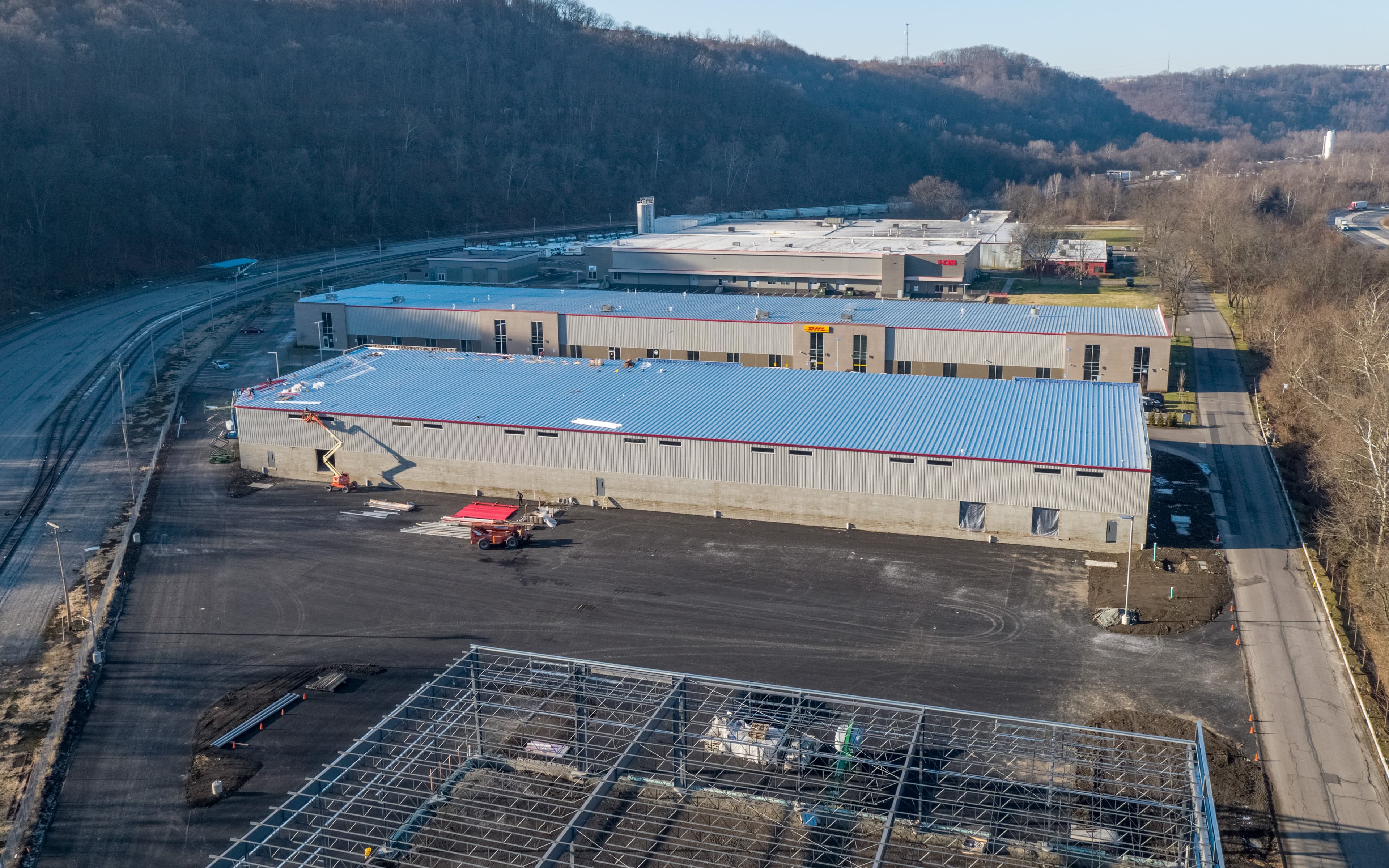
Steel Carports vs. Garages: Which Costs Less?

Steel Carports vs. Garages: Which Costs Less?
Summary

We help you compare steel carports and garages across upfront cost, long-term maintenance, and resale value to match your actual protection needs and climate. A carport costs less initially but delivers minimal property value return, while a garage commands a higher price yet typically recovers most of that investment at resale plus a decade of secure, climate-controlled space.

Understanding the True Cost Difference Between Steel Carports and Garages

A carport typically delivers more value per dollar spent than a garage, especially when your property currently lacks covered parking.

Why carports and garages aren't directly comparable on price alone

The headline price gap is real — carports average $3,600 while garages average $28,660 — but treating this as a straightforward budget decision misses the point.[1] These two structures solve fundamentally different problems.

A carport is a roof on posts with open sides: solid protection from sun, rain, hail, and falling debris, but no defense against theft, vandalism, or temperature extremes.[1] A garage adds four enclosed walls, a lockable door, and the option to heat or cool the interior, converting a parking spot into a climate-controlled, secure workspace or storage facility.[1] Property value math also cuts differently for each.

A quality carport returns roughly 50-75% of its installation cost in added home value — and can return its full cost in hail-prone regions like Texas and Oklahoma or high-sun markets across the Southwest — while a garage typically adds more total resale value but at a much steeper upfront price.[2] That means a carport usually delivers more value per dollar spent, particularly when your property has no existing covered parking.[2] When you're evaluating steel carports near me, the productive question isn't which structure costs less to build — it's which investment matches your protection needs, climate, and long-term return.[2] Permit requirements shift the calculus further: carports sometimes qualify for simplified or waived permits in certain jurisdictions, while garages almost universally require full permitting, zoning review, and compliance with specific electrical and material standards, each adding real cost and timeline before a single post goes in the ground.[1]

Initial installation costs: carports start lower, but garages offer different value

The cost gap becomes clearer when you break it into components. A single-car steel carport lands between $2,640 and $4,800 installed; a two-car version runs $4,950-$9,000.[4] Steel garages start at $8,000-$20,000 for a basic single-car structure and climb past $35,000 once insulation, electrical rough-in, or interior finishes enter the picture.[4] Foundation work widens the gap further: a garage requires a full concrete slab at $3,000-$8,000 before any framing begins, while carports typically anchor to piers or footings at a fraction of that expense.[4] Labor on a carport installation runs 20%-40% of the total project cost — so on an $8,000 carport, expect $1,600-$3,200 in labor fees alone.[4]

Cost componentSteel carportSteel garage
Structure$2,640-$9,000$8,000-$35,000+
FoundationPiers or footingsFull concrete slab: $3,000-$8,000
Labor share20%-40% of totalIncluded in contractor bid
Install timeline1-3 days1-2 weeks

What the garage's higher price actually buys is capability, not just square footage. A fully enclosed steel garage supports insulation (R-13 to R-30 depending on climate), electrical rough-in, interior conditioning, and a lockable overhead door — converting covered parking into a functional workshop, secure storage room, or climate-controlled facility.[4] A carport's open-sided design cannot support any of those additions without essentially becoming a garage.[1] If your requirement is covered parking in a moderate climate, a steel carport delivers that outcome within budget and fast. If you need year-round temperature control, secured storage, or a working environment, the garage's upfront premium is paying for a structurally different category of building.

The hidden cost factor most property owners overlook

The conversion trap is where most budgets quietly break down. Build a carport now, decide you need enclosure within three to five years, and adding walls, doors, and a proper foundation to the existing structure typically runs $8,000-$15,000 in additional labor and materials — often more than the original carport cost.[3] That arithmetic usually makes building the garage from the start cheaper than a phased approach, assuming enclosure is a realistic near-term need.[3] The rule of thumb: if there's a 50% or better chance you'll want four walls within five years, build them now.[3]

Insurance is the cost layer most buyers skip entirely. Some carriers reduce premiums for enclosed, lockable storage because a locked door eliminates most opportunistic theft — and annual savings compounded over a 10-year horizon can materially offset the garage's higher upfront price.[3] Vehicles, tools, and equipment under an open carport are visible and accessible in a way a secured structure is not, and that visibility affects what your insurer charges you for the coverage.[3] Check with your carrier before you commit to either structure — the premium difference varies by policy, but it's real and worth quantifying before you sign a contract. For a detailed look at how steel garage building features affect long-term value, the specs matter more than most buyers realize at the planning stage.

EV charging infrastructure adds a third dimension that's easy to miss in 2026 budgets. A Level 2 charger (240V) installed under an open carport requires weatherproof housing and exposed wiring management; the identical charger inside a garage is a straightforward interior installation.[3] As EV adoption grows, enclosed garages are increasingly preferred for charger protection, cable management, and year-round usability — and that preference is already showing up in buyer behavior when properties sell.[3] If home charging is on your roadmap, the electrical rough-in cost belongs in your carport-versus-garage comparison from day one.

Steel Carports: Lower Upfront Investment with Trade-Offs

A 20×20 steel carport typically costs $6,000-$10,000 installed, but foundation choice and site prep can easily push your budget higher, so price those variables before committing.

How much is a 20×20 carport installed and what that price includes

A 20×20 steel carport covers 400 square feet — enough for two standard vehicles parked side by side, with roughly 8-9 feet of width per car and clearance between them.[6] Total installed cost runs $3,500-$18,000, with most property owners landing in the $6,000-$10,000 range for a professionally installed steel structure.[6] That spread reflects material type, foundation choice, roof style, and regional labor rates — not footprint size alone.[6] At $10-$30 per square foot all-in, a basic steel kit on a flat, prepared surface lands at the low end; a custom wood carport with a shingled roof and full concrete slab pushes past $15,000.[5][6]

What the base price actually includes depends on how you buy. Prefabricated steel 20×20 carport kits from suppliers like Alan's Factory Outlet bundle pre-punched framing, hardware, and roof panels for $1,800-$3,800 before delivery — with delivery adding $150-$500 depending on distance.[6] When installation is included by the supplier, a fully assembled 20×20 steel carport with materials, delivery, and labor runs $3,500-$6,500 total.[6] What that quote does not cover: site grading, the foundation, permits, and upgrades like enclosed sides, gutters, or electrical outlets.[5][6] Those line items are where budgets quietly expand, so price them out before you sign anything.

Foundation choice is the single biggest cost variable after material selection. Here are your four main options for a 20×20 footprint, ranked by cost and durability:

Foundation typeTypical costBest for
Earth anchorsIncluded with basic kitsLow-wind climates, temporary use
Gravel base + concrete footings$700-$1,500Most residential installs
Asphalt anchoringMinimal added costExisting driveway extensions
Full 4-inch reinforced concrete slab$1,600-$4,000Permanent structures, future conversion

Earth anchors perform poorly in sandy soil or high-wind areas and some jurisdictions won't approve permits for structures anchored this way.[6] A gravel base with concrete footings poured at each post location — typically 10-12 inches in diameter and 24-48 inches deep — is the most practical mid-range solution: solid anchoring, good drainage, driveable surface.[6] If you're building on an existing asphalt driveway, you may be able to anchor posts directly through the asphalt using anchor bolts, avoiding re-surfacing costs entirely — though the asphalt base needs to be at least 3-4 inches thick.[6] A full concrete slab adds $1,600-$4,000 for a standard 4-inch pour, or $2,500-$5,500 for a 6-inch reinforced version that handles heavier vehicle loads and positions the structure for a future garage conversion.[6] For a deeper look at what drives slab costs on similarly sized footprints, the 30×40 concrete slab cost breakdown covers the thickness decision and per-square-foot pricing in detail.

Roof style affects both price and performance in ways most buyers don't anticipate. Steel carports come in three standard configurations: regular (rounded corner trim), boxed eave (flat horizontal trim), and vertical (panels run parallel to the end walls).[6] The vertical roof costs $300-$700 more than the regular style but sheds rain, debris, and snow immediately rather than letting material accumulate on horizontal panels.[6] In any region with more than 20 inches of annual snowfall, that upgrade is worth every dollar — panel damage and structural stress from snow loading are the most common repair triggers on basic-style carports.[6] For wood carports, gable roofs add 15-25% over a shed roof due to framing complexity but are visually proportionate on a 20×20 structure.[6]

Labor typically accounts for 30-50% of your total installed cost.[6] A two-person crew can assemble a steel kit on a prepared surface in one to two days; wood carports built from scratch take 3-5 days and require a general contractor or carpenter at $50-$100 per hour, translating to $2,400-$5,000 in labor alone.[6] DIY installation of a steel or aluminum kit is realistic for someone with basic construction skills and one helper — you save $1,000-$3,000 in labor, but you take on full liability for code compliance and structural correctness.[6] Permits run $50-$500 depending on your municipality, and skipping a required permit can trigger fines, forced removal orders, or complications at closing when you sell the property.[6] In jurisdictions requiring an engineer's letter for structures over 200 square feet, add $300-$800 to your permit budget.[6] Location adds a final multiplier: a 20×20 carport that costs $6,000 in the Midwest can run $10,000-$15,000 in California, New York, or Hawaii due to higher contractor rates and stricter code requirements — and wind-rated structures in Florida coastal counties carry a $2,000-$4,000 premium over equivalent builds in mild-climate states.[6]

Why steel carports cost less than enclosed garages

The cost difference between a steel carport and an enclosed garage isn't one gap — it's four compounding gaps that hit your budget at the same time.

First, materials: a carport is a roof system supported by posts, so you're buying steel for the roof, the frame, and the columns — nothing else.[7] A garage adds four exterior wall panels, a door system, interior framing, and the hardware to make all of it lockable and weathertight.[1] Second, the foundation requirement cascades from the wall requirement: walls need continuous support, which means a full concrete slab or perimeter foundation rather than isolated piers at each post.[1] Third, labor scales with complexity — a carport crew works on a straightforward frame-and-roof assembly, while a garage crew manages wall framing, door installation, and often electrical rough-in before a single inspection is called.[7] Fourth, carports frequently qualify for simplified or waived permits in jurisdictions where garages require full zoning review, structural sign-off, and code-specific electrical compliance — each adding real cost before any steel goes up.[1] What makes steel carport kits particularly cost-effective is that pre-engineered components arrive punched and ready to assemble, compressing that labor window further.[7] The result: a carport delivers covered parking within budget and fast, while a garage charges you for enclosure, climate control, and security — capabilities that only matter if your operation actually needs them.[1]

Long-term maintenance and durability costs that keep expenses down

The real financial argument for steel isn't the purchase price — it's what you stop spending over the following decade. A well-built steel carport or garage typically lasts 30-50+ years with basic upkeep, while wood structures often need significant structural repairs within 15-20 years.[8] Steel doesn't rot, warp, split, or attract termites, which eliminates three of the four most common repair triggers on wood-frame covered structures.[9] Most owners of a properly installed metal structure spend somewhere between $1,000 and $4,500 in total maintenance over 10 years — and the lower end of that range applies when the building was installed correctly on a level foundation with proper anchoring from day one.[10]

What actually wears out on a steel carport or garage over that period is predictable and inexpensive. Door hardware, weatherstripping seals, and a handful of fasteners are the primary wear items — not the main frame.[10] Wood garages, by contrast, require regular painting or staining cycles, pest treatments, and rot repairs that compound year over year.[9] On a typical steel structure, your annual maintenance checklist is short:

  • Wash panels and roof surfaces to clear debris and prevent moisture buildup
  • Inspect and touch up any scratched or chipped coating before bare metal sits exposed
  • Check door hardware, seals, and base rail gaps for rodent entry points
  • Verify anchor bolts and fasteners are still torqued correctly after major weather events

Roof style drives more of your long-term cost than most buyers expect. Vertical-panel roofs shed rain, debris, and snow immediately; basic horizontal-panel styles let material accumulate on the surface, stressing fasteners and seams over time.[10] In regions with heavy annual snowfall or high UV exposure, that panel orientation difference can be the gap between a low-maintenance building and one that starts leaking at year five. Quality paint systems on better steel products are engineered to resist UV fade and chalking — cheaper coatings fail faster in sunny, high-heat climates, which shows up in resale condition and triggers earlier recoating costs.[10] The same durability math applies whether you're comparing carports or enclosed garages — a detail worth considering alongside the 40×80 pole barn alternative discussion on how steel trusses eliminate the repainting and post-straightening cycles that make wood structures expensive to own over time.

Condensation is the hidden maintenance driver most buyers don't price in at the planning stage. Metal sweats when warm, humid air hits cold steel — and without ridge vents, soffit vents, or a vapor barrier, you get drips on stored equipment, tools, and vehicle surfaces.[10] In humid climates or regions with significant temperature swings, adding insulation plus basic ventilation at build time costs far less than retrofitting those systems later, and it eliminates the moisture damage that would otherwise show up as rust stains, corroded fasteners, and deteriorating door seals by year seven or eight.[10] Budget the ventilation correctly upfront, and you're looking at a structure that reaches its 30-50 year service life without major intervention — that's the maintenance-free ownership profile that makes steel the cost-effective choice on any honest 10-year comparison.[8]

Steel Garages: Higher Initial Cost, Better Protection and ROI

A steel garage's $20,000+ premium over a carport covers the full concrete slab, enclosed walls, electrical rough-in, and insulation that protect your vehicle and support long-term value.

Breaking down the price difference: what makes fully enclosed garages more expensive

The price gap between a steel garage and a carport traces directly to structural components that simply don't exist in an open-sided structure. A steel garage runs $8,000-$35,000+ versus a carport's $2,640-$9,000, and the $20-$45 per square foot range for garages versus $11-$25 for carports reflects what the higher price actually buys: four exterior wall panels, a roll-up door system with lockable hardware, interior framing, and the complete building envelope required to support insulation (R-13 to R-30), electrical rough-in, and climate control.[3] A carport is a roof on posts — every additional component that makes a garage a garage adds material cost, labor time, and an inspectable work scope that the carport never touches.[3]

The foundation requirement is where a cost gap becomes a cost canyon. Enclosed walls need continuous perimeter support, which means a full concrete slab instead of the isolated piers or footings a carport uses — and that slab alone adds $3,000-$8,000 before any steel framing begins.[3] Installation timelines follow the same logic: a steel carport crews out in 1-3 days, while a garage takes 1-2 weeks because wall framing, door installation, and electrical rough-in must sequence correctly before the first inspection.[3] The table below shows where each cost layer lands:

Cost driverSteel carportSteel garage
Structure cost range$2,640-$9,000$8,000-$35,000+
Cost per sq ft$11-$25$20-$45
Foundation requirementPiers or footingsFull concrete slab: $3,000-$8,000
Install timeline1-3 days1-2 weeks
Insulation supportNoR-13 to R-30
Electrical rough-inNoYes

Permitting adds a final cost layer that most buyers don't price in early enough. Garages are treated as permanent structures in virtually every jurisdiction — requiring building permits, inspections, setback compliance, and in many cases engineering stamps for wind and snow loads.[3] Pre-engineered steel garages arrive with structural calculations already completed, which speeds up permit approval, but the fees and mandatory inspections are non-negotiable line items.[3] Carports, by contrast, often face lighter requirements: many counties don't require a permit for carports under a certain square footage, and smaller or agricultural carport structures may qualify for simplified or waived review entirely.[3] That permitting asymmetry — weeks of timeline and hundreds of dollars in fees — is a real cost difference that shows up before a single post goes in the ground, and it belongs in your budget comparison from day one.

Does a carport increase property taxes versus a garage

The tax question usually resolves faster than most buyers expect, and the answer hinges on two variables: permanence and permitting.

Permanent structures like attached or detached garages add taxable value in virtually every jurisdiction, while temporary carports or fabric canopies typically don't trigger reassessment at all.[11] Steel carports occupy middle ground: a permitted, permanent steel carport anchored to a concrete slab will generally produce a small increase in your property's assessed value, which may slightly raise your annual tax bill — but the increase is usually modest relative to the home value and daily-use benefit the structure delivers.[11] The building permit is the primary mechanism assessors use to discover new construction: when you pull a permit, that information flows to the assessor's office, and once the project passes final inspection, your property records get updated accordingly.[11] A garage almost universally requires a full permit and triggers a measurable reassessment; a smaller or agricultural carport may qualify for simplified review or no permit at all in certain counties, which can mean no tax adjustment whatsoever.[11] One more detail worth understanding: your assessed value increases by the construction cost, but that figure doesn't automatically equal the amount added to your fair market value — assessors and appraisers work from different formulas.[11] Before committing to either structure, check with your county assessor's office.

The tax delta between a carport and a garage is real but manageable, and pricing it out upfront keeps your annual carrying cost within budget from day one.

When a garage investment pays for itself through property value and protection

The payback equation for a garage hinges on three converging factors: market position, climate, and how long you plan to hold the property. In mid-to-high-range markets, garages consistently deliver strong resale returns because buyers treat enclosed parking as a baseline expectation — and homes with garages tend to sell faster and attract more competitive offers than comparable properties without them.[13] The value hierarchy in buyer preference runs attached garage first, detached garage second, attached carport third, open carport last.[13] In neighborhoods where most homes already have garages, building one keeps you at market parity; in carport-dominated areas, a steel garage building can meaningfully differentiate your listing and shift buyer perception from "acceptable" to "preferred."[13]

Climate is where the protection case becomes financially concrete. In colder regions, an enclosed structure prevents ice accumulation, salt-air corrosion, and cold-start engine wear; in high-sun markets, it shields paint, interiors, and electronics from UV degradation that visibly ages vehicles within a few seasons.[13] That protection reduces vehicle depreciation and maintenance costs year over year — savings a carport structurally cannot deliver because its open sides leave assets visible and exposed to temperature extremes.[13] In storm-prone areas, buyers price this in explicitly: a permitted, engineered garage is a permanent structure built to local wind and snow load codes, whereas a carport offers cover but not enclosure against driven rain, debris, or sustained high winds.[13]

The psychology driving buyer decisions is measurable at the point of sale. Buyers consistently categorize garages as a "must-have" and carports as a "nice-to-have," which means a carport rarely closes the gap when two comparable properties go head-to-head in a competitive offer situation.[13] One data point worth understanding: converting a garage into living space consistently ranks among home improvements most likely to decrease resale value, because most buyers want that lockable, enclosed space intact — and the cost to restore it comes straight off their offer.[12] The garage earns its upfront premium not just as a parking structure but as secured, flexible square footage that buyers can adapt to a workshop, storage room, or equipment bay without structural modification — and that adaptability is what the carport's open-sided design simply cannot replicate.[13] Steel Carports vs. Garages: Cost Comparison Tool and Decision Framework

Side-by-side cost breakdown Estimates for your specific property needs

The cost gap between a steel carport and a garage looks different depending on what you're actually protecting and for how long. A single-car steel carport runs $2,640-$4,800 installed; a two-car version lands at $4,950-$9,000.[14] Steel garages start at $8,000-$20,000 for a basic one-car structure and scale past $35,000 for larger or insulated builds — with a required concrete slab adding $3,000-$8,000 before any framing begins.[14] Metal carport materials alone run $5-$20 per square foot; with labor, expect $15-$30 per square foot for steel and up to $40 for custom configurations.[14] Permits add $60-$800 depending on your municipality, and most localities require one regardless of structure type.[14] The table below puts the key numbers side by side across the scenarios most property owners actually face:

ScenarioSteel carport all-inSteel garage all-inValue added at resale
Single vehicle, moderate climate$2,640-$4,800$8,000-$20,000Carport: $5,000-$10,000; Garage: $20,000-$30,000
Two vehicles, cold or storm-prone climate$4,950-$9,000$20,000-$35,000+Carport: $5,000-$10,000; Garage: $20,000-$30,000
Workshop or secured storage needNot applicable$25,000-$45,000+Garage: $20,000-$30,000
Agricultural or equipment storage$5,000-$9,000$15,000-$35,000+Varies by market

The 5-to-10-year math is where the decision gets clearer. A carport costs $5,000-$9,000 all-in with a basic foundation and carries minimal ongoing maintenance — but contributes little to your property's appraised value.[14] A garage runs $15,000-$35,000+ upfront, yet a two-car enclosed structure typically adds $20,000-$30,000 to appraised value in most U.S. markets, meaning a significant share of the build cost comes back on resale.[14] Put concretely: spend $25,000 on a garage, recover $20,000-$25,000 at closing, and hold a decade of secure, functional enclosed space in between.[14] Spend $7,000 on a carport, keep that money liquid, and accept open-sided coverage with no meaningful appraisal return.[14] For commercial, agricultural, and industrial property owners weighing larger footprints — where the per-square-foot math shifts further — the 30×40 prefab building cost breakdown covers how structure size changes total installed pricing in detail. The right number for your budget isn't the average — it's the one built around your specific footprint, climate zone, and intended use.

Is it cheaper to build a carport out of wood or metal: material comparison

Wood wins on sticker price — but only at the materials stage. Wood carport materials average $15-$35 per square foot, while steel runs $25-$50 per square foot, a gap of roughly 22-35% in favor of wood on a same-size build.[15] A 20×30 wood carport structure runs around $18,000 in materials compared to $25,000 for a comparable steel kit — and that spread is real.[15] The problem is that the sticker price is where wood's advantage ends. Metal carport kits arrive pre-punched and bolt together; wood requires cutting, fitting, and nailing each piece, which means a wood carport takes roughly twice the man-hours to assemble.[15] Nationally, skilled labor runs $50-$85 per hour, so that doubled assembly time translates directly into $2,400-$5,000 in additional labor cost before a single vehicle parks under the structure.[15] Steel's lighter panel weight also cuts delivery fees by roughly 40% compared to heavier lumber loads, which matters on any site more than 25 miles from the supplier.[15]

The maintenance math is where the comparison flips decisively. Wood carports require painting or staining every 3-5 years, periodic pest treatment, and rot repairs that compound after year seven — annual upkeep runs $450-$850.[15] A steel carport's annual maintenance checklist is short enough to finish in an afternoon, with total annual costs landing between $75-$250.[15] Over 20 years, that difference compounds to roughly $12,500 in wood repair costs versus $2,800 for metal — a 78% savings gap that no upfront price advantage can close.[15] Insurance reflects the same reality: metal structures carry Class A fire ratings versus Class C for wood, and insurers price that risk difference at roughly 27% lower annual premiums for steel.[15] If you're comparing materials across larger agricultural or farm structures, the steel barn cost vs wood barn 20-year analysis shows how the same compounding math plays out at scale.

The complete 10-year total cost of ownership puts a hard number on the comparison. For a 20×30 structure, wood totals approximately $48,300 over a decade while metal lands at $39,850 — a 21% savings in favor of steel despite higher upfront material costs.[15] Resale value reinforces the gap: metal structures retain roughly 68% of their original value after 10 years; wood holds just 42%.[15] The table below breaks down where each cost layer lands across both materials:

Cost categoryWood carportSteel carport
Materials (20×30)$15-$35/sq ft$25-$50/sq ft
Assembly labor~45 hrs DIY / $2,800-$4,000 pro~22 hrs DIY / $1,800-$2,800 pro
Annual maintenance$450-$850$75-$250
20-year repair costs~$12,500~$2,800
Annual insurance premium~$325~$240
Resale value at 10 years~42% of original~68% of original
10-year total cost of ownership~$48,300~$39,850

The bottom line: wood looks cheaper on the material invoice and genuinely is — but that advantage disappears within two to three years once labor, maintenance, and insurance costs enter the calculation.[15] For commercial property owners, agricultural operators, or anyone building a permanent covered structure meant to last decades, steel delivers lower total cost every time.[15]

How to choose between a carport and garage based on your climate, budget, and local permit requirements

Climate is the first filter, and it eliminates the wrong answer faster than any other variable. Carports handle overhead exposure well — direct sun, rainfall, light snowfall — but open sides leave vehicles and stored equipment exposed to wind-driven snow, sleet, hail, and blowing debris.[16] If you're operating in the Sun Belt, a carport protects paint, interiors, and electronics from UV degradation without paying for enclosure you don't need. If your property sits in the Upper Midwest, Gulf Coast storm corridor, or any market with sustained high-wind or heavy precipitation events, open sides aren't a trade-off — they're a gap in protection that the structure can't close.[16] Garages deliver 360-degree coverage in those conditions: vehicles stay warmer, drier, and cleaner through a blizzard or hail event, with less ice accumulation, fewer cold-start issues, and reduced seal and paint deterioration season over season.[16] The decision rule is simple: identify your worst three weather events of the year, then ask whether open sides leave your assets exposed during all three.

Budget horizon matters more than the day-one price. A carport keeps $5,000-$9,000 liquid today and delivers covered parking fast — but if enclosure becomes a real need within three to five years, a carport-to-garage conversion runs $15,000-$25,000 on top of what you already spent.[17] At that combined total, you've paid more than a ground-up garage would have cost from the start.[17] Before you commit either way, get one contractor bid for conversion and one for new construction — the price gap between those two numbers usually resolves the decision without guesswork.[17] The local prefab contractors vetting guide covers what to look for when comparing those bids line by line, since the cheapest scope is often the one missing items that return as change orders mid-project.

Permit requirements are where timeline and budget quietly expand before a single post goes in the ground. Carports face lighter review in many jurisdictions — some counties don't require a permit for structures under a certain square footage, and agricultural installations may qualify for simplified or waived review entirely.[16] Garages are classified as permanent structures in virtually every jurisdiction: building permits, zoning compliance, setback review, and engineering stamps for local wind and snow loads are non-negotiable line items.[16] That asymmetry can mean one to four months of permitting lead time on a garage before construction begins — a timeline most property owners miss when they set a start date.[17] A clean build runs four to six weeks from permit issuance to final inspection, but the front-end approval window is what determines your actual move-in date.[17] Check with your county building department before finalizing either structure. Carport rules vary more than most buyers expect by jurisdiction and square footage threshold, and knowing those rules upfront keeps your project on schedule and within budget from day one.[16]

Key Takeaways
  1. Steel carports cost $2,640-$9,000 installed; garages run $8,000-$35,000+ due to walls, doors, and full concrete slabs.
  2. Carport-to-garage conversion within 5 years costs $8,000-$15,000 extra, often exceeding ground-up garage construction.
  3. Garages add $20,000-$30,000 to resale value in most markets, recovering 80%+ of build cost; carports add minimal appraisal value.
  4. Steel requires $75-$250 annual maintenance over 20 years; wood carports cost $450-$850 yearly with major repairs after year 7.
  5. Climate and permit requirements matter more than sticker price–carports qualify for simplified permits; garages need full engineering review.
  6. EV charging infrastructure and insurance savings favor enclosed garages; open carports expose vehicles to theft, UV damage, and weather extremes.
  7. Steel structures last 30-50 years with minimal upkeep; wood carports need repainting every 3-5 years and face rot, pest, and structural damage.
References
  1. https://www.angi.com/articles/carport-vs-garage.htm
  2. https://bulldogsteelstructures.com/blog/does-adding-a-carport-increase-home-value/
  3. https://www.uspatriotsteel.com/blog/carport-vs-garage/
  4. https://alansfactoryoutlet.com/blog/cost-to-build-a-carport/?srsltid=AfmBOoqj5pE1sRO424sskJDz1vIdGWKKk46DFbDfGBu7K4xlRty1kKvq
  5. https://www.angi.com/articles/metal-carport-installation-cost.htm
  6. https://www.chinashadenet.com/news/industry-news/how-much-does-it-cost-to-install-a-20×20-carport.html
  7. https://ravenelbuildings.com/metal-carport-vs-traditional-garage-which-one-is-right-for-you/
  8. https://www.eaglecarports.com/blog/how-long-do-metal-garages-last
  9. https://www.arkansasmetalstructures.com/blog/metal-garage-vs-wood-garage-which-is-better/?srsltid=AfmBOootyF76J0yOPeifvc7K5PANB5KYToFBLjB-5C0CtPxiTlgPkQQM
  10. https://www.aametalbuildings.com/blog/maintenance-resale-value-10-year-cost-of-ownership-for-metal-garages?srsltid=AfmBOorQNZmRAnhm6HGKzdOrCBuGi917p3koiNc_wBht4G-TQuQPYi8o
  11. https://www.ownwell.com/blog/what-home-improvements-increase-property-taxes
  12. https://westshorehome.com/home-improvement-resources/educational-guides/home-resale-value-guide/
  13. https://betterbuiltusa.com/garage-vs-carport-impact-on-home-resale-value/
  14. https://www.angi.com/articles/how-much-does-metal-carport-cost.htm
  15. https://metalportablebuildings.com/the-real-cost-difference-between-portable-wood-and-metal-buildings/
  16. https://www.premierstructures.biz/blog/carport-vs-garage/
  17. https://www.blockrenovation.com/guides/carport-to-garage-conversion-cost-execution-guide